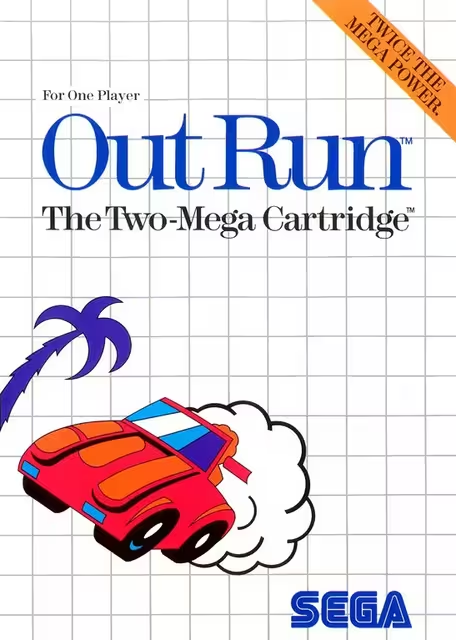
Out Run
MK-7003-50
वीडियो गेम संग्रह
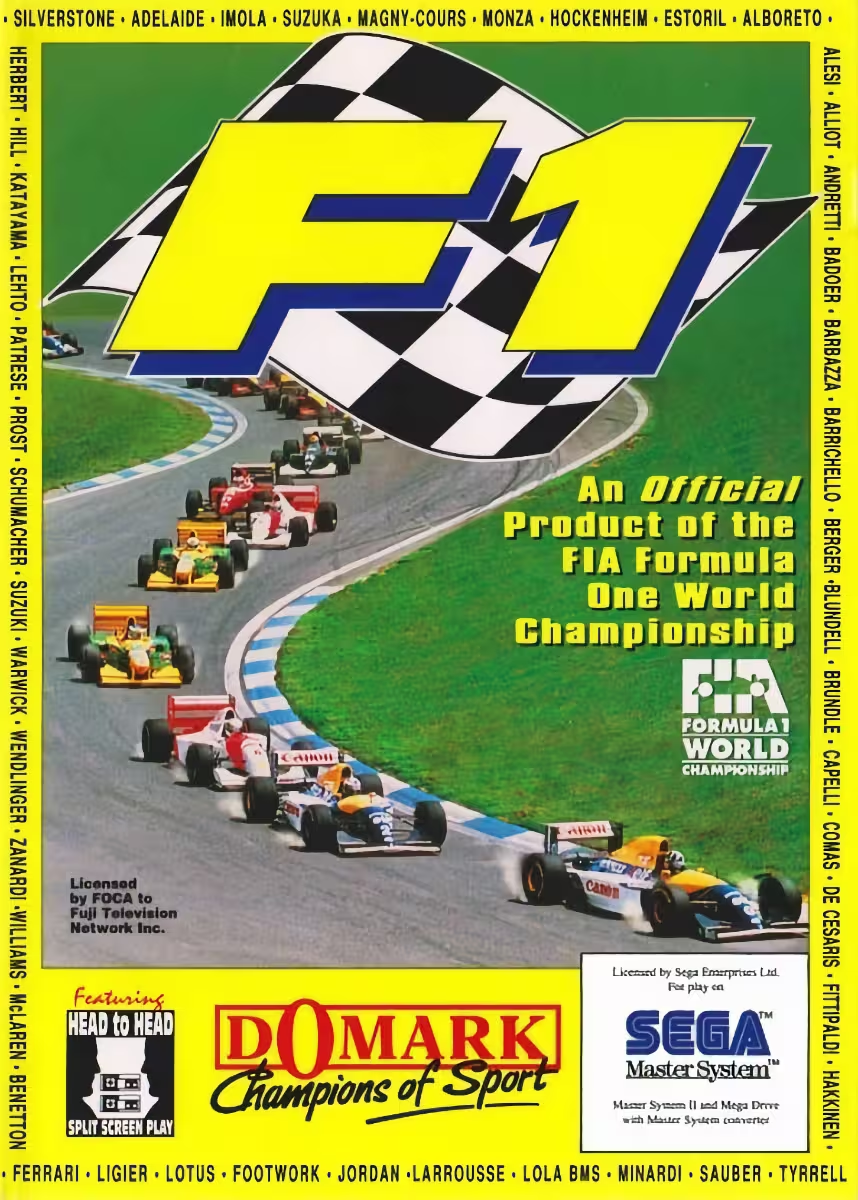
मास्टर सिस्टम के लिए एक तकनीकी रूप से महत्वाकांक्षी रेसिंग गेम, जो आधिकारिक 1993 फॉर्मूला वन सीज़न को सिम्युलेट करने के लिए एक पोर्ट किए गए हाई-स्पीड इंजन का उपयोग करता है। यह कंसोल के अंतिम दौर का टाइटल है, जो स्यूडो-3D परिप्रेक्ष्य, जटिल कार कस्टमाइजेशन और एक दुर्लभ, कार्यात्मक स्प्लिट-स्क्रीन मल्टीप्लेयर मोड के साथ 8-बिट हार्डवेयर को उसकी चरम सीमाओं तक ले जाता है।
F1 को मास्टर सिस्टम पर तकनीकी रूप से सबसे प्रभावशाली रेसिंग गेम्स में से एक माना जाता है। इसका मुख्य आर्किटेक्चर और हाई-स्पीड इंजन लैंखोर (Lankhor) के 16-बिट ओरिजिनल से लिया गया था, जो उनके पहले के एमिगा (Amiga) टाइटल Vroom पर आधारित था। यह 1993 के फॉर्मूला वन सीज़न का एक यथार्थवादी सिम्युलेशन प्रदान करता है, जिसमें उस युग की आधिकारिक टीमें, ड्राइवर और ट्रैक शामिल हैं। उस समय के कई आर्केड-शैली के रेसर्स के विपरीत, F1 ने ‘सिम-लाइट’ दृष्टिकोण अपनाया, जिसमें खिलाड़ियों को सामान्य रेसर्स की तुलना में गियर शिफ्ट और तीखे मोड़ों पर अधिक सटीकता के साथ गाड़ी चलाने की आवश्यकता होती थी।
यह गेम अपने स्यूडो-3D इंजन के लिए सबसे अधिक जाना जाता है, जिसने गहराई और अत्यधिक गति का अनुभव कराने के लिए चतुर स्प्राइट स्केलिंग का उपयोग किया। पुराने हो रहे Z80 प्रोसेसर पर उच्च फ्रेम रेट बनाए रखने के लिए, टेक (Teque) ने लेटरबॉक्स फ्रेमिंग का उपयोग किया, जिसने ट्रैक और सामने से आने वाली कारों को रेंडर करने के लिए कंसोल की शक्ति को केंद्रित करने हेतु वर्टिकल गेमप्ले विंडो को छोटा कर दिया। इसने सुचारू और तेज़ गति वाली हलचल को संभव बनाया जो कई शुरुआती 16-बिट रेसिंग गेम्स को टक्कर देती थी। मास्टर सिस्टम वर्ज़न रोड प्रोजेक्शन को एक स्थिर दर पर अपडेट करता है, यही कारण है कि हार्डवेयर पर अत्यधिक दबाव होने के बावजूद गति का अहसास बहुत सुचारू रहता है। सीमित हार्डवेयर के बावजूद, गेम में कई तकनीकी परतें शामिल थीं, जैसे कि एडजस्टेबल विंग एंगल और टायर कंपाउंड्स, साथ ही इंटरएक्टिव पिट स्टॉप जहाँ खिलाड़ी टायर बदलने और ईंधन भरने के लिए क्रू को मैन्युअल रूप से नियंत्रित करते थे। पिट स्टॉप मिनीगेम सीधे Vroom से लिया गया था और यह कंसोल पर इंटरएक्टिव पिट क्रू के सबसे शुरुआती उदाहरणों में से एक है।
रिलीज़ होने पर, F1 को गेमिंग प्रेस से बहुत प्रशंसा मिली और इसे अक्सर मास्टर सिस्टम के लिए सबसे बेहतरीन रेसिंग अनुभव माना गया। समीक्षकों ने विशेष रूप से इसकी गति और फंक्शनल स्प्लिट-स्क्रीन टू-प्लेयर मोड की सराहना की, जिसे कई लोग हार्डवेयर के लिए बिना किसी महत्वपूर्ण स्लोडाउन के असंभव मानते थे। हालाँकि कुछ ने रेस के दौरान बैकग्राउंड म्यूजिक की कमी और सिम हैंडलिंग की कठिनाई की आलोचना की, लेकिन तत्कालीन स्कोर अत्यधिक सकारात्मक थे, और कई यूरोपीय तथा ऑस्ट्रेलियाई पत्रिकाओं ने इसे 80-90% की रेंज में रेटिंग दी थी। पीछे मुड़कर देखें तो यह एक ‘स्वान सॉन्ग’ टाइटल है जिसने यह प्रदर्शित किया कि अपने अंतिम वर्षों में इस कंसोल से कितनी अधिक शक्ति निचोड़ी जा सकती थी।
| आइटम नाम |
|
|---|---|
| आइटम कोड |
|
| आइटम नंबर |
|
| श्रृंखला | |
| प्रकार | |
| शैली | |
| क्षेत्र | |
| क्षेत्रीय बिक्री | |
| पैकेजिंग | |
| दस्तावेज़ | |
| डेवलपर | |
| प्रकाशक | |
| मीडिया प्रकार | |
| खिलाड़ी | |
| रिलीज़ तिथि | |
| तारीख जोड़ी गई |
|