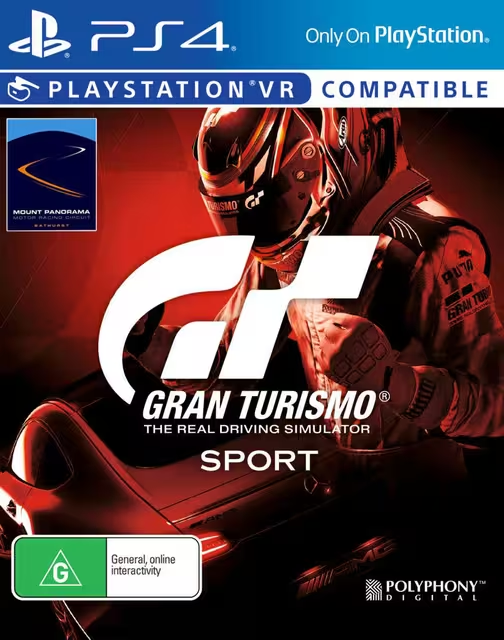
Gran Turismo Sport
CUSA-02168/ANZ
مجموعة ألعاب الفيديو

الإصدار التأسيسي لسلسلة “محاكاة القيادة الواقعية” التي أعادت تعريف نوع ألعاب السباقات عبر تحويل التركيز من إثارة ألعاب الأركيد إلى واقعية السيارات الدقيقة. تُعد اللعبة علامة فارقة لفيزياء التحكم الثورية وطور المهنة العميق الذي حوّل تجربة امتلاك السيارات الافتراضية إلى ظاهرة ثقافية.
وصلت لعبة Gran Turismo بعد دورة تطوير استغرقت خمس سنوات بقيادة كازونوري ياماوتشي وفريقه في شركة Polys Entertainment (التي أُعيد تأسيسها لاحقاً باسم Polyphony Digital). في وقت كانت فيه الألعاب المنافسة مثل Ridge Racer تركز على فيزياء ألعاب الأركيد التي تعتمد على الانجراف (Drift)، قدمت Gran Turismo محرك محاكاة ثورياً حيث كانت عوامل مثل تماسك الإطارات، وتوزيع الوزن، وهندسة نظام التعليق تحدد سلوك المركبة بشكل مباشر. هذا الالتزام بالواقعية كان مدعوماً بقدرات جهاز PlayStation، مستفيداً من نماذج ثلاثية الأبعاد عالية الدقة وتأثيرات إضاءة متقدمة لمحاكاة قائمة تضم 140 مركبة مرخصة. في اليابان، حقق هذا الإصدار نجاحاً تجارياً هائلاً، حيث بيع أكثر من مليون نسخة في شهره الأول، واضعاً معياراً جديداً للهيبة التقنية للجهاز.
يكمن جوهر التجربة في “طور Gran Turismo”، وهو محاكاة مهنية متطورة تتطلب من اللاعبين الحصول على رخص سباق متنوعة قبل التمكن من المنافسة في البطولات الاحترافية. بدءاً بمبلغ متواضع من الاعتمادات، يتم تعريف اللاعبين بسوق ثانوية واقعية للسيارات اليابانية المستعملة، مما يشجع على حلقة متكررة من السباقات، وجني الأرباح، والتعديلات الدقيقة. من تغيير الزيت وغسيل السيارات الأساسي إلى تعديلات نسب التروس المعقدة وتقليل الوزن، قدمت اللعبة مستوى من التعليم المتعلق بالسيارات لم يسبق له مثيل في هذا المجال. حوّل نظام التقدم هذا كل مركبة إلى مشروع شخصي، مما عزز علاقة عميقة بين اللاعب وكراجه، وهي السمة التي أصبحت علامة مسجلة للسلسلة.
بينما قام الجزء التالي، Gran Turismo 2، بتوسيع القائمة لاحقاً لتشمل حوالي 650 سيارة وإضافة سباقات الرالي، يظل الجزء الأول هو الأكثر تماسكاً وتركيزاً من الناحية التقنية. لقد دفع GT2 أجهزة PlayStation إلى أقصى حدودها، مما أدى إلى إصدار بقرصين كان أكثر طموحاً ولكنه عانى من ثغرات ملحوظة واستعجال في الإنتاج. على النقيض من ذلك، كان الإصدار الأصلي معياراً للاستقرار والتصميم المحكم، حيث ضم مسارات خيالية أيقونية مثل High Speed Ring وTrial Mountain التي ظلت ركائز أساسية للسلسلة لعقود. إنها تمثل لحظة محورية نجحت فيها منصة منزلية في انتزاع تاج المحاكاة من سوق أجهزة الكمبيوتر المتطورة، مما غير مسار تطوير ألعاب السباقات إلى الأبد.
| اسم العنصر |
|
|---|---|
| الاسم الأصلي |
|
| رمز العنصر |
|
| رقم العنصر |
|
| الكمية |
|
| سلسلة | |
| النوع | |
| النوع الأدبي | |
| المنطقة | |
| الإقليم | |
| التغليف | |
| التوثيق | |
| المطور | |
| الناشر | |
| الوسائط | |
| عدد اللاعبين | |
| الأجهزة الطرفية | |
| تاريخ الإصدار | |
| تاريخ الإضافة |
|