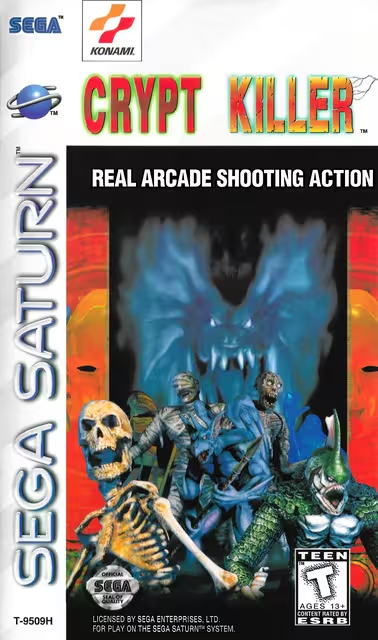
Crypt Killer
T-9509H
Bộ Sưu Tập Trò Chơi Điện Tử


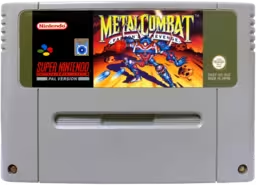 Game Cartridge
 Screengameplay
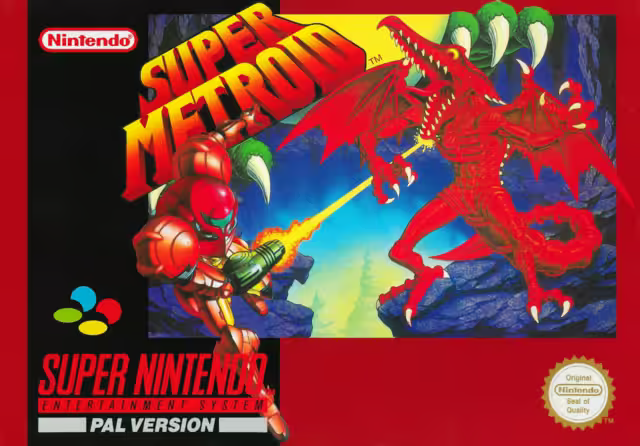
Trải nghiệm Super Scope đỉnh cao kết hợp lối chơi chiến đấu mecha đối kháng chiến thuật, chip nâng cấp OBC-1 cùng chế độ chơi đa người bất đối xứng hiếm có.
Metal Combat: Falcon’s Revenge là tựa game bắn súng quang học nâng cao, đóng vai trò là phần tiếp theo trực tiếp của Battle Clash (1992), được phát triển bởi cùng một nhóm tại bộ phận Nintendo R&D1. Tựa game này được phát hành độc quyền tại các thị trường phương Tây (Bắc Mỹ và Châu Âu) và không được ra mắt tại Nhật Bản do sự phổ biến hạn chế của thiết bị ngoại vi Super Scope ở khu vực đó.
Trò chơi mang đến những trận đấu đối kháng tương lai căng thẳng giữa các cỗ máy robot khổng lồ được gọi là Standing Tanks (ST). Lấy bối cảnh ba năm sau phiên bản đầu tiên, bạn sẽ vào vai pháo thủ hỗ trợ phi công Mike Anderson trên chiến xa ST Falcon, với nhiệm vụ bảo vệ Trái Đất trước sự trở lại của Hoàng đế Anubis cùng một chủng tộc người ngoài hành tinh xâm lược mới. Trải nghiệm game được định hình bởi lối chơi chiến thuật chuyên sâu; người chơi phải xác định và tấn công vào các điểm yếu cụ thể trên cơ thể robot địch như chi, vũ khí hoặc lớp giáp để vô hiệu hóa và gây sát thương tối đa. Khác với nhiều trò chơi bắn súng tuyến tính cùng thời, tựa game khuyến khích nhịp độ chiến thuật bao gồm việc chặn đạn bằng hỏa lực nhanh trong khi chờ thanh năng lượng hồi phục để tung ra các đòn tấn công hủy diệt.
Tác phẩm giới thiệu nhiều cải tiến quan trọng so với người tiền nhiệm. Một bổ sung lớn là hệ thống sạc ba cấp cho vũ khí chính, đạt đỉnh điểm với kỹ năng ‘Treble Shot’ có sức công phá khủng khiếp. Game cũng mang đến chiếc ST thứ hai có thể mở khóa là Tornado, sở hữu tốc độ và khả năng bắn tia năng lượng nhanh hơn so với sự tập trung vào phòng thủ của Falcon. Một điểm khác biệt hiếm thấy ở các tựa game Super Scope là sự hỗ trợ chế độ nhiều người chơi, cho phép một người sử dụng Super Scope trong khi người thứ hai dùng tay cầm SNES tiêu chuẩn để điều khiển trùm robot, biến trò chơi thành một trải nghiệm đối kháng bất đối xứng độc đáo. Metal Combat là tựa game SNES duy nhất sử dụng chip OBC-1, cho phép xử lý các mô hình mecha lớn, chi tiết và chuyển động mượt mà với độ trễ hoặc nhấp nháy tối thiểu. Nền tảng kỹ thuật còn được hỗ trợ bởi hệ thống pin lưu trữ để ghi lại bảng xếp hạng và tiến trình, cùng phần âm thanh và hình ảnh tinh tế được thực hiện bởi Yuka Tsujiyoko, nhà soạn nhạc danh tiếng của dòng game Fire Emblem.
Vào thời điểm ra mắt, trò chơi được ca ngợi là đỉnh cao của thiết bị Super Scope, với các nhà phê bình tán dương chiều sâu chiến thuật, thiết kế trùm ấn tượng và sự mới lạ của chế độ hai người chơi. Các đánh giá trên tạp chí Nintendo Power và Electronic Gaming Monthly ghi nhận rằng tựa game đã đưa thể loại ‘bắn súng quang học’ vượt xa việc bắn mục tiêu đơn thuần để tiến gần đến một tựa game đối kháng góc nhìn thứ nhất. Ngày nay, đây được coi là một tác phẩm kinh điển sùng bái và có lẽ là sự tận dụng tinh vi nhất công nghệ bắn súng 16-bit của Nintendo, minh chứng cho thời kỳ đỉnh cao sáng tạo của Intelligent Systems khi thử nghiệm với các phụ kiện ngoại vi độc lạ. Tựa game được phát hành tại Úc vào cuối năm 1994 sau khi được xếp hạng vào ngày 5 tháng 9 năm 1994.
| Tên Sản Phẩm |
|
|---|---|
| Mã Sản Phẩm |
|
| Mã Vạch |
|
| Loại | |
| Thể Loại | |
| Khu Vực | |
| Lãnh Thổ | |
| Bao Bì | |
| Tài Liệu | |
| Nhà Phát Triển | |
| Nhà Phát Hành | |
| Nhà Phân Phối | |
| Định Dạng | |
| Số Người Chơi | |
| Thiết Bị Ngoại Vi | |
| Ngày Phát Hành | |
| Ngày Thêm Vào |
|