F-16 Fighter
MK-4581-50
مجموعة ألعاب الفيديو


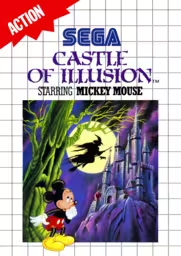 Front Cover
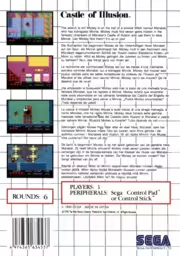 Back Cover
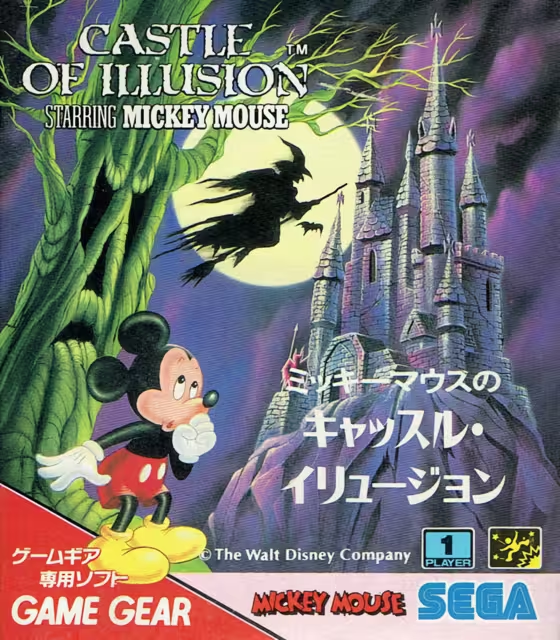
لعبة منصات 8-بت نابضة بالحياة ومبتكرة بشكل ملحوظ، تُذكر لخروجها من ظل شقيقتها ذات الـ 16-بت لتقدم مغامرة فريدة تماماً غنية بالألغاز. رحلة عبر عوالم مسحورة حيث يواجه ميكي الأوهام والأعداء السحريين، وتمزج بين التصميم الخيالي وموضوعات الشجاعة والخيال وانتصار العجائب على الخوف.
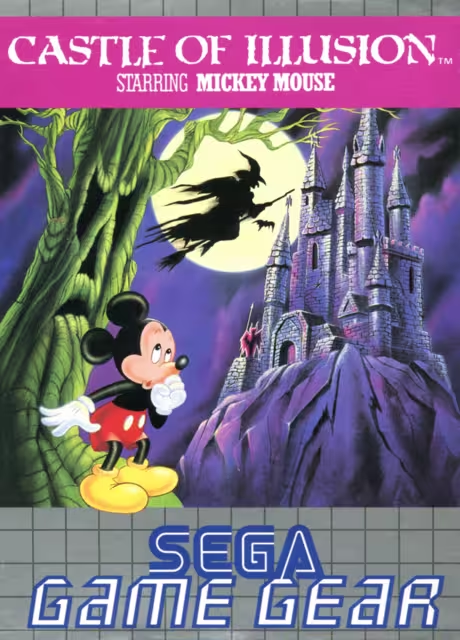
مثلت لعبة Castle of Illusion Starring Mickey Mouse استغلال سيجا الناجح لترخيص ديزني لإنشاء عنوان رئيسي لمنصة Master System في أواخر عام 1990. على الرغم من مشاركتها الاسم وغلاف اللعبة مع إصدار Mega Drive الشهير، إلا أن نسخة الـ 8-بت ليست مجرد نسخة مصغرة؛ بل هي لعبة أصلية تماماً بُنيت خصيصاً لهذه الأجهزة. إنها تجسد حقبة زمنية من تطوير سيجا الداخلي حيث حظيت ألعاب الـ 8-بت المصاحبة بحرية إبداعية لاستكشاف آليات وتصاميم مراحل مختلفة تماماً. يركز توجه تصميمها على الإيقاع المتعمد وحل الألغاز الخفيفة بدلاً من الاعتماد الكلي على سرعة البديهة في منصات الـ 16-بت.
تتمحور تجربة اللعب حول التنقل عبر سلسلة من الأبواب ذات الطابع الخاص داخل قلعة الساحرة ميزرابيل لإنقاذ ميني ماوس. وخلافاً لإصدار Mega Drive الذي اعتمد بكثافة على هجوم القفز الخاص بميكي، تتميز نسخة 8-بت بآلية حمل الأشياء؛ إذ يجب على اللاعبين التقاط ورمي الصناديق والبراميل والحجارة لهزيمة الأعداء أو تكديسها للوصول إلى منصات مرتفعة، مما يضيف طبقة مميزة من ألغاز المنصات إلى مسار اللعبة. علاوة على ذلك، تختلف سمات المراحل بشكل كبير؛ فبينما تتواجد الغابات وعالم الألعاب، تحتوي نسخة Master System على بيئات فريدة تماماً، أبرزها مرحلة الحلوى التي تغيب تماماً عن نسخة الـ 16-بت. كما تتبنى اللعبة نهجاً غير خطي في بعض المراحل، حيث يتطلب الأمر من اللاعبين البحث عن مفاتيح لفتح الأبواب بدلاً من مجرد التحرك من اليسار إلى اليمين.
يعكس التطوير براعة سيجا في التعامل مع عتاد Master System في أواخر دورة حياته. العرض المرئي للعبة مذهل؛ حيث الرسوميات كبيرة، ومتحركة ببراعة، وتستغل لوحة ألوان الجهاز الزاهية لتجسيد جمالية ديزني بشكل مثالي. نجحت اللعبة في عرض خلفيات معقدة وشخصيات متعددة مع حد أدنى من الوميض أو التباطؤ. ومع ذلك، واجه العنوان قيوداً تقنية طفيفة تتعلق باكتشاف التصادم (hit-detection)، والتي قد تبدو أحياناً غير متسامحة عند محاولة الهبوط الدقيق على منصات ضيقة ومتحركة. بالإضافة إلى ذلك، فإن غياب بطارية الحفظ يعني أن المهمة بأكملها يجب أن تكتمل في جلسة واحدة، على الرغم من أن نظام الاستمرارية السخي خفف من حدة الإحباط. تجدر الإشارة إلى أن إصدار Game Gear هو نفس اللعبة الرائعة ذات الـ 8-بت، لكن إصدار Master System يُعتبر عالمياً الطريقة الأفضل للعب نظراً لأن دقة الشاشة المحمولة الأقل تسبب قصاً في العرض، مما يمنعك من رؤية وجهتك بوضوح.
حازت Castle of Illusion على إشادة عالمية. أثنى نقاد المجلات على التنفيذ الذكي لآليات رمي الكتل والرسوميات الجميلة باستمرار، وغالباً ما ذكروها كواحدة من أفضل ألعاب المنصات على أي نظام 8-بت. كان الاستقبال قوياً بشكل هائل في منطقة PAL؛ ولأن Master System ظل قوة مهيمنة في أوروبا وأستراليا حتى أوائل التسعينيات، فإن جامعي ألعاب PAL غالباً ما ينظرون إلى هذه النسخة بتقدير أعلى من نسخة Mega Drive الأصلية. من منظور تاريخي، يُنظر إليها كعمل متقن في تصميم ألعاب 8-بت، وتُذكر لنجاحها في صياغة هويتها الخاصة وإثبات أن الإصدارات المصاحبة يمكن أن تنافس، بل وتتفوق في بعض الجوانب، على نظيراتها الأكبر ذات الـ 16-بت.
| اسم العنصر |
|
|---|---|
| الاسم الأصلي |
|
| رمز العنصر |
|
| رقم العنصر |
|
| سلسلة | |
| النوع | |
| النوع الأدبي | |
| الموضوع | |
| المنطقة | |
| الإقليم | |
| التغليف | |
| التوثيق | |
| المطور | |
| الناشر | |
| الوسائط | |
| عدد اللاعبين | |
| تاريخ الإصدار | |
| تاريخ الإضافة |
|