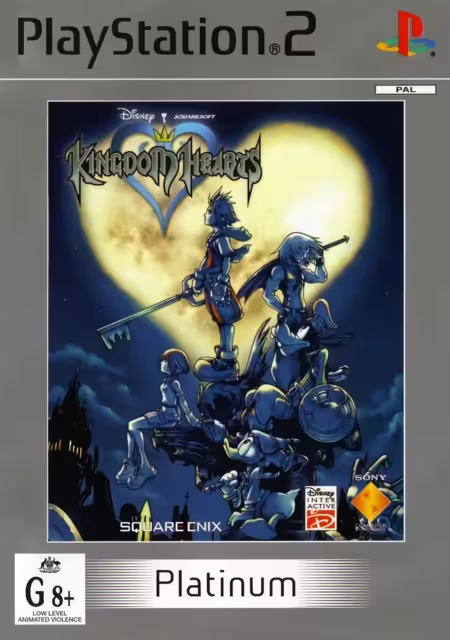
Kingdom Hearts (Platinum)
SCES-50967
مجموعة ألعاب الفيديو


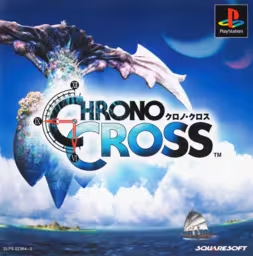 Front Cover
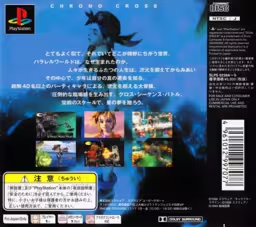 Back Cover
تمثل Chrono Cross ذروة الإبداع التقني والفني لشركة Square على جهاز PlayStation الأصلي، حيث تتميز بنظام قتال ‘العناصر’ المتطور، ومسارات سردية متشعبة، وموسيقى تصويرية صوتية لا تزال معياراً ذهبياً في هذا النوع من الألعاب. ورغم اختلافها الجذري عن ميكانيكيات Chrono Trigger، إلا أنها استغلت قوة جهاز PlayStation لتقديم عالم كثيف ومذهل بصرياً.
تُعد لعبة Chrono Cross جوهرة ألعاب تقمص الأدوار (RPG) ذات الميزانية الضخمة التي طورتها شركة Square لتكون الوريث الروحي للعبة Chrono Trigger التي صدرت عام 1995 على جهاز Super Famicom. من إخراج المبدع ماساتو كاتو، وبموسيقى تصويرية ساحرة من تأليف ياسونوري ميتسودا، تغوص بنا اللعبة في سرد قصصي معقد يرتكز على الأبعاد المتوازية، وتحديداً ‘العالم الأصلي’ و’العالم الآخر’. تدور الحبكة حول البطل سيرج، الذي يجد نفسه فجأة في واقع بديل اكتشف فيه أنه مات منذ عشر سنوات وهو لا يزال طفلاً. تتميز اللعبة بقائمة ضخمة من الشخصيات القابلة للعب تتجاوز 40 شخصية، وتتخلى عن ميكانيكيات السفر عبر الزمن التقليدية في الجزء السابق لصالح نظام ‘التنقل بين الأبعاد’.
صدرت Chrono Cross في ذروة القدرات التقنية لجهاز PlayStation، وغالباً ما يُشار إليها كواحدة من أكثر الألعاب إبهاراً من الناحية البصرية على هذا الجهاز. فهي تستخدم مزيجاً من الخلفيات مسبقة العرض فائقة التفاصيل ونماذج شخصيات ثلاثية الأبعاد ذات مضلعات عالية، مما منحها سلاسة في التحريك لم يُرَ لها مثيل في ألعاب تلك الحقبة. كما ابتعد التصميم الفني عن طابع الـ Steampunk والـ Cyberpunk السائد في ألعاب Square في أواخر التسعينيات، ليتبنى لوحة ألوان استوائية نابضة بالحياة مستوحاة من بيئات البحر الأبيض المتوسط والكاريبي. كما يدعم محرك اللعبة الانتقال السلس بين الاستكشاف والقتال، مما أدى عملياً إلى القضاء على شاشات التحميل المزعجة التي كانت تسبق المعارك في ألعاب 32-بت الأخرى.
يتخلى نظام القتال في Chrono Cross عن نقاط السحر (MP) التقليدية والاشتباكات العشوائية لصالح نظام الأعداء المرئيين وشبكة ‘العناصر’ الفريدة. كل تعويذة أو أداة أو قدرة خاصة تُصنف كـ ‘عنصر’ بلون معين (أحمر، أزرق، أصفر، أخضر، أبيض، أو أسود) يتوافق مع نقاط القوة والضعف العنصرية. يجب على اللاعبين إدارة شريط ‘القدرة على التحمل’ (Stamina) لتنفيذ هجمات متفاوتة الدقة والقوة، والتي بدورها تتيح لهم إلقاء العناصر من الشبكة المجهزة مسبقاً. وتكمن الاستراتيجية العميقة في ‘تأثير الميدان’ (Field Effect)، وهو مؤشر ملون يتتبع آخر ثلاثة عناصر استُخدمت في المعركة؛ حيث يؤدي ملء هذا التأثير بلون واحد إلى تعزيز قوة ذلك العنصر بشكل كبير وتمكين اللاعب من استخدام ‘الاستدعاءات’ القوية.
لاقت Chrono Cross استحساناً نقدياً كبيراً، ووضعها النقاد في مصاف ألعاب الـ JRPG النخبوية في عصرها بجانب عناوين مثل Vagrant Story ولعبة Final Fantasy IX. تجارياً، حققت اللعبة نجاحاً باهراً في اليابان، حيث شحنت حوالي 850 ألف نسخة محلياً. ورغم هذا النجاح، ظلت اللعبة مثيرة للجدل بين قاعدة معجبي Chrono Trigger؛ فبينما نالت الإشادة لسردها التجريبي وحرية الاستكشاف، تعرضت للانتقاد بسبب التخلي عن ميكانيكيات السفر عبر الزمن والافتقار الملحوظ لتطوير الشخصيات في ظل هذا العدد الكبير منها. ومع مرور الوقت، تقبل الجمهور الياباني اللعبة كتحفة فنية مستقلة بحد ذاتها، وغالباً ما يُشاد بها لامتلاكها واحدة من أعظم الموسيقى التصويرية تقنياً وفنياً في مكتبة PlayStation.
| اسم العنصر |
|
|---|---|
| الاسم الأصلي |
|
| رمز العنصر |
|
| رقم العنصر |
|
| النوع | |
| النوع الأدبي | |
| المنطقة | |
| الإقليم | |
| التغليف | |
| التوثيق | |
| المطور | |
| الناشر | |
| الوسائط | |
| عدد اللاعبين | |
| الأجهزة الطرفية | |
| أنماط الصوت | |
| سعر الإطلاق |
|
| تاريخ الإصدار | |
| تاريخ الإضافة |
|
| روابط خارجية |
|