Super Mario Galaxy 2
RVL-SB4J-JPN
Коллекция видеоигр


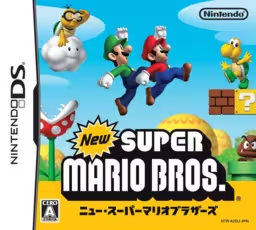 Front Cover
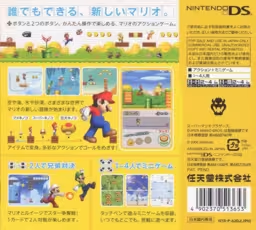 Back Cover
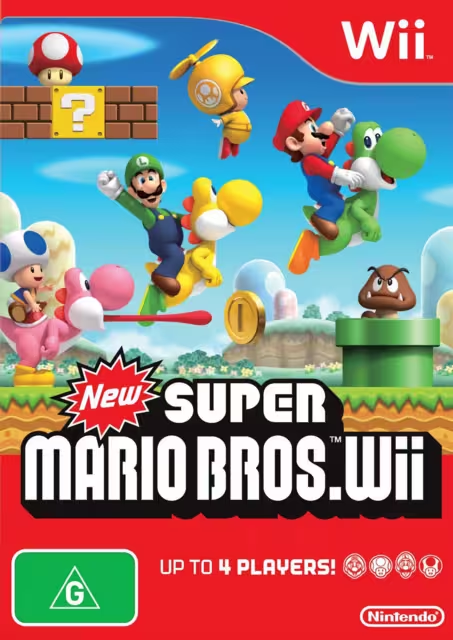
Двухмерный платформер, возродивший классическую формулу Марио благодаря современному визуальному стилю, новым бонусам и восьми десяткам уровней в духе традиционного «беги и прыгай».
New Super Mario Bros. ознаменовала триумфальное возвращение классического двухмерного платформера после десятилетия доминирования трехмерных игр. Проект представил стиль 2.5D, где полигональные персонажи и объекты взаимодействуют в двухмерной плоскости, сочетая знакомую формулу игрового процесса с современным визуальным исполнением и филигранной точностью управления, свойственной серии. Игрокам предстоит провести Марио (или Луиджи в альтернативном режиме) через восемь тематических миров, каждый из которых наполнен множеством уровней, секретными выходами и схватками с боссами.
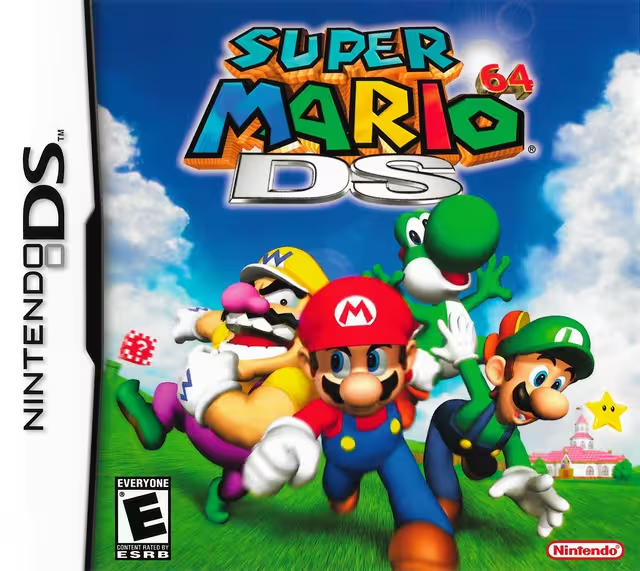
Структура игры отсылает к оригинальным частям Super Mario Bros., где карта мира объединяет уровни, а крепости служат вехами в конце каждого региона. Наряду с классическими усилениями, такими как Супергриб, Огненный цветок и Звезда, игра ввела механики, ставшие неотъемлемой частью серии. Мегагриб позволяет Марио увеличиться до колоссальных размеров, чтобы сокрушать преграды и врагов, а Минигриб — уменьшиться для доступа к скрытым проходам и выполнения длинных прыжков. Впервые в рамках 2D-геймплея были реализованы приемы из трехмерных игр: прыжок от стены, удар по земле и тройной прыжок. Помимо основного приключения, игра включает соревновательный режим для двух игроков, где Марио и Луиджи сражаются за звезды на компактных аренах, а также набор мини-игр для сенсорного экрана, перенесенных из Super Mario 64 DS.
Игра получила высокие оценки за удачный баланс ностальгии и инноваций. Несмотря на критику за умеренную сложность, проект стал главным катализатором возрождения интереса к двухмерным платформерам и заложил основу для целой подсерии. Коммерческий успех был колоссальным: тираж превысил тридцать миллионов копий, сделав игру самым продаваемым тайтлом на платформе. Популярность New Super Mario Bros. привела к созданию сиквелов на Wii, 3DS, Wii U и Switch. В ретроспективе это произведение воспринимается как мост между простотой 8-битной классики и требованиями современного игрока, прочно закрепивший свое место в истории франшизы.
| Название товара |
|
|---|---|
| Оригинальное название |
|
| Код товара |
|
| Артикул |
|
| Серия | |
| Тип | |
| Жанр | |
| Территория | |
| Упаковка | |
| Документация | |
| Разработчик | |
| Издатель | |
| Медиа | |
| Игроки | |
| Классификация | |
| Рекомендованная цена |
|
| Дата выпуска | |
| Дата добавления |
|
| Внешние ссылки |
|