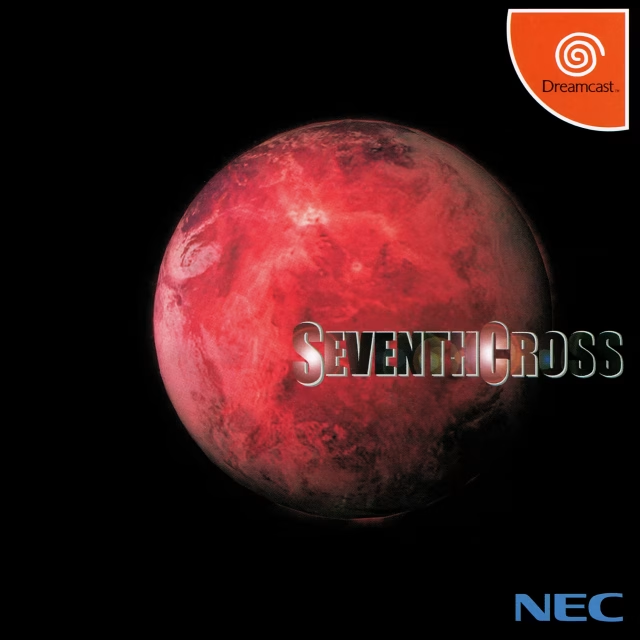
Seventh Cross
T-38802M
वीडियो गेम संग्रह

ड्रीमकास्ट कंसोल से पेरिफेरल्स को जोड़ने के लिए जेनेरिक एक्सटेंशन केबल। इन्हें आमतौर पर बिना पैकेजिंग के बल्क में बेचा जाता था।
ये Controller Extension Cable ड्रीमकास्ट के वायर्ड पेरिफेरल्स की पहुंच को उनके मालिकाना 6-पिन कनेक्टर के जरिए बढ़ाते हैं। सेगा ड्रीमकास्ट कंट्रोलर कंसोल के साथ संचार करने के लिए Maple Bus (या Maple Protocol) नामक एक कस्टम सीरियल संचार प्रोटोकॉल का उपयोग करता है। इसे विशेष रूप से ड्रीमकास्ट के लिए बनाया गया था और यह कंट्रोलर के साथ-साथ Visual Memory, vibration packs, और keyboards जैसे विभिन्न पेरिफेरल्स को सपोर्ट करता है। Maple Bus कंट्रोलर के एक्सपेंशन पोर्ट्स के माध्यम से कई उपकरणों को डेज़ी-चेन फैशन में जोड़ने की अनुमति देता है। यह हाफ-डुप्लेक्स सीरियल इंटरफेस का उपयोग करता है, जिसका अर्थ है कि डेटा का आदान-प्रदान एक ही वायर पर होता है, लेकिन एक साथ नहीं।
भौतिक रूप से, सिग्नलिंग को कंट्रोलर पर एक 6-पिन कनेक्टर द्वारा नियंत्रित किया जाता है, जिसमें एक वायर द्वि-दिशात्मक डेटा (DATA) के लिए, अन्य बिजली (5V और GND), अटेंशन सिग्नल (ATT), और संभवतः एक क्लॉक सिग्नल के लिए उपयोग किए जाते हैं, हालाँकि प्रोटोकॉल मुख्य रूप से एसिंक्रोनस है। इसमें कंसोल कमांड भेजता है और कंट्रोलर या एक्सेसरी जवाब देता है। बस पर प्रत्येक डिवाइस का एक एड्रेस होता है और कंसोल बस मास्टर के रूप में कार्य करता है। अपनी सादगी के बावजूद, Maple Bus इनपुट पोलिंग, मेमोरी कार्ड एक्सेस, और कम लेटेंसी वाले फोर्स फीडबैक कमांड के लिए बेहद प्रभावी है।
उस समय, ये एक्सटेंशन केबल हाथ में रखना काफी उपयोगी होता था, भले ही आपको उनकी नियमित आवश्यकता न हो। आज कई आधुनिक रेट्रो वायरलेस इंटरफेस एक विकल्प के रूप में मौजूद हैं, लेकिन यदि आपका कंसोल कठिन स्थान पर है और आप किसी वायरलेस इंटरफेस को सुविधाजनक स्थिति में रखना चाहते हैं, तो ये केबल अब भी उपयोगी साबित हो सकते हैं।
| आइटम नाम |
|
|---|---|
| मात्रा |
|
| प्रकार | |
| वर्ग | |
| रंग | |
| रिलीज़ तिथि | |
| तारीख जोड़ी गई |
|