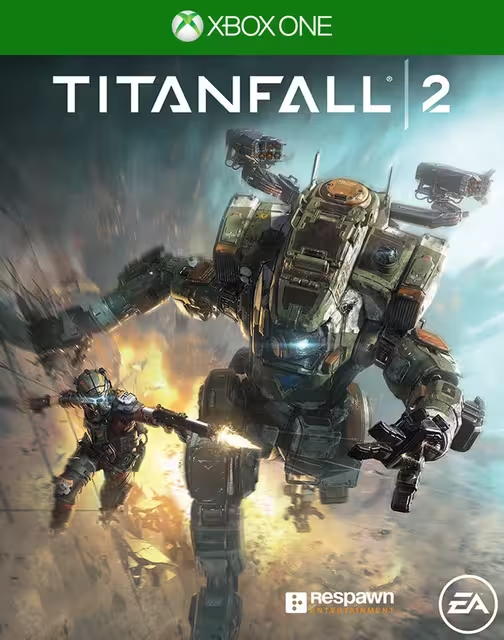
Titanfall 2
QH4-00421
Koleksi Video Game


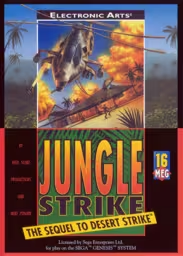 Front Cover
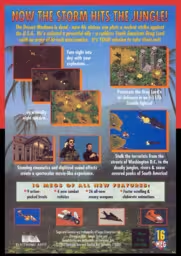 Back Cover
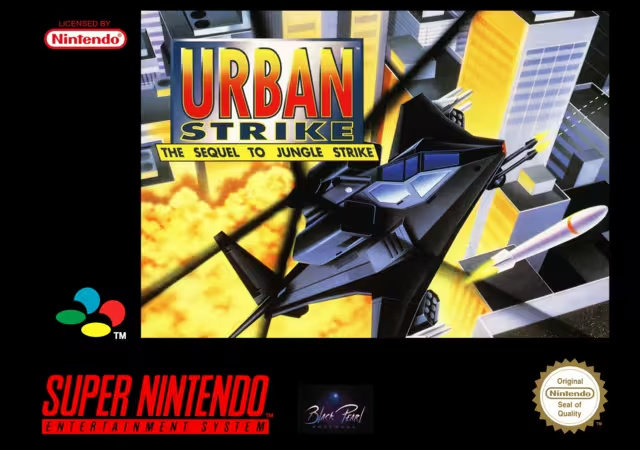
Sekuel yang ambisius dan disempurnakan secara teknis dari gim tembak-menembak berbasis helikopter. Dikenang karena gameplay multi-kendaraan, perpaduan aksi dan strategi, serta mesin isometrik canggih yang membawa perang sinematik ke era 16-bit. Unit ini merupakan rilisan NTSC yang didistribusikan secara resmi di Australia—sebuah praktik yang lumrah pada masanya karena tidak adanya proteksi wilayah dan persyaratan lokalisasi.
Jungle Strike hadir sebagai sekuel yang dinantikan dari Desert Strike: Return to the Gulf. Judul ini memperluas formula pendahulunya secara signifikan, berpindah dari lanskap gurun yang gersang ke lingkungan yang lebih kaya dan variatif di Amerika Selatan dan Utara. Gim ini tetap menjadi aset arsip definitif untuk konsol Mega Drive, mewakili puncak genre aksi-strategi isometrik 16-bit dan menampilkan kemampuan Electronic Arts dalam memadukan simulasi militer berisiko tinggi dengan gaya permainan arkade yang mudah diakses.
Pengalaman bermain disusun dalam serangkaian kampanye di mana pemain mengendalikan helikopter RAH-66 Comanche untuk melumpuhkan ancaman nuklir yang dipimpin oleh seorang gembong narkoba dan putra antagonis dari gim sebelumnya. Gim ini melangkah jauh dari inspirasi intinya yaitu Choplifter, dengan diperkenalkannya berbagai kendaraan yang bisa dikendalikan, mulai dari hovercraft, pesawat tempur siluman F-117 Nighthawk, hingga sepeda motor bersenjata. Variasi ini menuntut pendekatan perencanaan misi yang lebih kompleks karena setiap kendaraan memiliki kapasitas bahan bakar, tingkat perlindungan, dan beban senjata yang berbeda. Mekanisme winch juga ditingkatkan, memaksa pemain untuk menyelamatkan sandera dan menangkap komandan musuh guna mengumpulkan intelijen dan menyelesaikan misi yang bercabang.
Jungle Strike mendorong batas perangkat keras Mega Drive jauh melampaui pendahulunya dengan ubin lingkungan yang lebih detail dan animasi sprite yang lebih luwes. Untuk menjaga frame rate tetap stabil di tengah kompleksitas grafis yang meningkat, pengembang mengoptimalkan mesin “isometric scroll” agar mampu menangani berbagai target bergerak dan pemandangan yang dapat dihancurkan, menciptakan medan perang yang lebih dinamis. Gim ini menghadirkan musik latar sinematik yang kelam serta efek suara digital yang menirukan deru bilah rotor dan dentuman rudal Hellfire.
Penerimaan kritis terhadap gim ini sangat positif, banyak yang menyebutnya sebagai sekuel superior yang memperbaiki seluruh kekurangan dari gim pertama. Para kritikus memuji penambahan kendaraan baru dan variasi misi yang jauh lebih baik, mencatat bahwa peralihan ke lingkungan hutan dan urban—termasuk level ikonik di Washington, D.C.—membuat skala gim terasa jauh lebih luas. Tingkat kesulitan yang tinggi dan kedalaman strategis menjadikan gim ini favorit bagi pemilik Mega Drive yang menginginkan tantangan lebih. Meski kendali gim dianggap menuntut dan manajemen bahan bakar tetap terasa sangat menghukum, gim ini kini dipandang sebagai salah satu judul aksi 16-bit yang paling matang dan lengkap.
| Nama Item |
|
|---|---|
| Kode Item |
|
| Nomor Item |
|
| Seri | |
| Jenis | |
| Genre | |
| Wilayah | |
| Teritori | |
| Kemasan | |
| Dokumentasi | |
| Pengembang | |
| Penerbit | |
| Distributor | |
| Media | |
| Jumlah Pemain | |
| Tanggal Rilis | |
| Tanggal Ditambahkan |
|