Virtua Fighter
FSAT01SSS H/UNIT, MK81005-50
Videogame Collectie
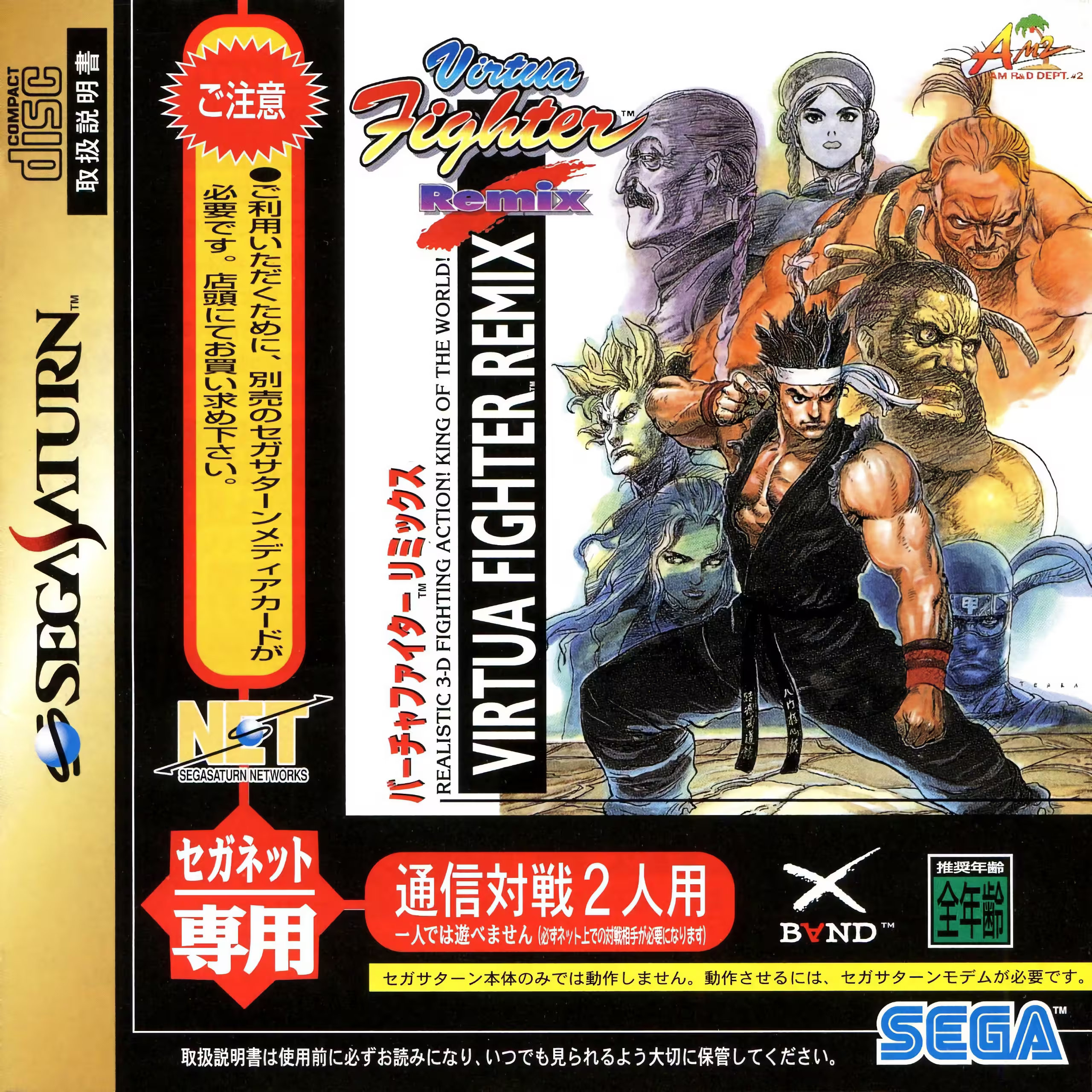
 Front Cover
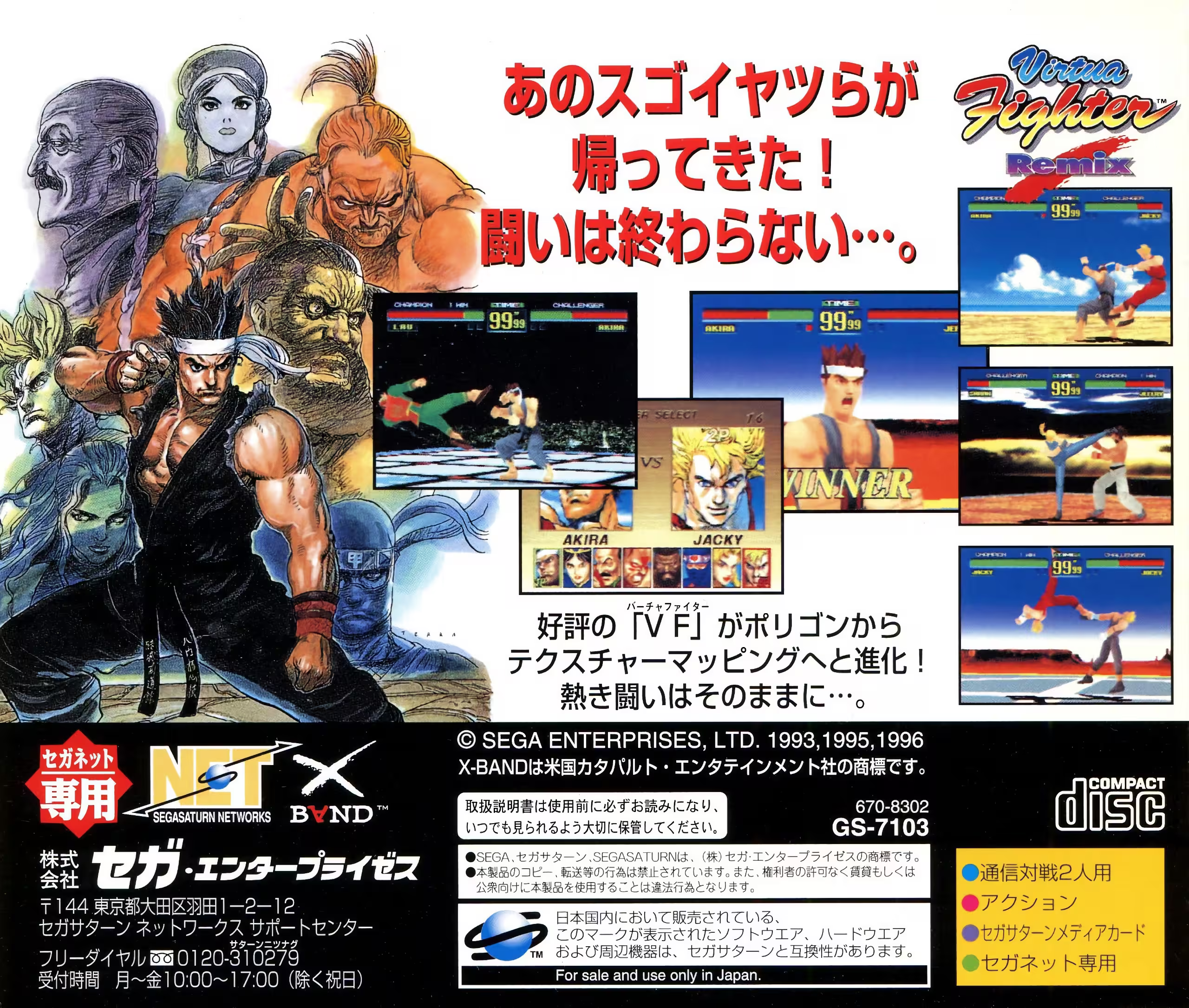
 Back Cover
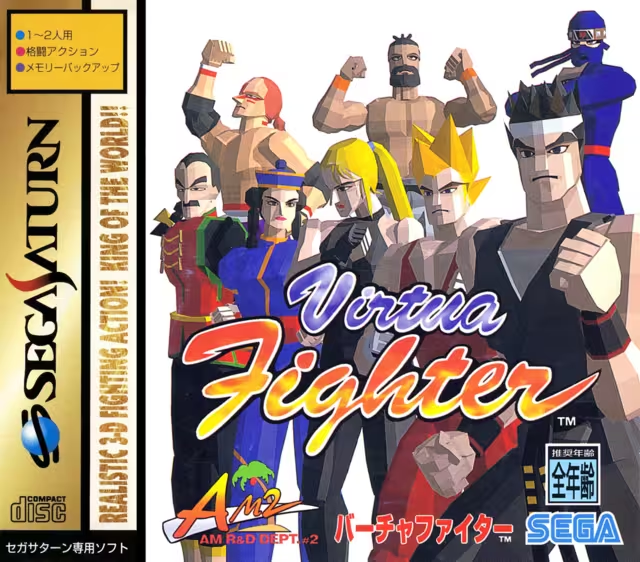
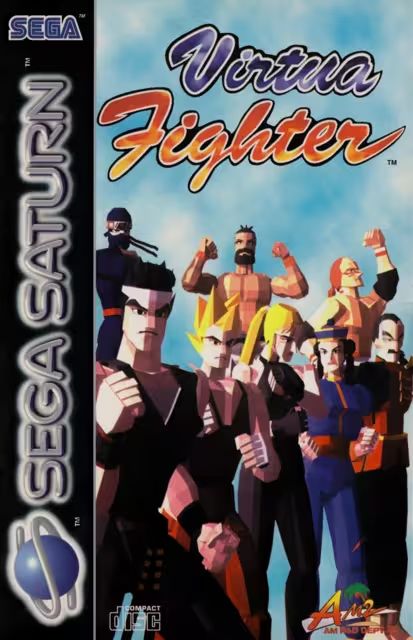
Een essentiële technische revisie van het serie-debuut die samenviel met de lancering van de Saturn. De flikkerende polygonen van de oorspronkelijke launch-titel werden vervangen door stabiele, getextureerde modellen, waarmee de 3D-capaciteiten van de console werden bewezen aan een sceptisch publiek.
Virtua Fighter Remix FOR SEGANET was Sega’s eerste online gaming-initiatief voor de Sega Saturn, voortbouwend op de reeds verfijnde ervaring van Virtua Fighter Remix. Deze versie introduceerde de revolutionaire mogelijkheid om via het Japanse telefoonnetwerk tegen rivalen te strijden in een tijd waarin het internet nog maar net de overstap naar het wereldwijde web maakte. Het verscheen als een cruciale ‘pack-in’-titel die Sega moest positioneren als leider in een genetwerkte toekomst.
De ervaring is een pure arcade-ervaring uit het midden van de jaren 90, vertaald naar de 14.4kbps inbel-realiteit van die periode. De sfeer behoudt de typische Sega-vibe uit de jaren 90 met helderblauwe luchten en een opzwepende synth-rock soundtrack, maar wordt gedefinieerd door de unieke “Net Battle”-modus. Mechanisch gezien is de game even strak als de standaard Remix, met verbeterde textures, stabiele framerates en de volledige bezetting van acht vechters, aangevuld met een specifiek netwerkmenu voor het beheer van inbelverbindingen en speler-handshakes. De mogelijkheid om tegen een menselijke tegenstander kilometers verderop te spelen was een transformatief hulpmiddel voor de competitieve community die tot dan toe gebonden was aan de game centers in Tokio.
Bij de lancering werd de ervaring vaak gehinderd door de beperkingen van de telecommunicatie uit de jaren 90, waarbij lijnruis en hoge latentie een precisievechtspel konden veranderen in een haperende, lag-gevoelige opgave. Bovendien maakten de hoge kosten van interlokale telefoongesprekken in Japan “Net Battles” tot een prijzige luxe voor de gemiddelde fan. Niettemin staat het vandaag de dag als een cruciaal moment in het 32-bit tijdperk, dat het exacte moment markeert waarop Sega de Saturn vestigde als het thuisfront van ‘s werelds eerste levensvatbare online 3D-vechtcommunity, ook al was de infrastructuur nog niet robuust genoeg om de visie volledig te dragen.
| Itemnaam |
|
|---|---|
| Oorspronkelijke naam |
|
| Itemcode |
|
| Itemnummer |
|
| Reeks | |
| Type | |
| Genre | |
| Kenmerken | |
| Regio | |
| Territorium | |
| Verpakking | |
| Documentatie | |
| Ontwikkelaar | |
| Uitgever | |
| Media | |
| Spelers | |
| Randapparatuur | |
| Classificatie | |
| Lancering prijs |
|
| Release datum | |
| Datum toegevoegd |
|