
Virtua Gun
MK-80311
Video Game Collection
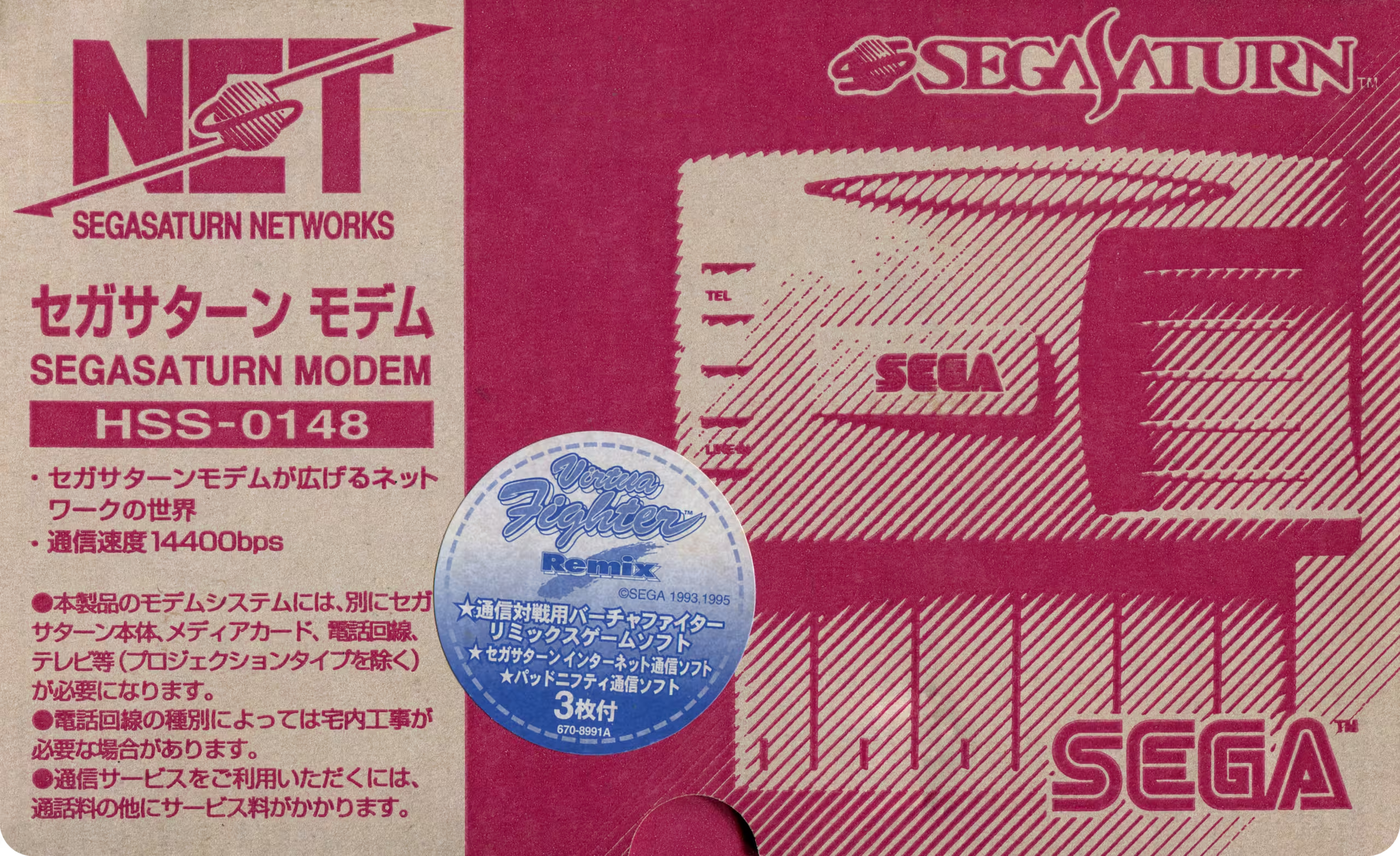
 Box Front
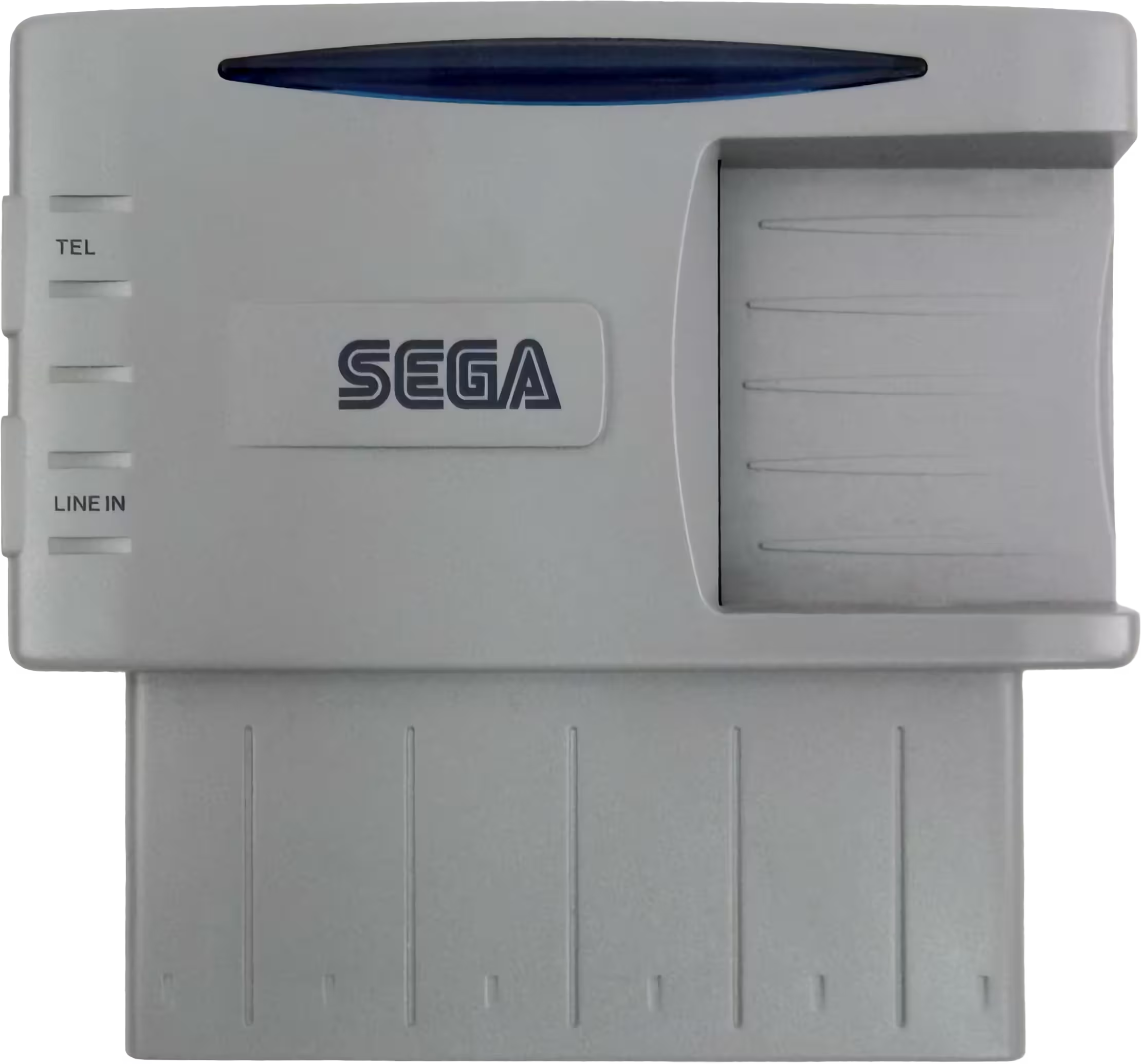
 Front
Front
A pioneering networking peripheral that transformed the Sega Saturn into a multi-functional internet terminal, providing both digital communication and competitive online play through Japan’s existing telecommunications infrastructure. It serves as a critical technical foundation for fully integrated online ecosystems of the later generations.
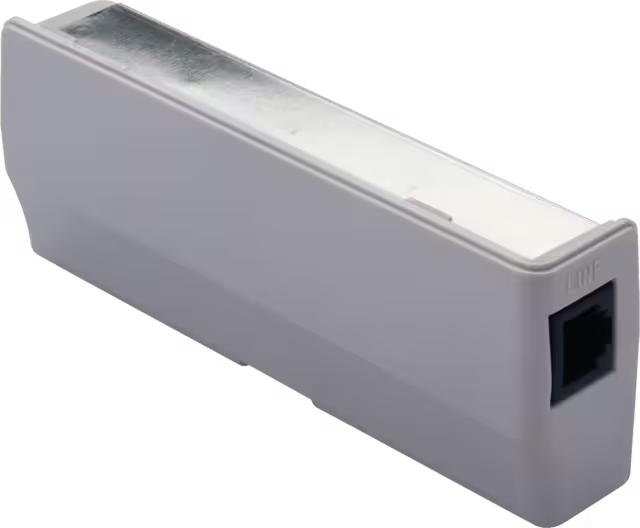
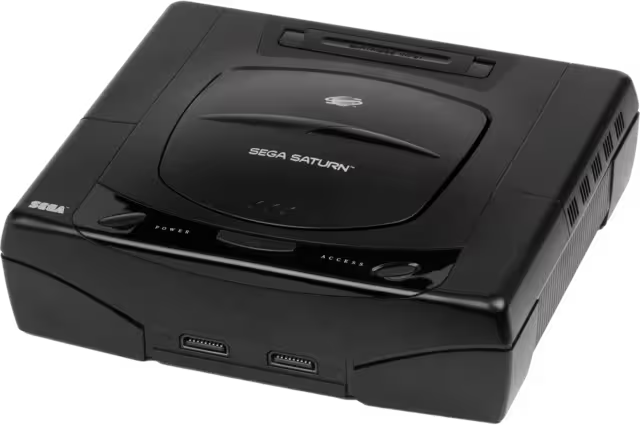
The Sega Saturn Modem is a 14.4kbit/s dial-up modem that interfaces directly with the console’s top-loading cartridge port. Unlike its Western counterpart, the NetLink, the Japanese variant features a distinctive physical housing that includes a dedicated slot for a smart card reader. This allowed users to utilise prepaid cards, known as Saturn Media Cards, to pay for online access and game credits, reflecting the specific consumer payment habits of the Japanese market in the mid-90s. While dial-up connectivity was nothing new to consoles in Japan (both the Famicom and Mega Drive featured modems), this was the first time a console manufacture implemented online gaming,
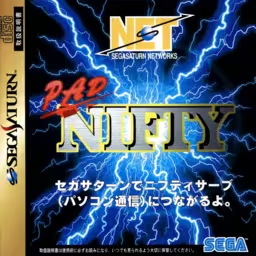
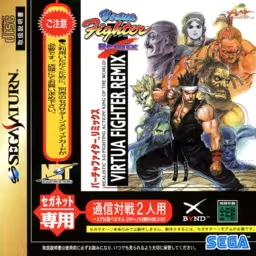
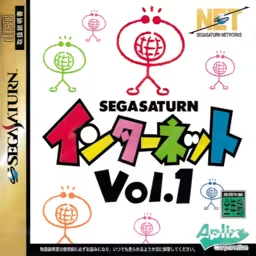
The library for the Japanese modem was significantly more robust than its international counterparts, with a number of specialised “for SegaNet” versions that were bundled with the hardware or sold as standalone technical updates. Starting with Virtua Fighter Remix, there were several major supported titles including Daytona USA, Saturn Bomberman, Puyo Puyo Sun, DecAthlete, and Virtual On. Further, the console featured a number of non-gaming utilities for Internet usage. Pad Nifty functioned as a terminal emulator for Fujitsu’s NIFTY-Serve (Japan’s largest online service at the time), Habitat II was a graphical virtual world where players could interact in a persistent digital space, and Sega Saturn Internet Vol 1 & 2 provided a web browser, noting the web was relatively was still new at the time.
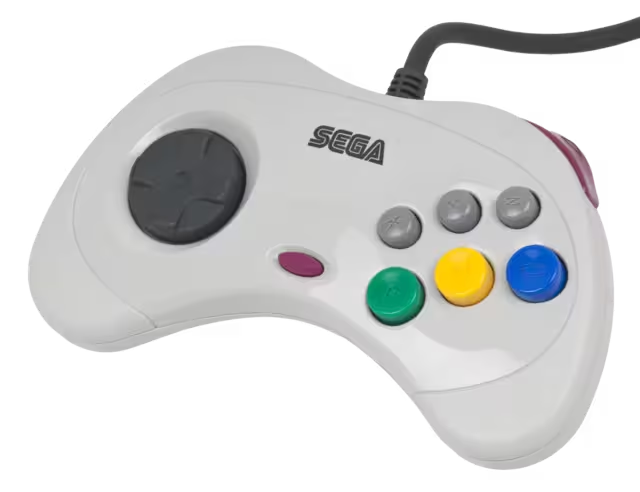
The modem was best utilised alongside a suite of productivity-focused peripherals that maximised its utility as a computer alternative. These included the Saturn Keyboard and Shuttle Mouse, essential for navigating the early World Wide Web and composing emails via the Sega Saturn Internet software. Additionally there was the Floppy Disk Drive (HSS-0128)that allowed users bypass the console’s limited internal memory and a Printer Cable Converter to enable the Saturn to interface with standard parallel printers to print out web pages or received messages.
The service on the Saturn acted as a massive laboratory for Sega’s future online strategy. It established the branding and the user-account infrastructure that would eventually be refined into the Dreamcast’s global SegaNet and Dricas services. The technical challenges overcome on the Saturn such as managing latency gaming and specialised web browsers help build the foundation for the Dreamcast. Retrospectively the Sega Saturn Modem was the start of the connected console, directly paving the way for the always online philosophy that defined the later generations.
| Item Name |
|
|---|---|
| Original Name |
|
| Item Code |
|
| Item Number |
|
| Type | |
| Class | |
| Region | |
| Territory | |
| Packaging | |
| Documentation | |
| Developer | |
| Manufacturer | |
| Classification | |
| Launch Price |
|
| Release Date | |
| Date Added |
|
| External Links |
|