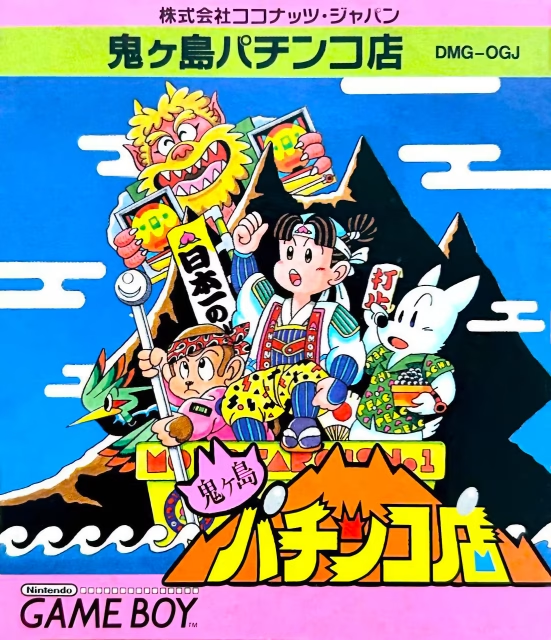
Onigashima Pachinko Ten
DMG-OGJ
Koleksi Permainan Video

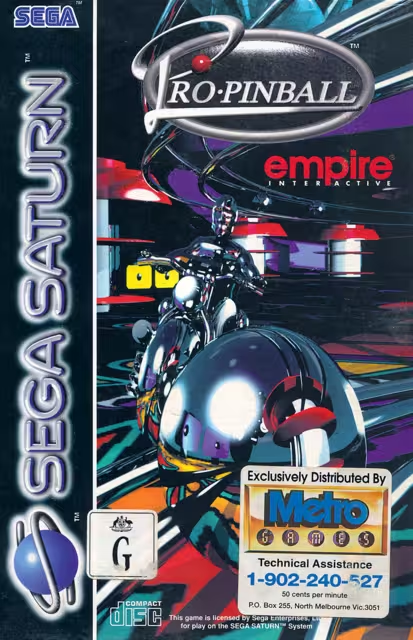
Simulasi pinball yang sofistikated dari segi teknikal yang berjaya membawa pedigri arena pinball Amiga ke generasi 32-bit. Ia dikenali kerana komitmen terhadap fizik realistik dan penggunaan mod paparan resolusi tinggi Saturn untuk meniru kejernihan meja pinball fizikal.
True Pinball merupakan evolusi konsol yang diperkemaskan daripada karya agung DICE di Amiga, Pinball Illusions. Tajuk ini dijenamakan semula untuk pasaran konsol bagi menekankan peralihannya ke arah persekitaran 3D yang realistik. Pada Saturn, permainan ini merupakan satu pencapaian teknikal yang ketara, memanfaatkan cip VDP2 perkakasan tersebut untuk menguruskan tatalan kompleks sambil menawarkan mod Resolusi Tinggi yang menolak paparan konsol kepada 640×480 yang tajam. Ini merupakan nilai jualan penting bagi pemilik Saturn, kerana kejernihan tambahan adalah penting untuk menjejaki pergerakan bola merentasi meja yang padat dan terperinci tanpa kekaburan yang tipikal pada tajuk 32-bit resolusi rendah.
Permainan ini menampilkan empat meja berbeza, setiap satunya dengan identiti tematik yang unik: Law ‘N Justice (latar polis futuristik yang kasar), Babewatch (parodi bertemakan pantai), Extreme Sports, dan Vikings: The Tales. Tidak seperti versi asal Amiga yang bersifat 2D sepenuhnya, True Pinball membolehkan pemain menukar antara paparan 2D pandangan atas klasik dan perspektif 3D yang condong sepenuhnya. Keasyikan ditingkatkan oleh runut bunyi kesetiaan tinggi yang menggunakan cip bunyi dalaman Saturn untuk menghasilkan audio berkualiti Redbook atmosfera yang berubah secara dinamik berdasarkan peristiwa di meja. Versi PAL ini amat menarik kerana pengoptimuman 50Hz-nya, dengan fizik bola yang kekal konsisten bagi mengekalkan rasa mekanikal berat yang menjadi kebanggaan DICE.
Permainan tertumpu pada penguasaan susun atur meja yang rumit dan pencetusan mod misi berbilang lapisan. Perkataan ‘True’ dalam tajuk merujuk kepada simulasi mekanik pinball dunia sebenar dalam permainan ini, termasuk putaran bola yang bernuansa, momentum realistik, dan Mod Wizard berisiko tinggi yang memerlukan penyempurnaan urutan pukulan tanjakan dan sasaran yang meletihkan. Walaupun simulasi fiziknya mungkin berada di belakang Pro Pinball, yang mengambil kira putaran bola kompleks, geseran yang pelbagai, dan lonjakan halus bola di atas tanjakan dawai, True Pinball tetap cemerlang. Ciri unik untuk era tersebut ialah permainan mini Mod Video: lencongan gaya arked kecil yang dimainkan pada paparan dot-matrix meja. Walaupun mempunyai kualiti teknikal, versi Saturn ini terkenal kerana tidak mempunyai ciri simpanan berbateri untuk skor tinggi, bermakna pemain perlu merekod pencapaian mereka secara manual atau membiarkan konsol terpasang. Ia adalah satu keunikan yang menambah lapisan kekecewaan era 90-an yang tulen bagi pemain moden.
Secara retrospektif, True Pinball dilihat sebagai salah satu pengalaman pinball utama di Saturn, sering dibandingkan secara positif dengan Digital Pinball: Last Gladiators. Walaupun versi PlayStation tiba serentak, keluaran Saturn sering menjadi pilihan penggemar kerana pengendalian 2D yang unggul dan cara mod resolusi tinggi berinteraksi dengan output video perkakasan tersebut. Ia berdiri sebagai detik penting bagi DICE, mewakili jambatan antara asal usul mereka sebagai legenda demoscene Amiga dan masa depan mereka sebagai kuasa teknikal dalam industri permainan global.
| Nama Item |
|
|---|---|
| Kod Item |
|
| Nombor Item |
|
| Jenis | |
| Genre | |
| Wilayah | |
| Teritori | |
| Pembungkusan | |
| Dokumentasi | |
| Pembangun | |
| Penerbit | |
| Pengedar | |
| Media | |
| Bilangan Pemain | |
| Mod Audio | |
| Klasifikasi Umur | |
| Tarikh Keluaran | |
| Tarikh Ditambah |
|