Final Fantasy VII
Video Game Collection
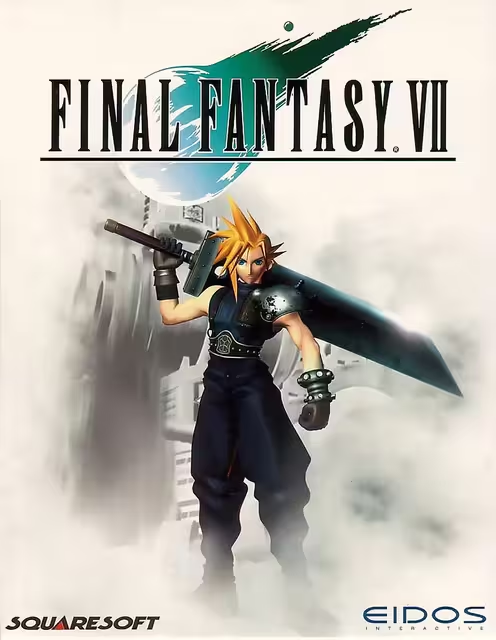
A role-playing game masterpiece that served as a technological showcase for the PlayStation, representing a monumental shift in production values and cinematic storytelling for the series. This initial domestic release introduced many to the potential of 3D polygonal graphics integrated with pre-rendered backdrops, establishing a new creative direction for the franchise.


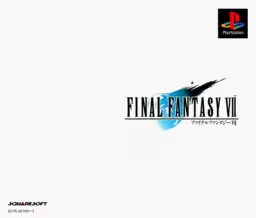 Front Cover
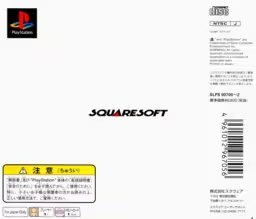 Back Cover
Final Fantasy VII establishes a complex narrative framework centred on ecological resistance, corporate exploitation, and the fragmentation of memory. The player follows Cloud Strife, a disillusioned mercenary who aligns with an eco-insurgent group targeting an industrial conglomerate that is actively exhausting the planet’s life-force. The narrative scales from a gritty, industrial metropolis into a expansive global journey to stop an existential threat to the world itself. The game weaves adult themes of grief, corporate corruption, and identity crisis into a world that juxtaposes high-tech machinery with ancient fantasy mythos.
The game utilises a combination of pre-rendered background art and real-time 3D models during exploration, transitioning seamlessly into fully 3D arenas during combat encounters. Progression relies on the Active Time Battle (ATB) system and the flexible “Materia” system, allowing players to slot magical orbs into equipment to completely custom-tailor character abilities and statistics. As the first edition of the game, this specific NTSC-J release reflects the pure, unrevised vision of the title before Western localisation changes occurred. Notably, it lacks features added to later versions, such as the Ruby and Emerald super boss encounters, certain story-clarifying cutscenes, and the map navigation assistance markers, presenting a higher, more raw difficulty curve.
This original Japanese release suffers from several notorious mechanical bugs and oversight issues that were ironed out in subsequent international versions. Most famous is the Magic Defence bug, where armour pieces do not actually contribute to a character’s magic defence stat, making standard magical protection equipment useless. The battle UI behaves slightly differently, lacking the target indicator lines seen in later versions. Additionally, the inventory layout and menu structures lack some of the sorting refinements found in post-1997 editions. For purists, navigating these raw quirks provides an authentic window into how domestic audiences first experienced the game in early 1997. Later that year Japan received an International Edition that brought the various improvements and patches back to a Japanese language release.
Upon its initial launch, the game received historic acclaim from Japanese critics and consumers alike, breaking sales records and earning praise for its breathtaking computer-generated cinematic sequences and emotional depth. Retrospectively this remains a monumental milestone in interactive entertainment, credited with significantly driving the global adoption of the PlayStation console and optical disc media.
| Item Name |
|
|---|---|
| Original Name |
|
| Item Code |
|
| Item Number |
|
| Series | |
| Type | |
| Genre | |
| Region | |
| Territory | |
| Packaging | |
| Documentation | |
| Developer | |
| Publisher | |
| Media | |
| Players | |
| Peripherals | |
| Sound Modes | |
| Launch Price |
|
| Release Date | |
| Date Added |
|