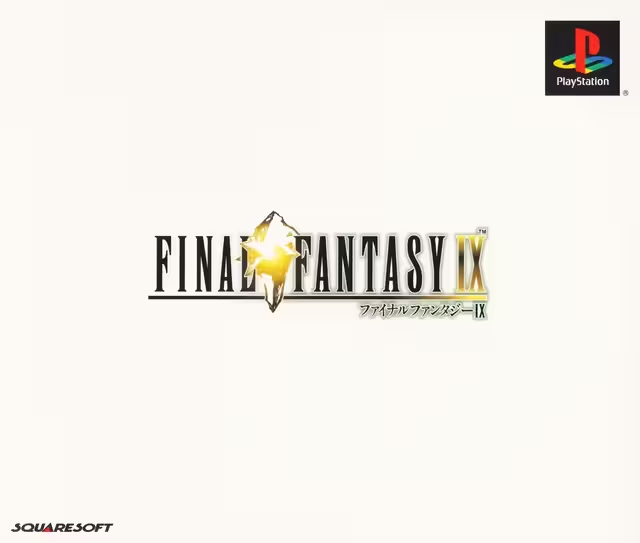
Final Fantasy IX
SLPS-02000~3
Kolekcja Gier Wideo


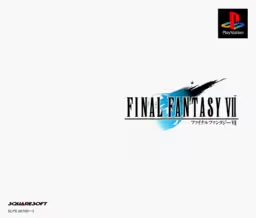 Front Cover
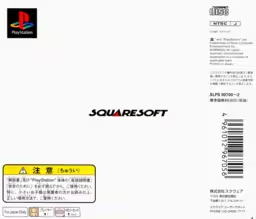 Back Cover
Monumentalna gra RPG, która stała się technicznym pokazem możliwości PlayStation, wyznaczając przełom w jakości produkcji i filmowej narracji dla całej serii. To premierowe wydanie domowe ukazało graczom potencjał integracji trójwymiarowej grafiki wielokątnej z prerenderowanymi tłami, wyznaczając nowy kierunek artystyczny dla marki.
Final Fantasy VII buduje złożone ramy narracyjne skupione wokół oporu ekologicznego, korporacyjnej eksploatacji i fragmentacji pamięci. Gracz wciela się w postać Clouda Strife’a, rozczarowanego najemnika, który przyłącza się do grupy ekoterrorystów zwalczających przemysłowy konglomerat wyczerpujący siły witalne planety. Opowieść ewoluuje od surowej, industrialnej metropolii po ekspansywną, globalną podróż mającą na celu powstrzymanie egzystencjalnego zagrożenia dla całego świata. Gra wplata dojrzałe motywy żałoby, korporacyjnej korupcji i kryzysu tożsamości w świat, w którym zaawansowana technologia kontrastuje z dawnym mitycznym fantasy.
Produkcja wykorzystuje połączenie prerenderowanych teł oraz trójwymiarowych modeli postaci podczas eksploracji, płynnie przechodząc w pełne środowiska 3D w trakcie starć. Postępy opierają się na systemie Active Time Battle (ATB) oraz elastycznym systemie Materii, który pozwala na osadzanie magicznych kul w wyposażeniu, co umożliwia pełną personalizację umiejętności i statystyk postaci. Jako pierwsze wydanie gry, ta edycja NTSC-J odzwierciedla surową, niezmienioną wizję tytułu sprzed zachodnich lokalizacji. Warto zaznaczyć, że brakuje tu elementów dodanych w późniejszych wersjach, takich jak walki z super-bossami Ruby i Emerald Weapon, niektórych scen wyjaśniających fabułę czy wskaźników nawigacji na mapie, co przekłada się na wyższy i bardziej bezkompromisowy poziom trudności.
To oryginalne japońskie wydanie posiada szereg znanych błędów technicznych, które zostały wyeliminowane w późniejszych edycjach międzynarodowych. Najsłynniejszym z nich jest błąd obrony magicznej (Magic Defence), przez który elementy pancerza faktycznie nie dodają punktów do tej statystyki, czyniąc standardowy sprzęt ochronny bezużytecznym w starciach z magią. Interfejs walki działa nieco inaczej, brak w nim linii wskazujących cel, znanych z późniejszych iteracji. Ponadto, układ ekwipunku i struktura menu nie posiadają udogodnień sortowania znanych z wydań po 1997 roku. Dla purystów, zmaganie się z tymi niedoskonałościami stanowi autentyczne okno na to, jak japońscy odbiorcy po raz pierwszy doświadczali tego tytułu na początku 1997 roku. Jeszcze w tym samym roku w Japonii ukazała się edycja International Edition, która wprowadziła wspomniane poprawki i usprawnienia do lokalnego rynku.
W momencie premiery gra zyskała historyczne uznanie zarówno wśród japońskich krytyków, jak i graczy, bijąc rekordy sprzedaży i zdobywając pochwały za zapierające dech w piersiach sekwencje filmowe oraz głębię emocjonalną. Z perspektywy czasu pozostaje ona kamieniem milowym interaktywnej rozrywki, któremu przypisuje się znaczący wpływ na globalną popularyzację konsoli PlayStation oraz nośników optycznych.
| Nazwa Przedmiotu |
|
|---|---|
| Oryginalna Nazwa |
|
| Kod Przedmiotu |
|
| Numer Przedmiotu |
|
| Seria | |
| Typ | |
| Gatunek | |
| Region | |
| Terytorium | |
| Opakowanie | |
| Dokumentacja | |
| Producent Gry | |
| Wydawca | |
| Nośnik | |
| Liczba Graczy | |
| Peryferia | |
| Tryby Dźwięku | |
| Cena w Dniu Premiery |
|
| Data Wydania | |
| Data Dodania |
|