Kiniro no Corda: La Corda d’Oro (Premium Box)
-
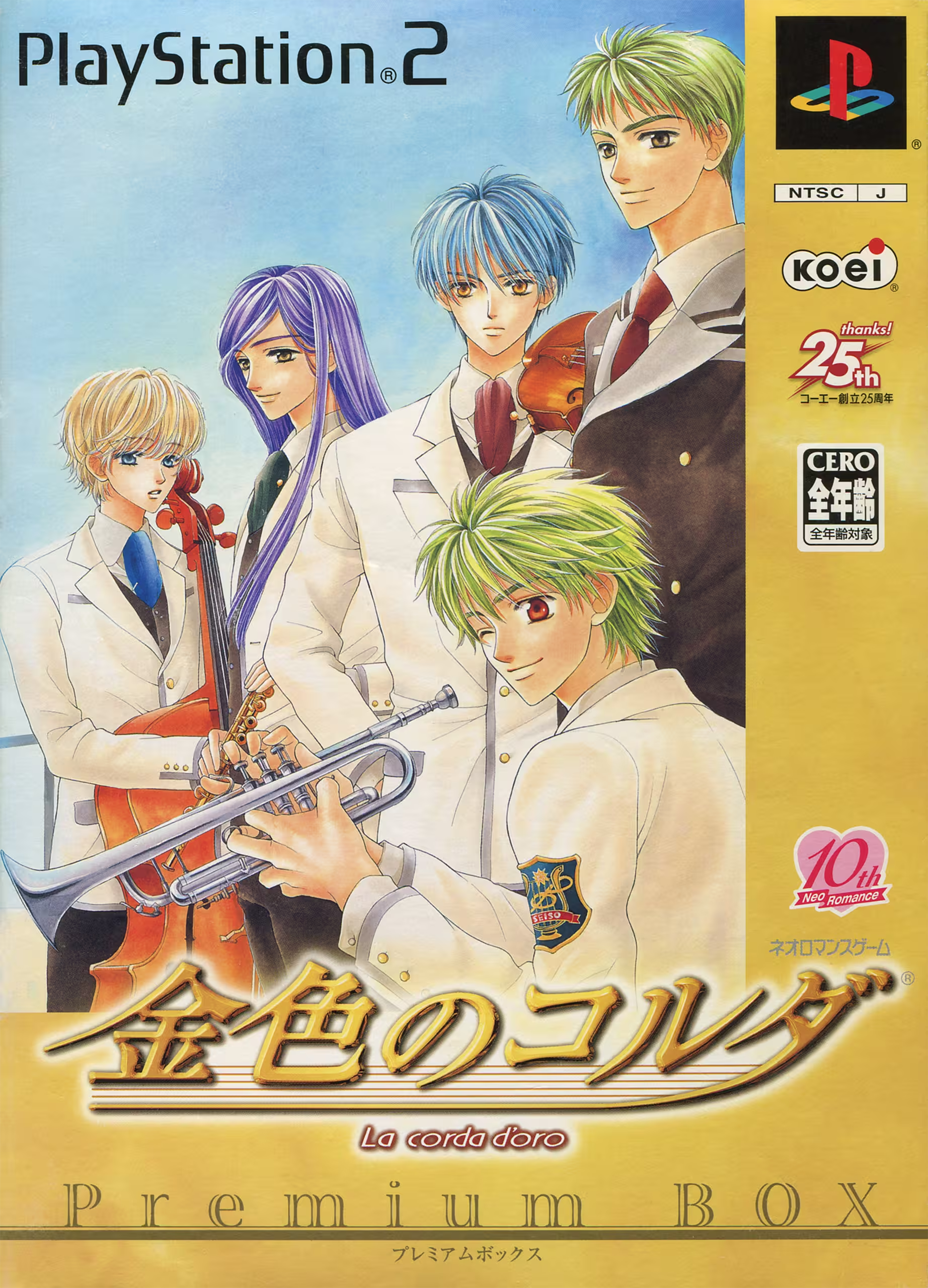
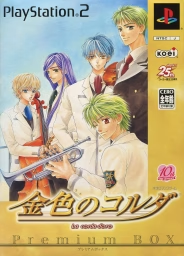 Box Front
-
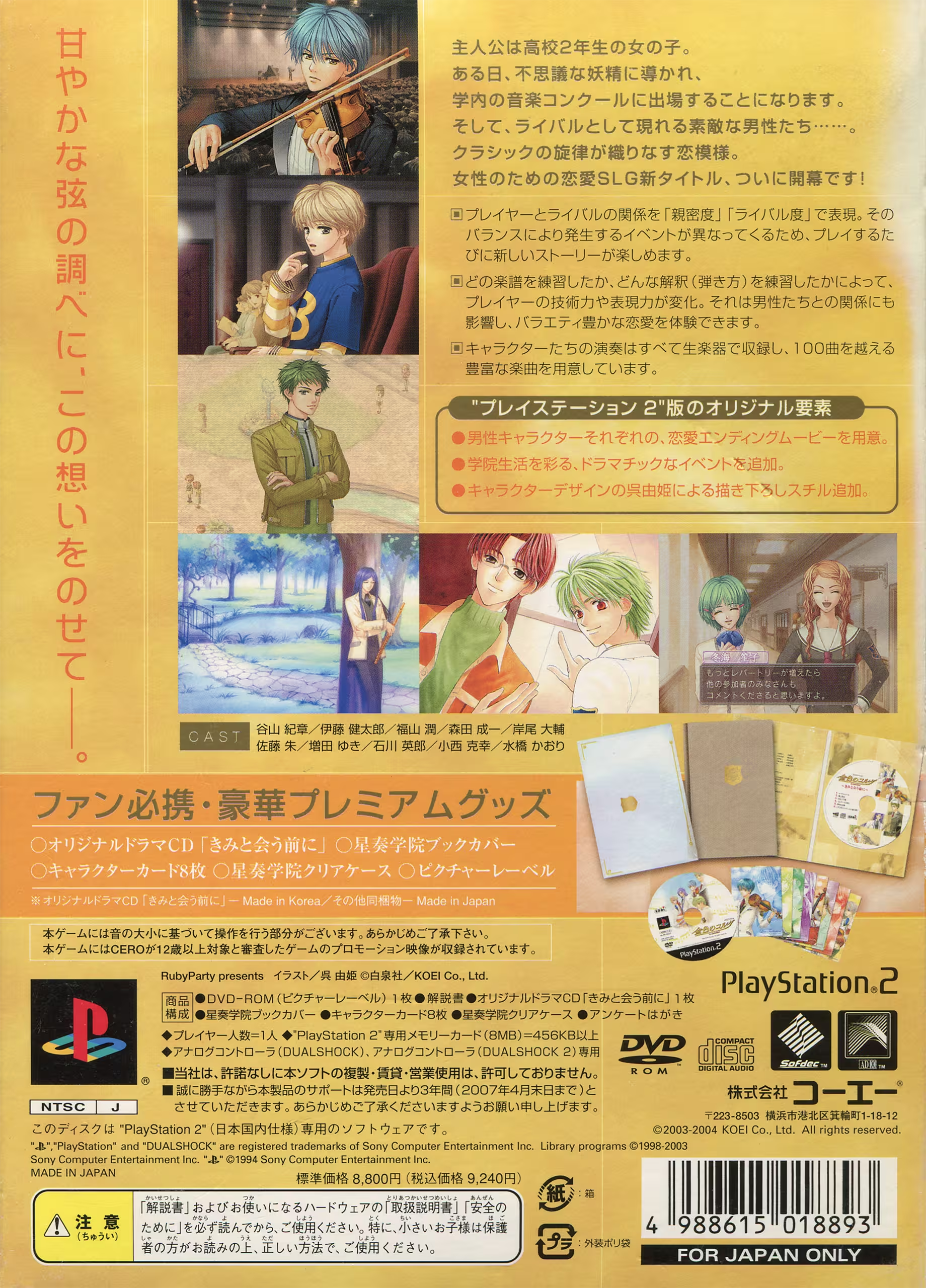
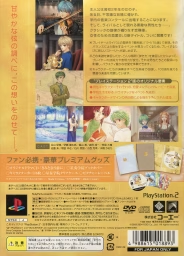 Box Back
A music-themed romance simulation follows an ordinary student who enters a classical music competition with the help of a magical violin, blending relationship-building with demanding performance-focused progression. The Premium Box edition adds collector-oriented extras such as a drama CD and character goods, making it a more elaborate PS2 release of one of Koei’s most distinctive early otome titles.
Description
Kiniro no Corda: La Corda d’Oro is a romance and life-simulation game set at Seiso Academy, a prestigious school with both general education and music divisions, where an ordinary student is suddenly drawn into the world of elite classical performance. The heroine, a second-year student with no formal musical training, encounters the fairy Lili and is entrusted with a magical violin, which allows her to enter the school’s annual music concours despite being a complete beginner. From there, the story follows her growth as she navigates rivalry, friendship, and romance with gifted young musicians whose lives revolve around violin, flute, cello, and piano performance.
Kiniro no Corda differs from many early-2000s otome games by how it heavily integrates its musical theme into actual play. As the third major Neoromance series, it was designed around a contemporary school setting, something fans had specifically requested while also reflecting Koei leadership’s desire to build a game centreed on classical music. This port of the original PC release added character-specific romance ending movies, new school-life events, and additional illustrations by character designer Yuki Kure, making it a more elaborate presentation of the original game. The Premium Box went further by bundling the game with an original drama CD, a Seiso Academy book cover, eight character cards, and a clear case, positioning it as a collector-focused edition for early series fans.
Retrospectively, the game is often remembered as one of the more unusual and demanding entries in the broader Neoromance line. The game received praise for its combination of satisfying challenge, strong character writing, and a classical soundtrack that gives the entire experience a distinctive atmosphere. The game’s importance is also reflected in how quickly it grew into a broader multimedia property: it spawned manga serialisation, anime adaptations, later sequels, portable revisions, and anniversary collections, confirming it as one of Koei’s more successful female-oriented game properties of the 2000s. In hindsight, Kiniro no Corda stands out not just as a romance simulation, but as a formative work that fused music practice, competition structure, and relationship-building into a style the genre did not often attempt at the time.
Datasheet
| Item Name |
|
|---|---|
| Localised Name |
|
| Item Code |
|
| Item Number |
|
| Type | |
| Genre | |
| Region | |
| Territory | |
| Packaging | |
| Documentation | |
| Developer | |
| Publisher | |
| Media | |
| Players | |
| Peripherals | |
| Middleware | |
| Classification | |
| Launch Price |
|
| Release Date | |
| Date Added |
|