Road Rash
サムライスピリッツ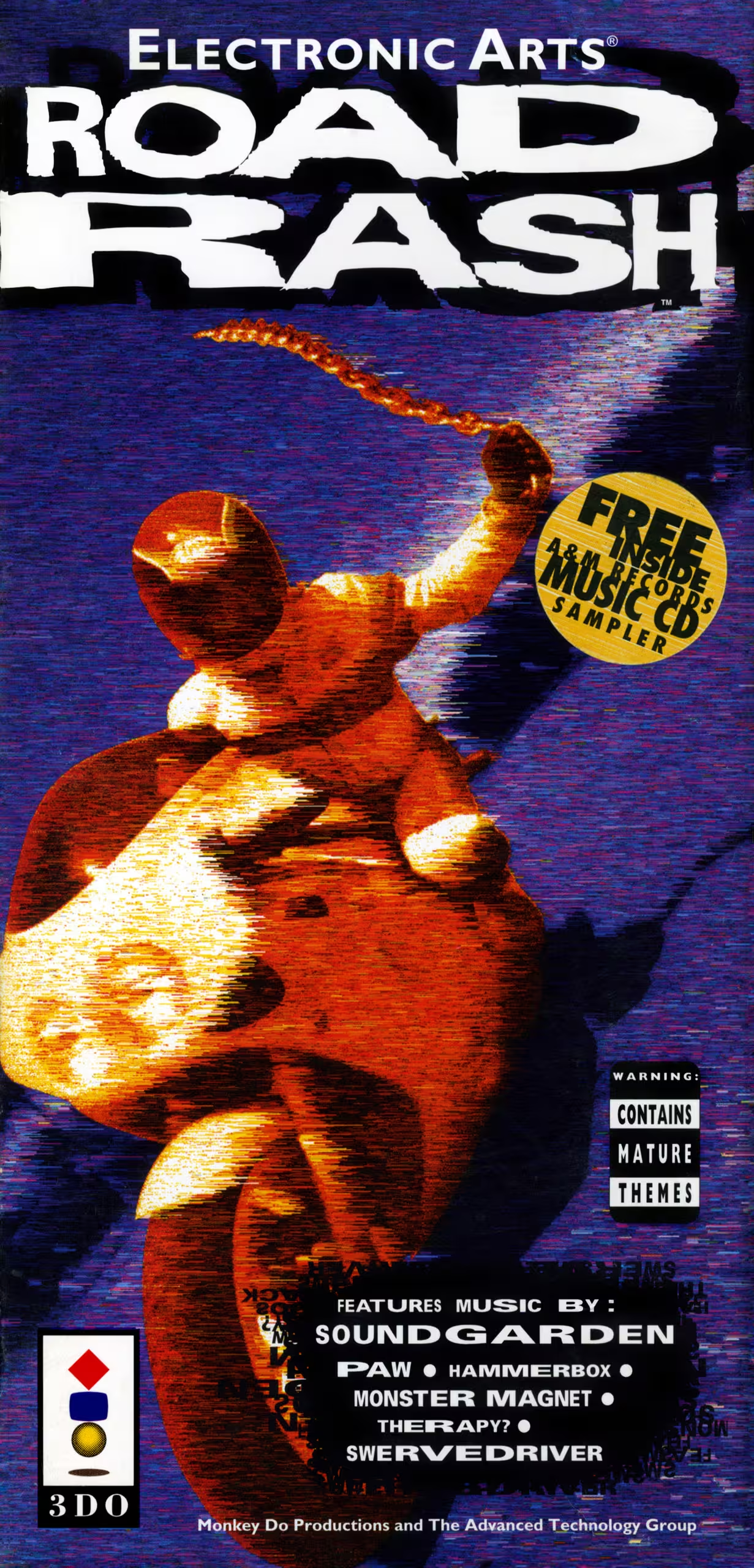
A high-fidelity reimagining of the classic combat-racing formula that served as a cornerstone title for the 3DO’s multimedia push. It is celebrated for its gritty, digitised aesthetic and a seminal licensed grunge soundtrack that perfectly captured the in-your-face attitude of the mid-90s alternative culture.
Description
Road Rash for the 3DO represented a significant technological leap for Electronic Arts, evolving the series from its 16-bit origins into a cinematic, 32-bit experience. Released in 1994, it was designed as a hero title to showcase the 3DOs ability to blend high-speed sprite-scaling with 25 minutes of live-action full-motion video. Unlike the earlier entries, this version fully embraced a gritty, counter-culture aesthetic, utilising digitised sprites of real-life actors (many of whom were members of the development team) to provide a level of realism that was unprecedented for the genre at the time. The game is synonymous with its A&M Records-licensed soundtrack, featuring artists like Soundgarden, Monster Magnet, and Therapy?, which established a rebellious atmosphere that defined the series for a new generation.
The primary experience introduces a cast of eight distinct playable characters, between the lightweight and agile to the heavy-hitting. Each character begins with a different starting bike and cash reserve, embedding a sense of progression and identity into the illegal street racing circuit. The narrative is told through interactive menus and FMV sequences set in biker bars and finish-line celebrations, where players interact with other riders who offer gossip, tips, or threats. This immersion into the Californian biker subculture across locations like the Sierra Nevada, Napa Valley, and the Pacific Coast Highway transformed the game from a simple racer into a career-focused simulation of life on the edge of the law.
The gameplay refined the signature “combat-racing” mechanics by adding layers of tactical depth and visceral feedback. Players must balance the demands of high-speed navigation through dense civilian traffic and undulating terrain with the necessity of fending off aggressive rivals. Combat is expanded with weapons like clubs and chains, and a new stamina system requires players to time their strikes to effectively unhorse opponents. The 3DO version is particularly noted for its sense of speed, achieved through advanced pseudo-3D texture mapping and sprite scaling that handles the dips and rises of California’s hills with more fluidity than previous hardware allowed. Success requires careful financial management, as winnings must be reinvested into bike repairs or upgraded machines across three classes: Rat Bikes, Sport Bikes, and Super Bikes.
At the time of its release, Road Rash was hailed as one of the few essential reasons to own a 3DO console, often cited as the definitive version of the game before it was ported to less-specialised hardware. Critics praised the seamless integration of its licensed music, accessible via an in-game jukebox, and the high production values of its FMV cutscenes, which avoided the B-grade factor of many contemporary titles by leaning into a cohesive, rebellious style. While later PlayStation and Saturn ports reached a wider audience, the 3DO original was the foundational benchmark that helped steer the industry with its FMV use, use of alternate music and presentation of subculture.
Datasheet
| Item Name |
|
|---|---|
| Original Name |
|
| Item Code |
|
| Item Number |
|
| Series | |
| Type | |
| Genre | |
| Region | |
| Territory | |
| Packaging | |
| Documentation | |
| Developer | |
| Publisher | |
| Media | |
| Players | |
| Sound Modes | |
| Classification | |
| Release Date | |
| Date Added |
|
Related Products
-
 Road & Track Presents: The Need for Speed7355
 -
 Need for Speed: Most Wanted64A-00001
 -
 Need For Speed: Hot Pursuit 2SLES-50731, EAJ03403734IS
 -
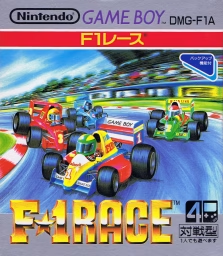 F☆1 RACEDMG-F1A
 -
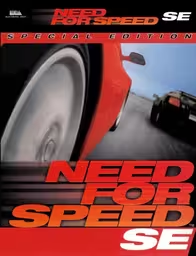 Road & Track Presents: The Need for Speed SEEA670687
 -
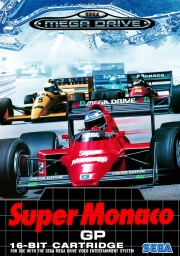 Super Monaco GPMK-4026-50
 -
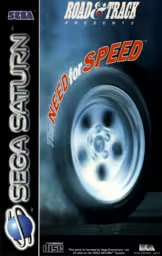 Road & Track Presents: The Need for SpeedT-5009H-50
 -
 Mario Kart WiiRVL-RMCJ-JPN