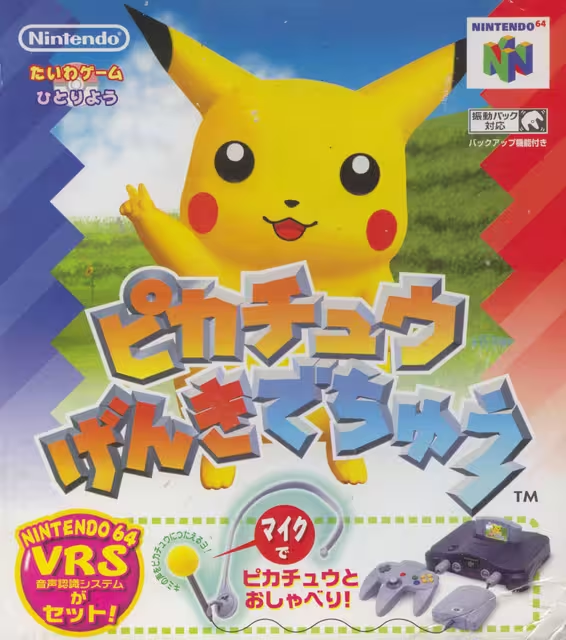
Pikachū Genki Dechū
NUS-NPGJ-JPN
Kolekcja Gier Wideo
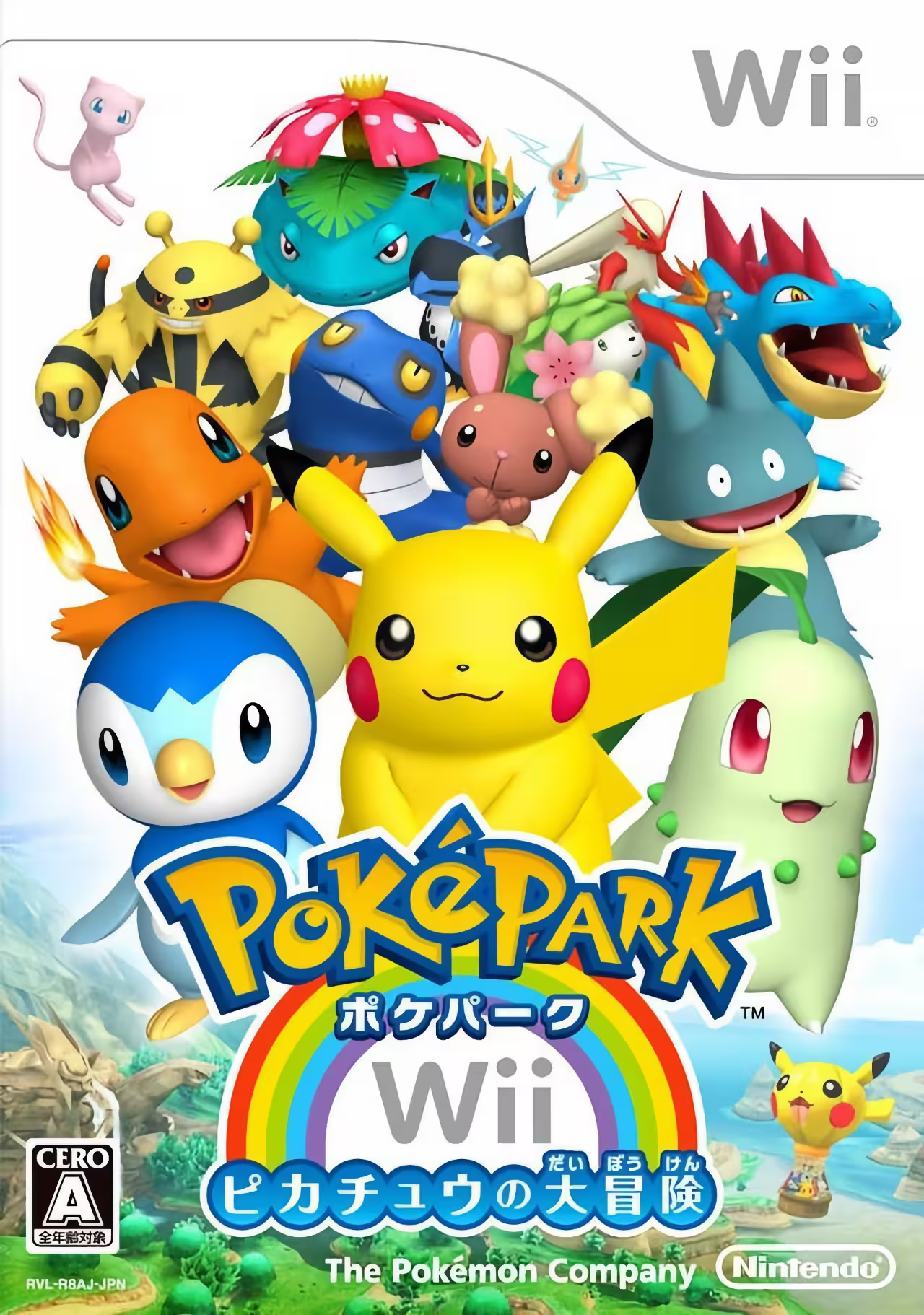
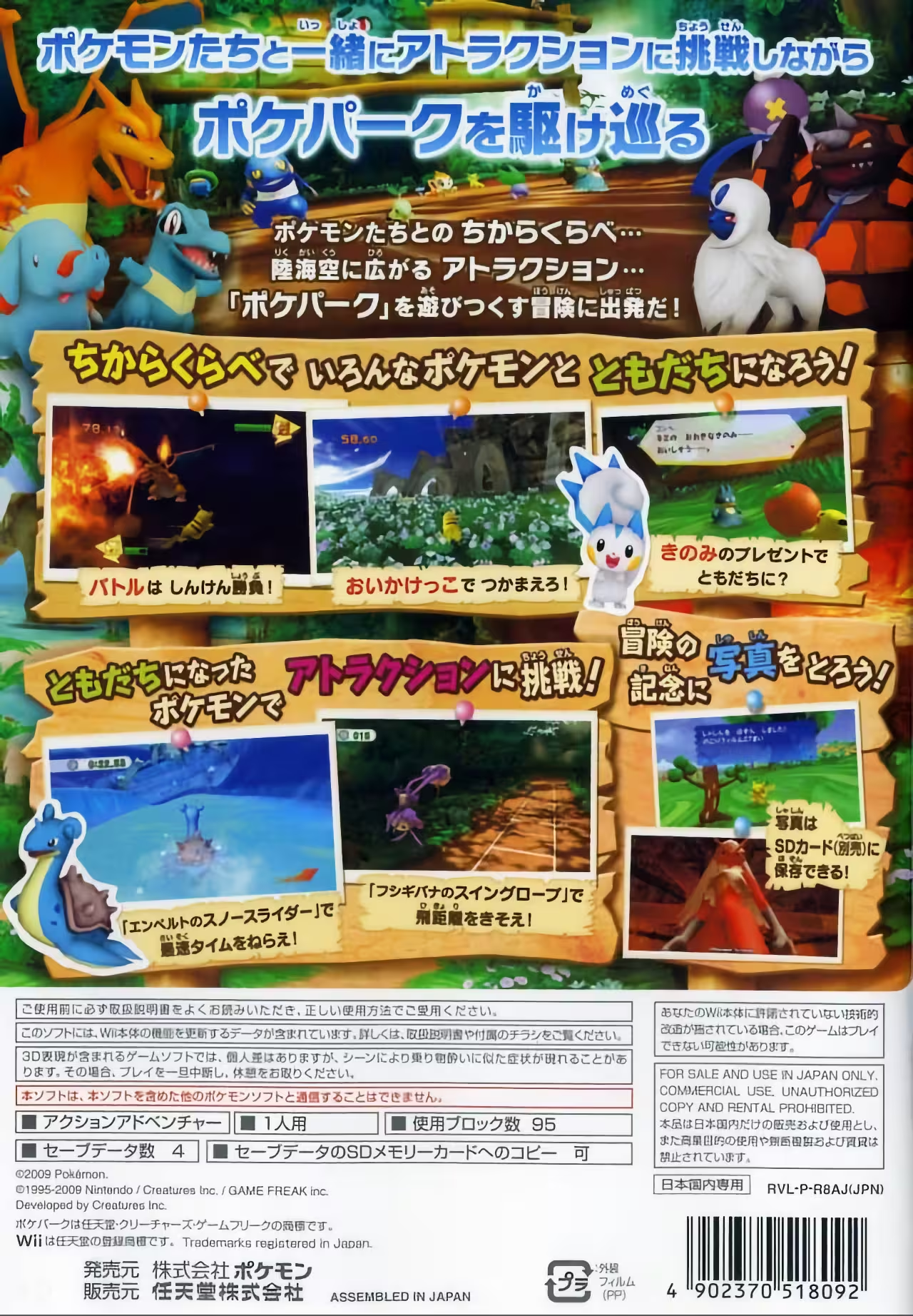
 Front Cover
 Back Cover
Spin-off serii Pokémon, który redefiniuje podstawowe mechaniki zbierania stworzeń i interakcji, przenosząc je w przestrzenną, eksploracyjną formę, kładącą nacisk na systemy przyjaźni i aktywny udział w rozgrywce zamiast tradycyjnego rozwoju przez walkę.
PokéPark Wii: Pikachu no Daibōken stanowi znaczące odejście od utartego schematu głównych odsłon serii Pokémon. Gracze wcielają się bezpośrednio w postać Pikachu, przemierzając zamknięte środowisko tytułowego PokéParku. Produkcja przekształca klasyczne mechaniki cyklu w lekką grę przygodową, skupioną na eksploracji, minigrach oraz interakcjach społecznych, całkowicie rezygnując z turowego systemu walki. Centralny system gry opiera się na budowaniu więzi zamiast tradycyjnego łapania stworzeń: przyjaźnie zdobywa się poprzez „gry zręcznościowe”, takie jak pojedynki, pościgi, zabawa w chowanego, tory przeszkód czy quizy. Tworzenie sieci relacji otwiera dostęp do nowych obszarów i pozwala na uczestnictwo w „atrakcjach” – zestawie minigier wykorzystujących kontroler Wii Remote, które umożliwiają kierowanie innymi Pokémonami, co wprowadza dużą różnorodność mechaniczną. Walka jest obecna, lecz została znacznie uproszczona; ruchy takie jak Thunderbolt czy Iron Tail są częścią szerszego zestawu interakcji, a nie dedykowanym systemem starć. W połączeniu z niskim progiem wejścia, funkcją wirtualnego aparatu fotograficznego oraz naciskiem na współpracę, projekt przesuwa punkt ciężkości z rywalizacji na dostępny model rozgrywki oparty na eksploracji i zabawie. Na tle biblioteki Wii, PokéPark Wii idealnie wpisuje się w filozofię platformy, kładącą nacisk na dostępność i fizyczne zaangażowanie gracza. Z perspektywy czasu tytuł ten jawi się jako eksperymentalna reinterpretacja fundamentów marki, zamieniająca chwytanie i rywalizację na przyjaźń oraz partycypację.
| Nazwa Przedmiotu |
|
|---|---|
| Oryginalna Nazwa |
|
| Kod Przedmiotu |
|
| Numer Przedmiotu |
|
| Seria | |
| Typ | |
| Gatunek | |
| Region | |
| Terytorium | |
| Opakowanie | |
| Dokumentacja | |
| Producent Gry | |
| Wydawca | |
| Nośnik | |
| Liczba Graczy | |
| Peryferia | |
| Tryby Wideo | |
| Kategoria Wiekowa | |
| Data Wydania | |
| Data Dodania |
|