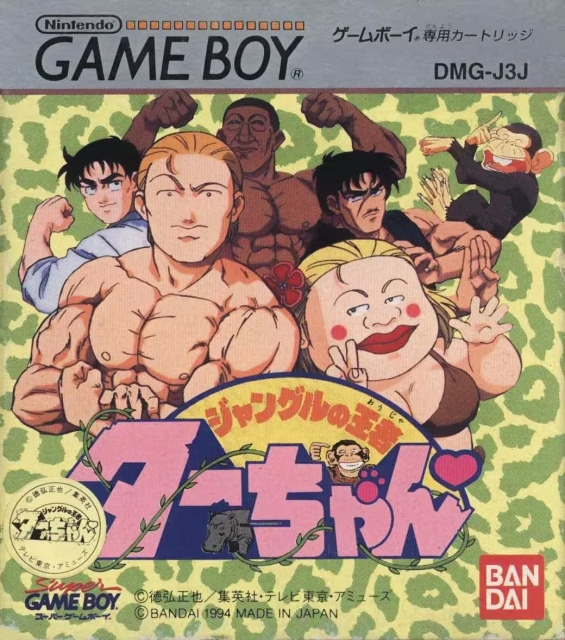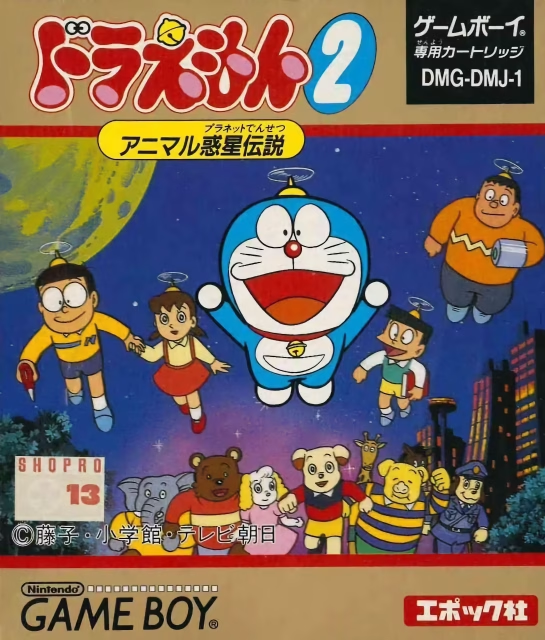
Doraemon 2: Animal Wakusei Densetsu
DMG-DMJ
Videospelsamling
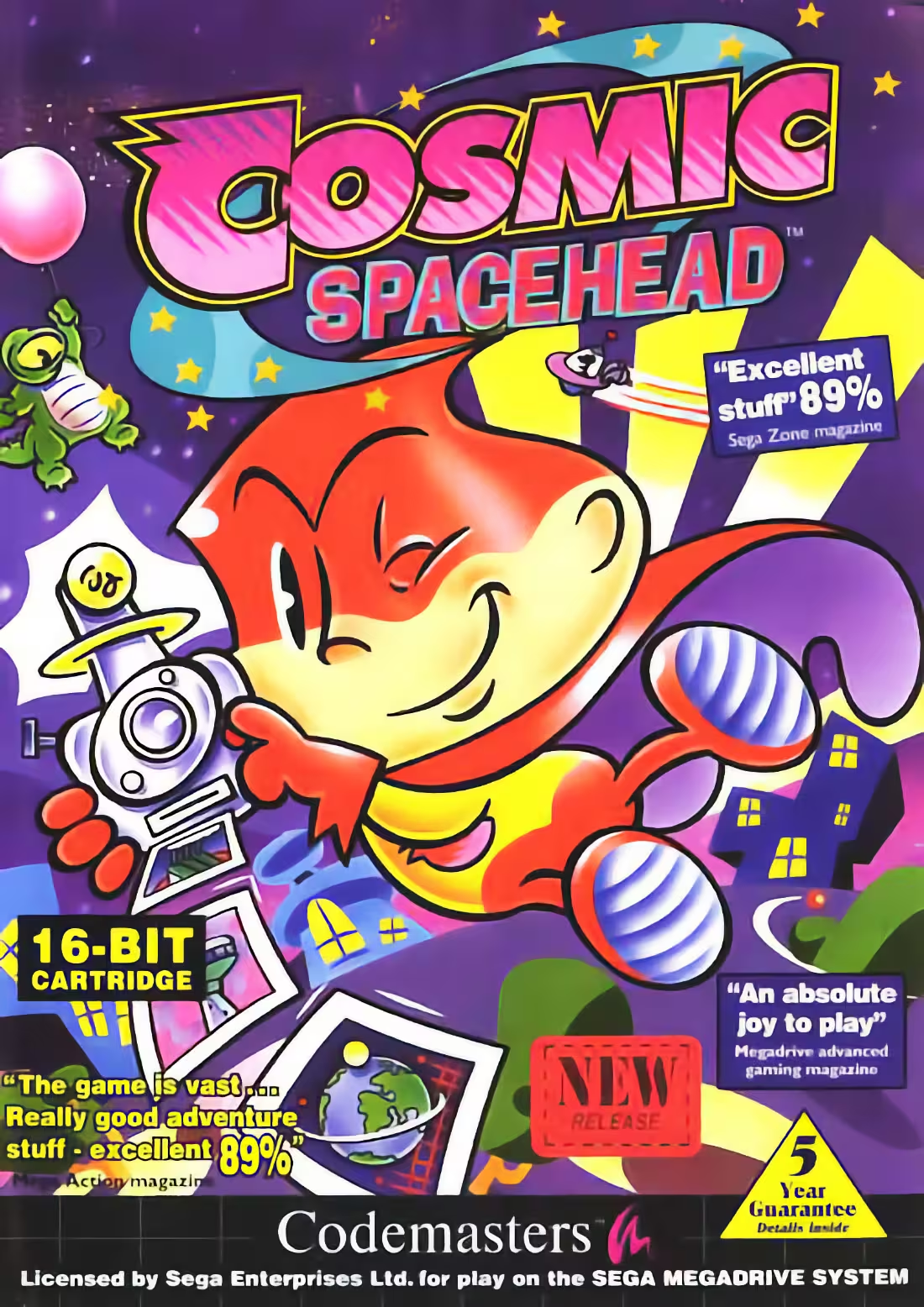
 Front Cover
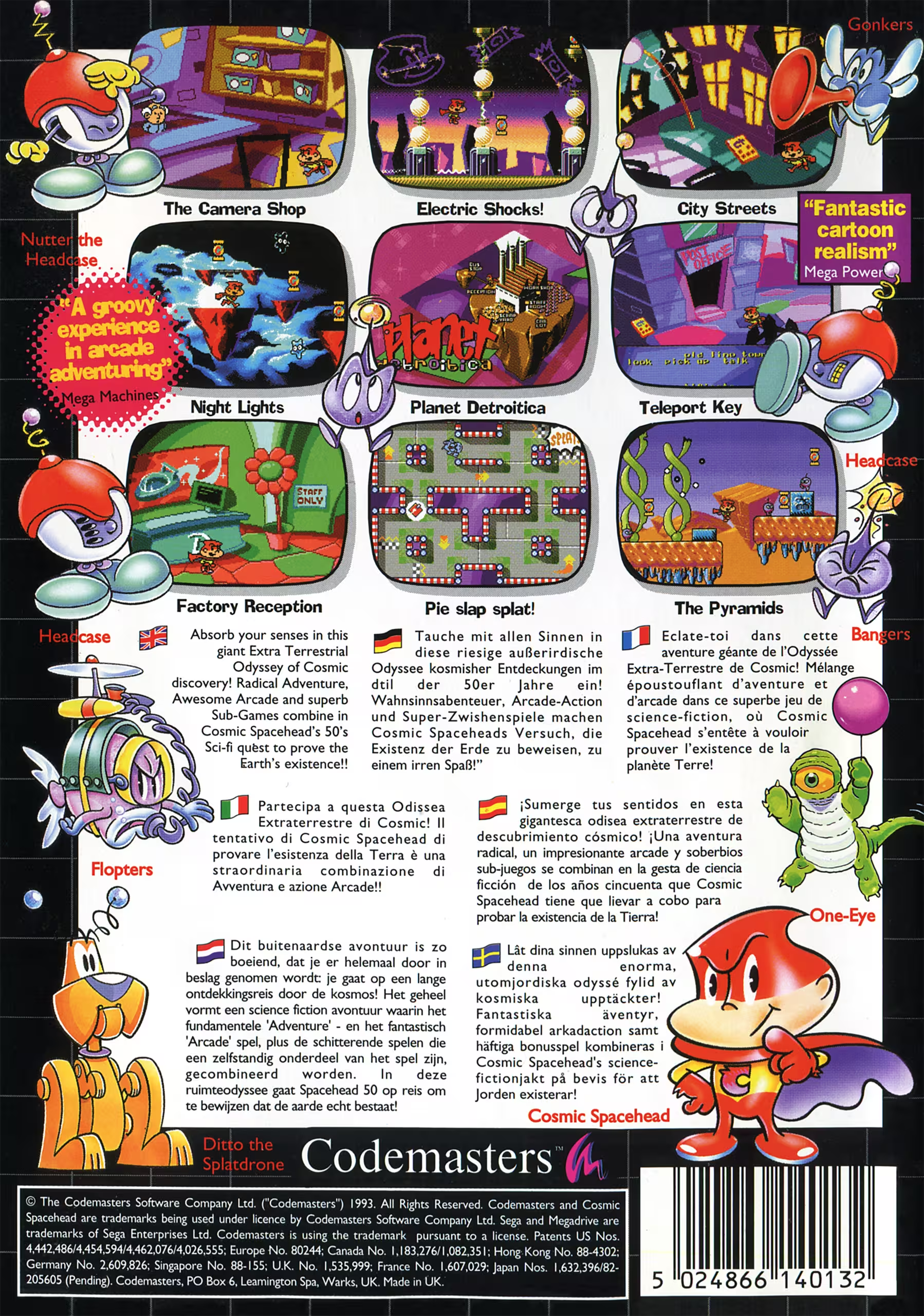
 Back Cover
En färgstark hybrid mellan äventyr och plattformsspel där en utomjordisk utforskare återvänder till jorden för att samla bevis på dess existens. Spelet utmärker sig genom sin unika struktur, Jetsons-liknande estetik och en distinkt brittisk, excentrisk speldesign.
Cosmic Spacehead förenar peka-och-klicka-äventyr, plattformshoppande och arkadartade inslag i en avsiktligt excentrisk förpackning. Spelet är en 16-bitars omarbetning av NES-titeln Linus Spacehead’s Cosmic Crusade, en del av Codemasters serie om rymdresenären från planeten Linoleum. Premissen är lika absurd som underhållande: huvudpersonen har besökt jorden, men ingen tror på honom. För att bevisa sin sak måste han nu samla ihop pengar, utrustning och bevis i en värld som känns som en blandning mellan 1950-talets science fiction och surrealistisk lördagsmorgon-tv.
Mega Drive-versionens styrka ligger inte i teknisk briljans, utan i hur den överför ett märkligt spelupplägg till ett mer färgstarkt 16-bitarsformat. Stora delar av spelet handlar om att styra en markör för att interagera med omgivningen genom kommandon som prata, ta eller titta, för att lösa komiska pussel. Dessa lugnare segment bryts av med plattformssektioner där Cosmic måste navigera genom faror och samla ‘Cosmic Candy’. Denna rytm, som växlar mellan metodiskt pusslande och reflexkrävande arkadaction, var ovanlig för sin tid. Jämfört med 8-bitarsversionen erbjuder Mega Drive-utgåvan en uppdaterad grafisk stil och mer förlåtande spelmekanik.
Detta är en av Codemasters mer säregna skapelser: uppfinningsrik och charmig, men stundtals klumpig. Modern kritik har hyllat dess färgstarka art direction och ambition, samtidigt som hanteringen av inventarier och bitvis ologiska pussel har diskuterats flitigt. Trots att mottagandet vid lanseringen var blandat, står titeln i dag ut som en kultklassiker – ett modigt experiment som vågade kombinera den traditionella plattformshjälten med en äventyrares logik.
Samlarnotering: I Australien distribuerades både PAL-versionen och NTSC-versionen av Sega Genesis. Sega Ozisoft hanterade Genesis-utgåvan, medan PAL-versionen distribuerades via en tredjepartsaktör.
| Produktnamn |
|
|---|---|
| Artikelkod |
|
| Artikelnummer |
|
| Typ | |
| Genre | |
| Region | |
| Territorium | |
| Förpackning | |
| Dokumentation | |
| Utvecklare | |
| Utgivare | |
| Mediaformat | |
| Spelare | |
| Släppdatum | |
| Datum tillagt |
|