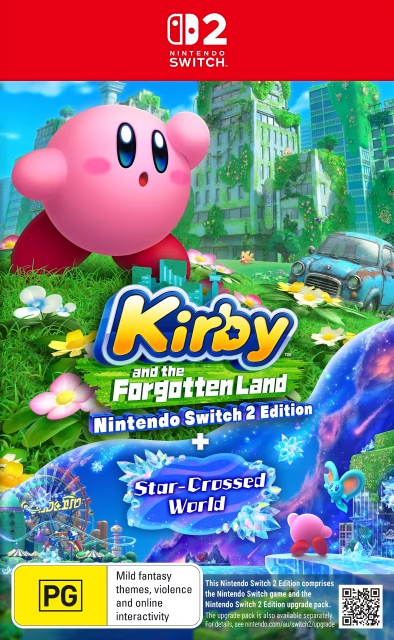
Kirby and the Forgotten Land: Nintendo Switch 2 Edition + Star-Crossed World
NXS-ARZGB-AUS
Video Game Collection
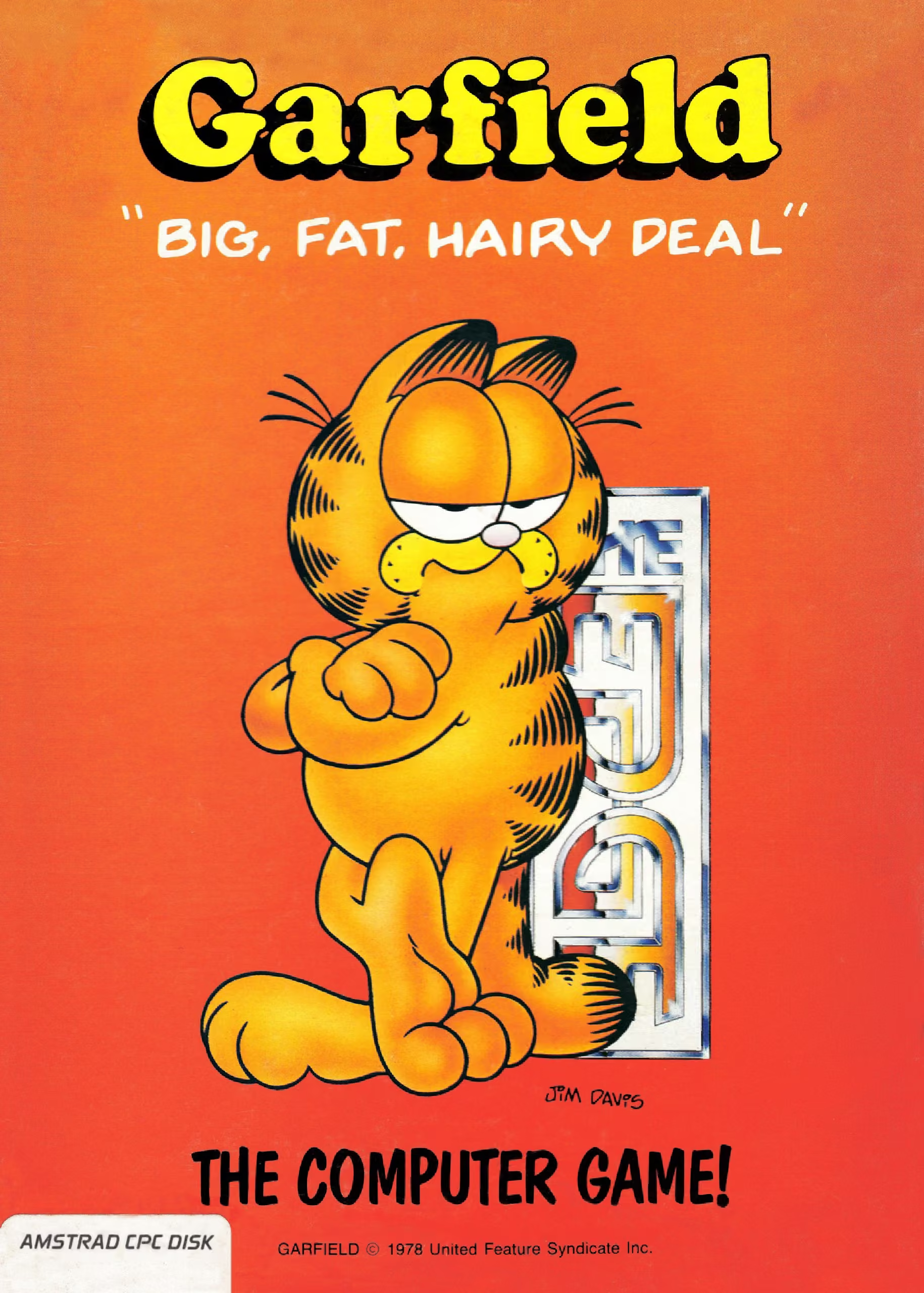
A side-view platform adventure combining object-based puzzles with hunger and fatigue management, as Garfield searches houses, streets, alleys, shops, and sewers to rescue Arlene from the city pound.
Garfield: Big Fat Hairy Deal begins when Garfield discovers that Arlene has been taken to the pound. Starting in Jon Arbuckle’s house, he must find a route outside, gather useful objects, negotiate with other characters, reach the pound, rescue Arlene, and return home. Odie, Nermal, and several less friendly animals appear during the journey, sometimes providing assistance but often obstructing Garfield’s progress.
The game uses a flip-screen structure in which each location occupies a single side-view scene. Garfield can walk, jump, duck, crawl, kick, pick up objects, and carry a limited selection of items. Progress depends on determining where each object should be used: items can be exchanged with characters, left at particular locations, or used to remove an obstacle. Characters can also carry items for Garfield, reducing some of the backtracking created by the restricted inventory. The correct sequence is rarely obvious, so you must explore and experiment. Garfield must also manage separate hunger and sleep meters. Food replenishes hunger, while remaining still allows him to rest, but enemies and other hazards drain his energy more quickly. If Garfield becomes hungry while carrying an edible item, he may consume it automatically, potentially destroying something required for a later puzzle. This adds continual pressure to an adventure already dependent on lengthy backtracking and trial and error.
It was released for the Commodore 64, ZX Spectrum, Amstrad CPC, Atari ST, and Amiga, with each version varying significantly in colour and presentation. Reception for each varied, but was generally mixed to positive. Reviewers often praised the large, expressive character sprites, animation, humour, and recognisable use of the Garfield cast. Criticism focused on repetitive scenery, slow movement, obscure object puzzles, extensive backtracking, and limited replay value once the required sequence had been discovered. Retrospectively, its combination of platform movement, inventory puzzles, and survival meters is unusual for a licensed game of its period, but the vague objectives and unforgiving resource management can make progress frustrating.
| Item Name |
|
|---|---|
| Item Code |
|
| Item Number |
|
| Type | |
| Genre | |
| Territory | |
| Packaging | |
| Documentation | |
| Developer | |
| Publisher | |
| Media | |
| Players | |
| Launch Price |
|
| Release Date | |
| Date Added |
|