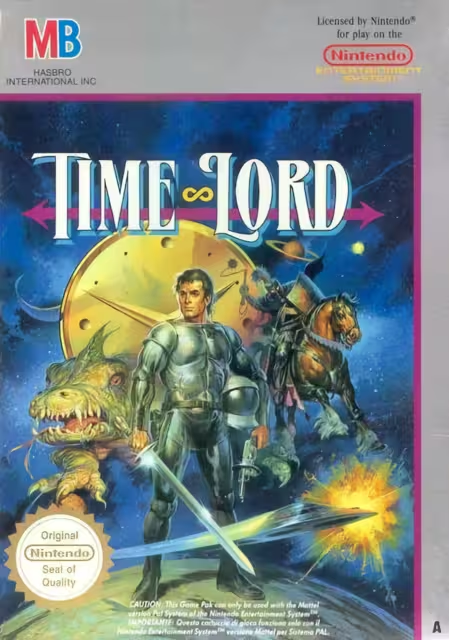
Time Lord
NES-LZ-ITA
Koleksi Permainan Video


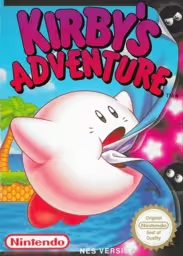 Front Cover
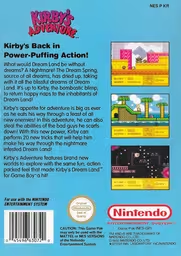 Back Cover
Sebuah permainan platform yang terkenal kerana memperkenalkan Copy Ability Kirby dan merupakan permainan pertama yang memaparkan Kirby dalam bentuk berwarna. Sebagai judul lewat era NES (diterbitkan lama selepas pelancaran Super Famicom/Super Nintendo), ia kekal sebagai salah satu permainan terbaik untuk sistem tersebut.
Kirby’s Adventure merupakan judul kedua dalam siri Kirby selepas Kirby’s Dream Land di Game Boy. Perkakasan NES membolehkan HAL Laboratory meluaskan skop dunia Kirby, menawarkan visual yang lebih terperinci, tahap yang pelbagai, serta mekanik permainan yang lebih luas berbanding versi mudah alih asalnya. Permainan ini mengisahkan perjalanan Kirby merentasi Dream Land untuk membaiki Star Rod yang telah dipecahkan oleh King Dedede dan diagihkan kepada sekutunya. Kirby pada mulanya menyangka Dedede bertindak dengan niat jahat, namun plot mendedahkan bahawa Dedede sebenarnya cuba melindungi Dream Land daripada entiti jahat bernama Nightmare yang telah merosakkan Fountain of Dreams. Pada kemuncak permainan, Kirby menggunakan Star Rod yang telah dipulihkan untuk menumpaskan Nightmare di angkasa lepas.Inovasi utama permainan ini ialah Copy Ability, yang dicetuskan oleh pengarah Masahiro Sakurai untuk menambah cabaran dan nilai ulangan selepas siri Dream Land dikritik kerana terlalu mudah. Dengan menyedut dan menelan musuh tertentu, Kirby mampu memperoleh kuasa mereka seperti api, ais, atau serangan pedang. Ini mengubah corak permainan menjadi gabungan dinamik antara pertarungan dan penyelesaian teka-teki. Mekanik ini menjadi ciri penting siri ini yang diteruskan dalam hampir setiap judul Kirby selepas itu.Penerimaan terhadap permainan ini sangat positif, dengan pujian diberikan kepada kawalan yang jitu, kepelbagaian tahap, dan kebolehan Copy Ability. Ia kemudiannya dibikin semula untuk Game Boy Advance pada tahun 2002 sebagai Kirby: Nightmare in Dream Land, menampilkan grafik yang dipertingkatkan dan sokongan berbilang pemain. Versi NES telah diterbitkan semula berkali-kali, termasuk di Virtual Console Wii, NES Classic Edition, dan Nintendo Switch Online, serta konsisten disenaraikan antara permainan NES terbaik. Kirby’s Adventure mengukuhkan reka bentuk watak Kirby yang berwarna merah jambu sebagai identiti rasmi, memperkenalkan Copy Ability sebagai tanda dagang francais, dan membuktikan bagaimana judul-judul akhir era NES masih mampu menolak keupayaan perkakasan ke tahap visual dan mekanikal yang mengagumkan.
| Nama Item |
|
|---|---|
| Nama Asal |
|
| Kod Item |
|
| Nombor Item |
|
| Siri | |
| Jenis | |
| Genre | |
| Wilayah | |
| Teritori | |
| Pembungkusan | |
| Dokumentasi | |
| Pembangun | |
| Penerbit | |
| Pengedar | |
| Media | |
| Bilangan Pemain | |
| Tarikh Keluaran | |
| Tarikh Ditambah |
|