Momotarō Dōchūki


-
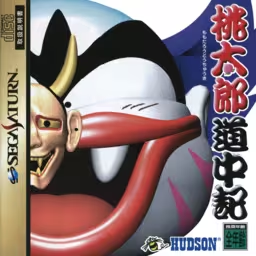 Front Cover
-
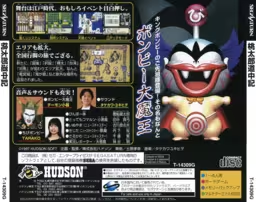 Back Cover
Sebuah permainan papan digital bertemakan cerita rakyat yang memberikan perjalanan berwarna-warni dan kompetitif merentasi Jepun mitologi, lengkap dengan pengurusan barangan strategik dan daya tarikan klasik Hudson Soft.
Huraian
Momotarō Dōchūki merupakan tajuk simulasi gaya permainan papan yang dilancarkan oleh Hudson Soft untuk Sega Saturn pada tahun 1997. Ia merupakan siri terbitan daripada francais Momotarō Dentetsu yang sangat popular, beralih fokus daripada pengurusan kereta api moden kepada perjalanan merentasi versi Jepun era Edo yang penuh dengan mitologi. Tajuk ini mencerminkan penguasaan Hudson Soft dalam genre ‘permainan papan digital’ sepanjang era 32-bit.
Permainan ini melibatkan pusingan kompetitif di mana sehingga empat pemain mengembara merentasi peta Jepun, melawat mercu tanda terkenal dan menyertai pelbagai acara serantau. Pengalaman ini dibentuk oleh gaya seni yang unik serta kemasukan pelbagai ‘Dewa Kemiskinan’ dan semangat lain yang boleh membantu atau menghalang kemajuan anda. Berbeza dengan siri utama yang berfokus pada kereta api, suasana di sini lebih menjurus kepada cerita rakyat tradisional Jepun, dengan persembahan yang terang dan berwarna-warni yang memanfaatkan sepenuhnya keupayaan sprite 2D konsol Saturn.
Permainan ini menampilkan pelbagai permainan kecil interaktif dan acara rawak yang tercetus apabila pemain mendarat di ruang tertentu. Anda perlu menguruskan dana dan barangan anda secara strategik untuk sampai ke matlamat sebelum pihak lawan, sambil mengelakkan kesan buruk ‘Bimbogami’ (Dewa Kemiskinan). Rangka kerja teknikalnya mengutamakan persembahan 2D yang lancar dan berkualiti tinggi, memastikan peta yang rumit dan animasi watak kekal jelas. Tajuk ini juga menyokong jam dalaman Saturn untuk acara tertentu yang sensitif kepada masa dan termasuk ‘Watch Mode’ untuk memerhati perlawanan AI.
Ketika pelancarannya, Momotarō Dōchūki dipuji kerana permainan berbilang pemain yang mengasyikkan dan kesetiaannya terhadap daya tarikan siri tersebut. Pengulas dalam Weekly Famitsu menekankan perincian serantau dan kepelbagaian permainan kecil sebagai kelebihan utama, menyatakan ia memberikan nilai yang sangat baik untuk sesi permainan sosial. Hari ini, ia berdiri sebagai contoh tipikal hasil kerja Hudson Soft pada pertengahan 90-an, mengarkibkan satu tempoh apabila permainan papan digital menjadi kuasa dominan dalam pasaran konsol Jepun.
Lembaran Data
| Nama Item |
|
|---|---|
| Nama Asal |
|
| Kod Item |
|
| Nombor Item |
|
| Siri | |
| Jenis | |
| Genre | |
| Wilayah | |
| Teritori | |
| Pembungkusan | |
| Dokumentasi | |
| Pembangun | |
| Penerbit | |
| Media | |
| Bilangan Pemain | |
| Peranti Tambahan | |
| Klasifikasi Umur | |
| Harga Pelancaran |
|
| Tarikh Keluaran | |
| Tarikh Ditambah |
|
Produk Berkaitan
-
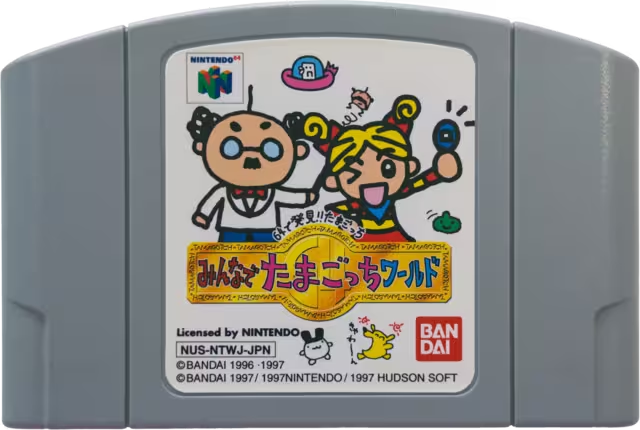 64 de Hakken!! Tamagotchi: Minna de Tamagotchi WorldNUS-NTWJ-JPN
 -
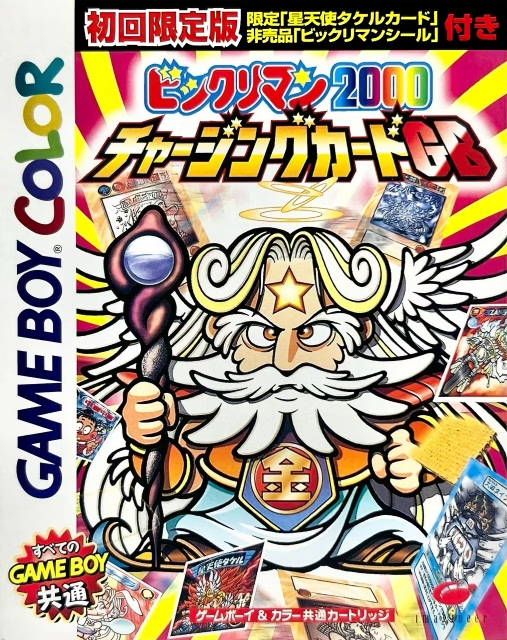 Bikkuriman 2000: Charging Card GBDMG-BC2J-JPN
 -
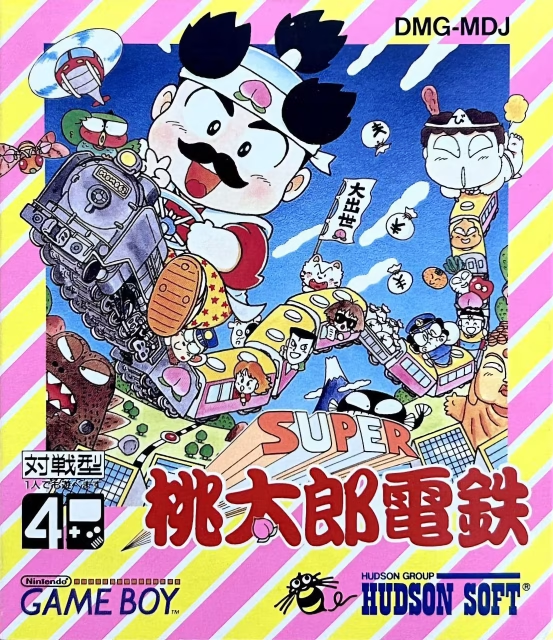 Super Momotarō DentetsuDMG-MDJ
 -
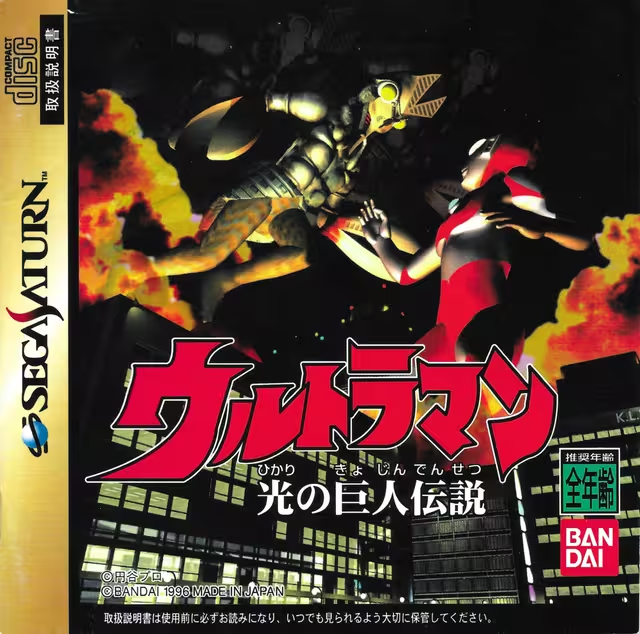 Ultraman: Hikari no Kyojin DensetsuT-13308G
 -
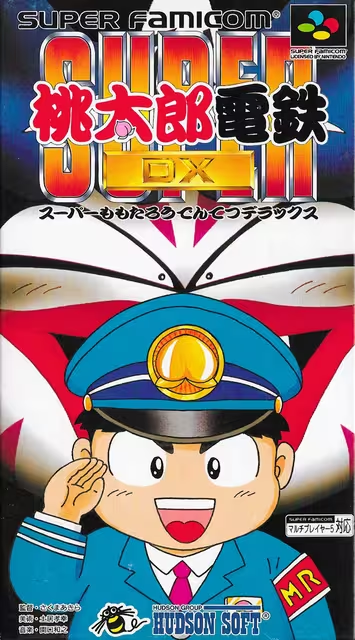 Super Momotarō Dentetsu DXSHVC-AH6J-JPN
 -
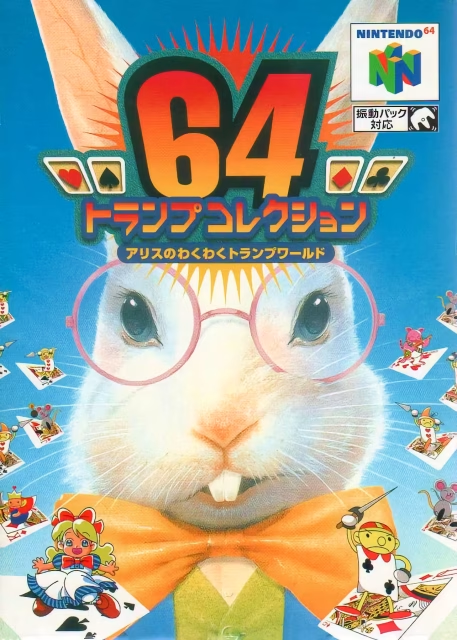 64 Trump Collection: Alice no Wakuwaku Trump WorldNUS-NTCJ-JPN
 -
 Shanghai: Banri no ChōjōFZ-SJ1660
 -
 Yu-Gi-Oh! Duel MonstersDMG-AYUJ-JPN, RK174-J1