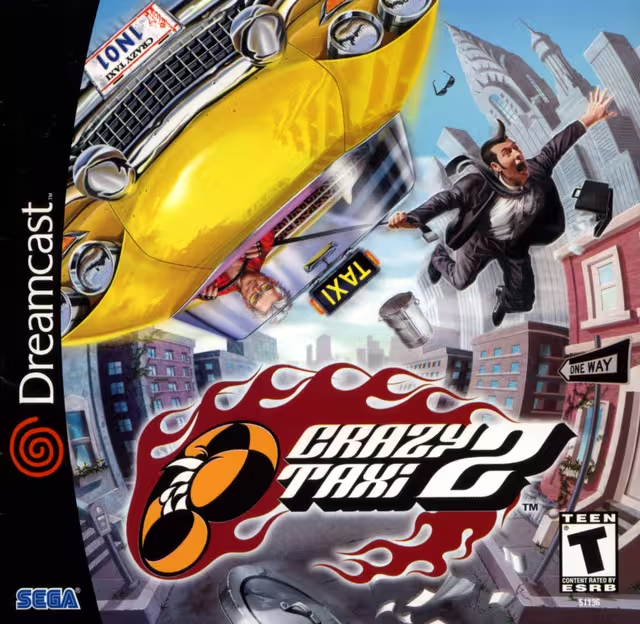
Crazy Taxi 2
51136
Коллекция видеоигр


 Front Cover
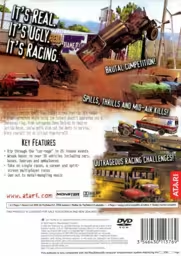 Back Cover
Суровый и висцеральный симулятор дерби, вошедший в историю благодаря передовой физике повреждений и хаотичным режимам гонок, ставшим апогеем автомобильного безумия эпохи PlayStation 2.
Driven to Destruction (выпущенная в Северной Америке как Test Drive: Eve of Destruction) стала радикальным отходом от привычных для серии Test Drive лощеных гонок на суперкарах. Этот проект — смелая попытка переосмыслить жанр, превратив его в суровый и хаотичный праздник американского дерби на выживание и атмосферы сельских ярмарок. Игра заняла уникальную нишу, сменив гламурные городские трассы шестого поколения на грязные, покрытые вмятинами реалии «гаражных» гонок, что стало отражением интереса индустрии к физике разрушаемого окружения.
Игровой процесс строится вокруг нелинейного режима карьеры: начав с малым бюджетом и купив «ведро с гайками», игрок пробивает себе путь через все более опасные заезды. В отличие от строго структурированных трасс конкурентов, здесь представлено огромное разнообразие режимов: от гонок «восьмеркой» до «суицидальных» заездов, где половина участников едет навстречу потоку, и дерби на школьных автобусах. Отдельного упоминания заслуживают гонки с прицепами и толкание, требующие совершенно иного подхода к распределению веса и инерции. Между заездами игроки обслуживают свой автопарк, решая, когда лучше приварить дополнительную броню, а когда заменить радиатор, чтобы продержаться в следующей схватке.
Хотя Driven to Destruction была духовным наследником идей, заложенных в Destruction Derby, ее разработка стала более приземленным ответом аркадной физике предыдущего поколения. Главной гордостью проекта стала передовая для того времени система деформации кузова. Движок игры рассчитывал повреждения в реальном времени: капоты мялись, колеса выгибались, а двигатели начинали дымить или глохнуть в зависимости от точки удара, а не от примитивной шкалы здоровья. Физика управления достоверно передавала тяжеловесность и инертность американских машин 70-х годов. Это потребовало визуальных компромиссов: чтобы сохранить точность вычислений при столкновениях 20 машин, разработчики использовали низкое разрешение текстур и простую геометрию окружения. Это придавало игре пустынный и «пыльный» вид, который выглядел блекло на фоне высокобюджетных хитов вроде Gran Turismo 4.
Критики тепло встретили Driven to Destruction, отметив ее глубину и азарт локального мультиплеера. Рецензенты хвалили честный подход к гонкам, а режимы «Футбол» и «Битва» были признаны одними из лучших развлечений для вечеринок на консоли. Игра обрела культовый статус благодаря бескомпромиссному погружению в культуру дерби. Несмотря на отсутствие громких лицензий и статус бюджетного релиза, сегодня эта игра воспринимается как веха в жанре автобоев, запомнившаяся эталонной моделью повреждений и влиянием на такие проекты, как FlatOut и Wreckfest.
| Название товара |
|
|---|---|
| Код товара |
|
| Артикул |
|
| Тип | |
| Жанр | |
| Тема | |
| Регион | |
| Территория | |
| Упаковка | |
| Документация | |
| Разработчик | |
| Издатель | |
| Медиа | |
| Игроки | |
| Периферийные устройства | |
| Видео режимы | |
| Звуковые режимы | |
| Классификация | |
| Дата выпуска | |
| Дата добавления |
|