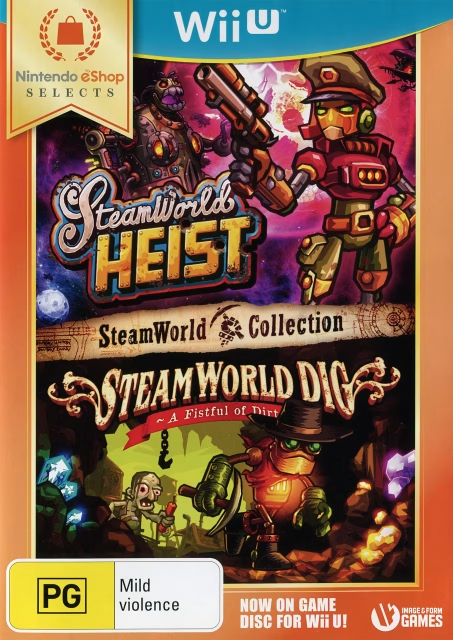
SteamWorld Collection (Nintendo eShop Selects)
WUP-AJ8P-AUS
वीडियो गेम संग्रह
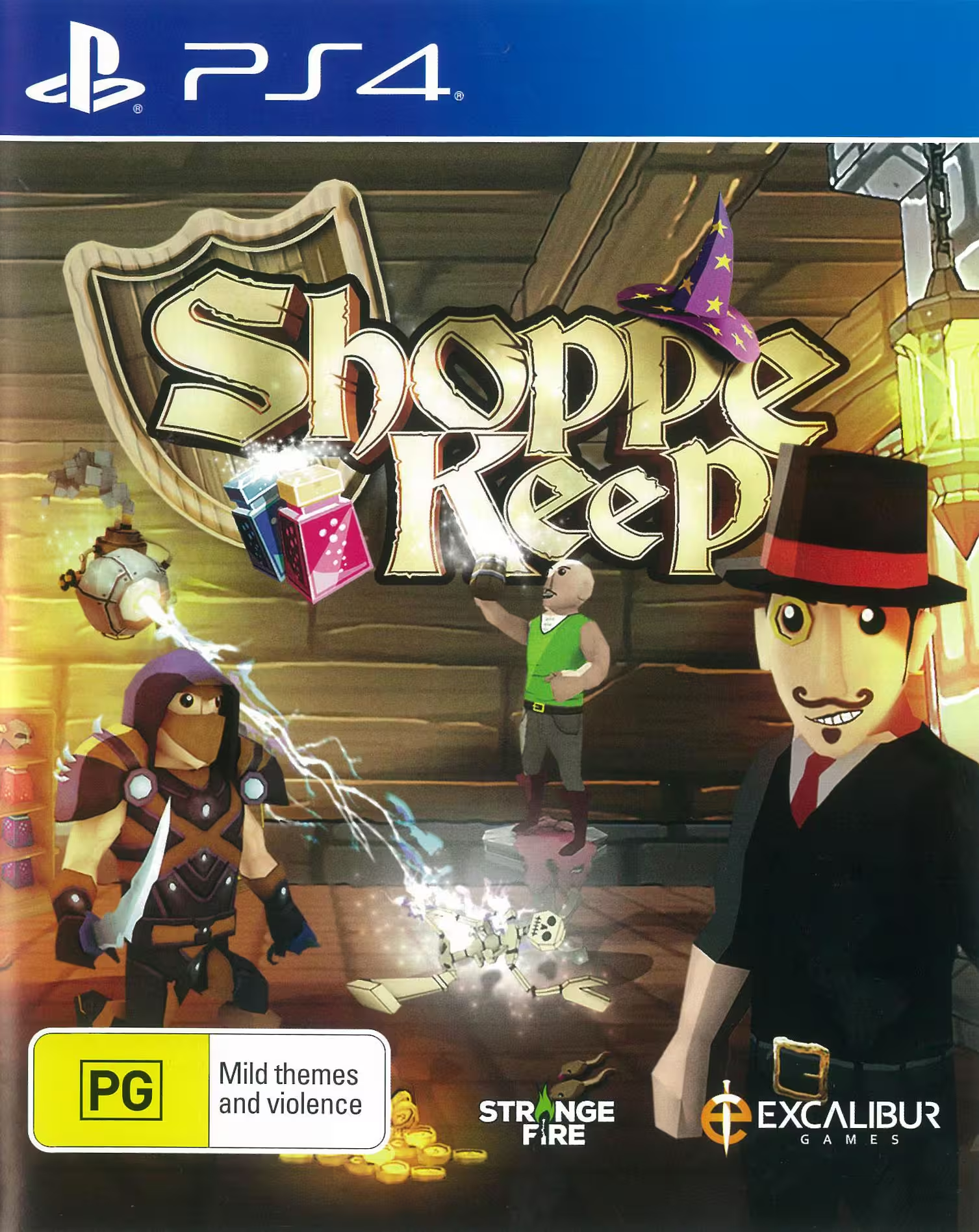
 Front Cover
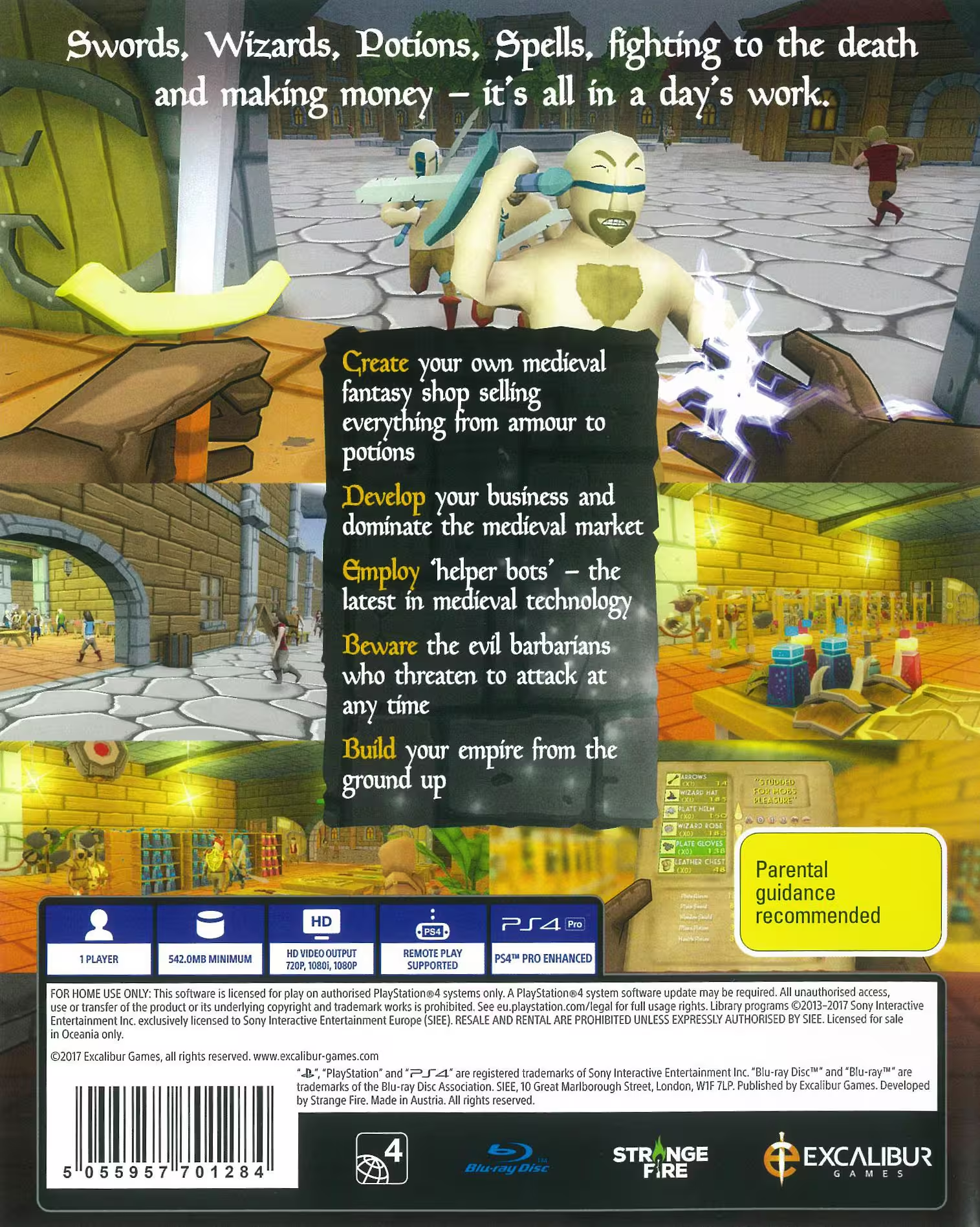
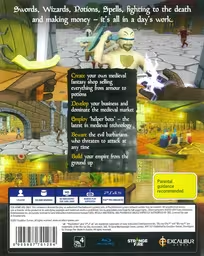 Back Cover
वाणिज्य और दिनचर्या का एक सिमुलेशन, जहाँ व्यापार की लय और चोरी खिलाड़ी के दैनिक प्रदर्शन को परिभाषित करती है।
Shoppe Keep खिलाड़ियों को एक मध्ययुगीन फंतासी दुकान के मालिक के रूप में प्रस्तुत करता है, जहाँ उन्हें अलमारियों में सामान भरने, कीमतें तय करने और ग्राहकों को सेवा देने की जिम्मेदारी निभानी होती है। इसके मैकेनिक्स मांग और आपूर्ति में संतुलन बनाने, थोक विक्रेताओं से सामान खरीदने और उन्हें बिक्री के लिए सजाने के इर्द-गिर्द घूमते हैं। ग्राहक अलग-अलग इरादों के साथ आते हैं; कुछ खरीदारी करने आते हैं तो कुछ चोरी करने, और खिलाड़ी को लाभ के साथ-साथ सुरक्षा का भी प्रबंधन करना होता है। यह गेम पारंपरिक फंतासी मान्यताओं को उलट देता है, जो साहसिक कारनामों से ध्यान हटाकर उस आर्थिक ढांचे पर केंद्रित हो जाता है जो साहसी यात्रियों का समर्थन करता है।खिलाड़ी की भूमिका वीरतापूर्ण नहीं बल्कि प्रबंधकीय है, जो उन सांसारिक दिनचर्याओं पर जोर देती है जो फंतासी अर्थव्यवस्थाओं का आधार हैं। ग्राहकों पर निरंतर नज़र रखने की आवश्यकता विश्वास और संदेह के बीच के तनाव को उजागर करती है, जबकि वस्तुओं की कीमत तय करने का कार्य मूल्य और शोषण के विषयों को सामने लाता है। दुकान एक ऐसा मंच बन जाती है जहाँ व्यापार प्रदर्शन और अनुशासन दोनों है। यह गेम श्रम के उस चक्र में खिलाड़ी को स्थापित करता है जो वास्तविक आर्थिक प्रणालियों को दर्शाता है, साथ ही फंतासी सेटिंग्स में उनके अनुप्रयोग का मजाक भी उड़ाता है। श्रम, पुनरावृत्ति और निगरानी के ये विषय अनुभव को आकार देते हैं।रिलीज़ के समय, रोमांच के बजाय दुकानदारी पर असामान्य ध्यान और हास्य ने काफी उत्साह पैदा किया था। गहराई से देखने पर, यह गेम तकनीकी सीमाओं और दोहराव वाले मैकेनिक्स के साथ काफी सरल है। इसका सीक्वल Shoppe Keep 2 इस आधार को को-ऑपरेटिव प्ले, एक बड़ी शहरी अर्थव्यवस्था और क्राफ्टिंग सिस्टम के साथ बढ़ाता है, जो श्रम और मूल्य की विषयगत जांच को और अधिक खुले ढांचे के भीतर फिर से परिभाषित करता है। इस गेम ने शैलीगत अपेक्षाओं को पलटने और फंतासी दुनिया के पीछे छिपे अनकहे श्रम पर अपनी टिप्पणी के माध्यम से कई अन्य छोटे टाइटल्स को प्रेरित किया है।
| आइटम नाम |
|
|---|---|
| आइटम कोड |
|
| आइटम नंबर |
|
| श्रृंखला | |
| प्रकार | |
| शैली | |
| विशेषताएं | |
| क्षेत्रीय बिक्री | |
| पैकेजिंग | |
| डेवलपर | |
| प्रकाशक | |
| मीडिया प्रकार | |
| खिलाड़ी | |
| पेरिफेरल्स | |
| वीडियो मोड | |
| आयु वर्गीकरण | |
| रिलीज़ तिथि | |
| तारीख जोड़ी गई |
|