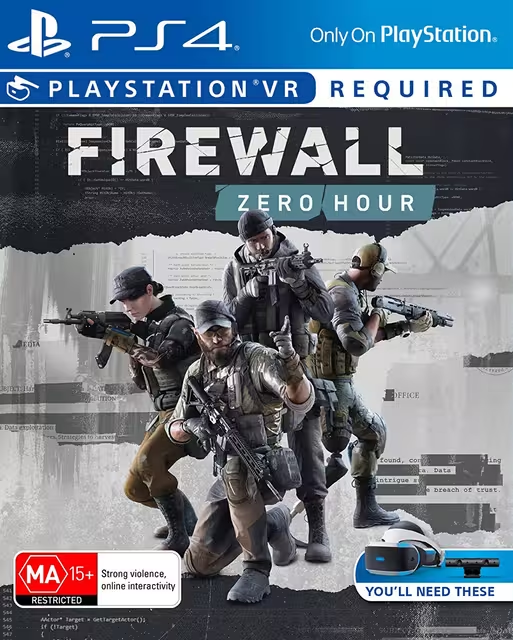
Firewall Zero Hour
CUSA-11182
Video Game Collection
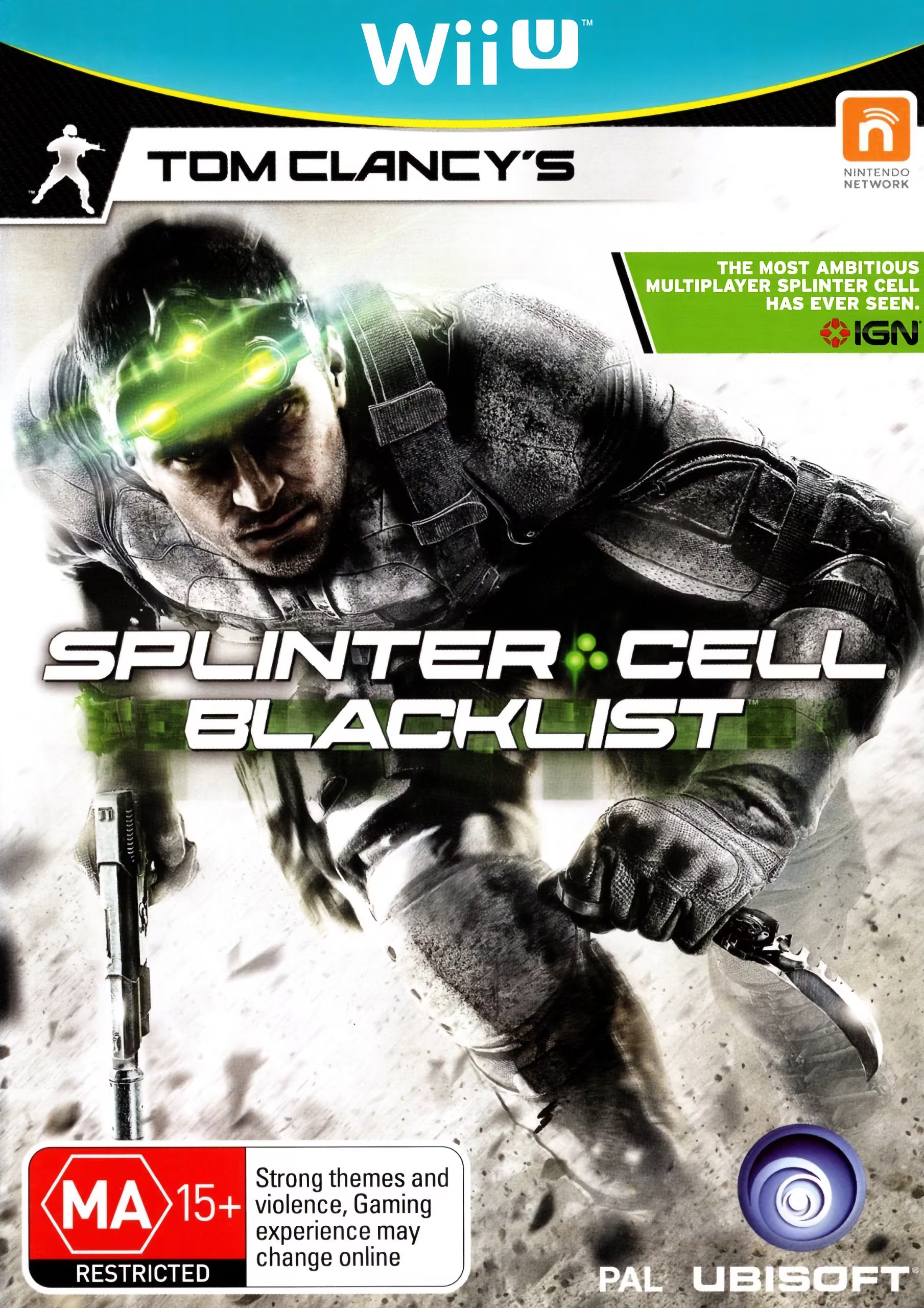
A flexible stealth-action title with missions supporting avoidance, non-lethal takedowns, or direct combat. The Wii U version utilised its touchscreen for inventory management and surveillance equipment.
Tom Clancy’s Splinter Cell: Blacklist follows covert operative Sam Fisher after a terrorist organisation called the Engineers begins a series of escalating attacks against American interests. Operating from the Paladin aircraft as commander of the newly established Fourth Echelon, Sam travels between locations in the Middle East, Europe, Britain, and the United States to identify the organisation’s leaders and prevent further attacks. It retains the characters and events from earlier games without requiring an extensive background, however, Sam’s new appearance and change in voice actor proved divisive.
Gameplay adopts three broad approaches: Ghost rewards peaceful stealth, Panther favours silent lethal takedowns, and Assault scores direct gunfights and explosive force. The game retains mechanics like climbing, cover, extinguishing lights, marking enemies, executing several targets in rapid succession, and gadgets: sticky cameras, sleeping gas, a snake camera, sonar goggles, and the remote tri-rotor drone. Money earned through missions purchases weapons, equipment, upgrades, and improvements for the Paladin, while optional assignments broaden the campaign with survival, infiltration, and cooperative objectives. The returning Spies versus Mercs mode places agile third-person spies against heavily armed first-person mercenaries, although the Wii U edition omits the local split-screen cooperative mode available on other platforms. Despite this loss the Wii U GamePad displays Sam’s equipment and permits direct selection of weapons, goggles, and gadgets without opening a conventional menu. Its screen is also used for the snake camera, sticky cameras, and tri-rotor drone, with motion controls allowing the player to aim or steer certain devices by moving the controller. These features suit the game’s surveillance theme well, and providing a good use of the GamePad hardware.
Reception was generally positive, with the freedom to approach missions in different ways, strong level design, useful range of gadgets, substantial campaign, and combination of classic stealth with the faster movement introduced in Splinter Cell: Conviction. The main weaknesses was the formulaic story, simplified treatment of the series’ history, changed portrayal of Sam Fisher, occasional pressure toward action. The Wii U port was always going to be the weaker port but the GamePad integration is thoughtful rather than essential, providing convenient access to equipment and surveillance tools.
| Item Name |
|
|---|---|
| Item Code |
|
| Item Number |
|
| Series | |
| Type | |
| Genre | |
| Characteristics | |
| Region | |
| Territory | |
| Packaging | |
| Documentation | |
| Developer | |
| Publisher | |
| Media | |
| Players | |
| Peripherals | |
| Middleware | |
| Classification | |
| Launch Price |
|
| Release Date | |
| Date Added |
|