Zelda no Densetsu: Yottsu no Tsurugi+
DOL-G4SJ-JPN
คลังวิดีโอเกม


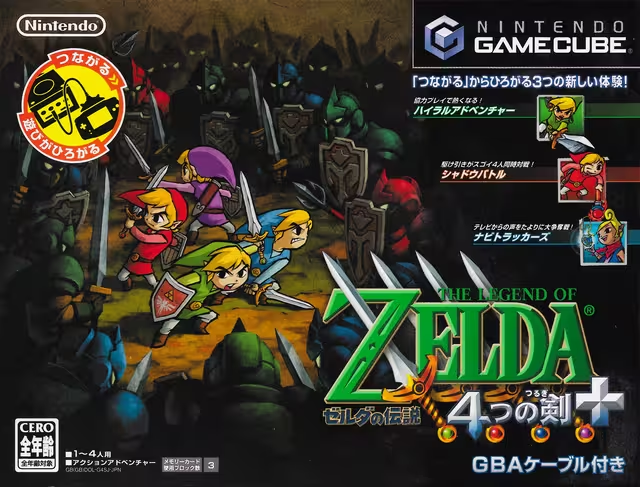
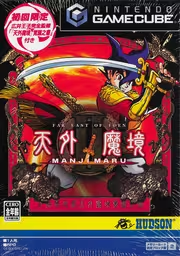 Front Cover
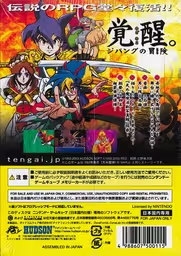 Back Cover
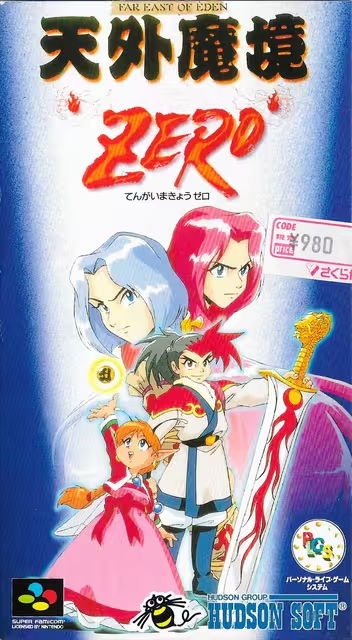
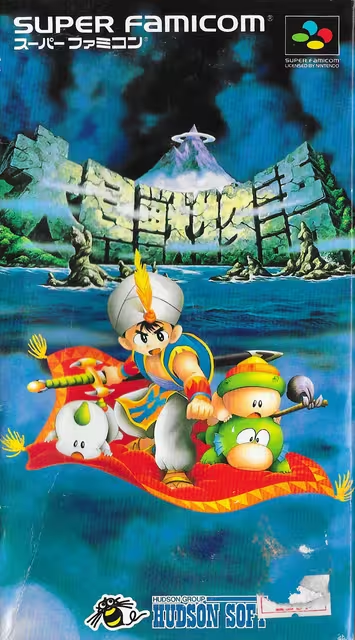
เกมฉบับรีเมคของผลงานระดับตำนานจาก PC Engine Super CD‑ROM² ในปี 1992 มาพร้อมของแถมสำหรับการสั่งซื้อล่วงหน้าเป็น DVD เบื้องหลังการสร้าง Tengai Makyou III
Tengai Makyō II: Manji Maru คือส่วนหนึ่งของความพยายามจาก Hudson Soft ในการปลุกชีพหนึ่งในเกม RPG ที่มีความทะเยอทะยานที่สุดในช่วงต้นทศวรรษ 1990 เกมนี้ขึ้นชื่อในเรื่องงานสร้างที่อลังการ ดนตรีประกอบโดย Joe Hisaishi และการเป็นเกมที่ใช้งบประมาณสูงที่สุดในยุคนั้น สำหรับเวอร์ชันรีเมคในปี 2003 ได้มีการปรับปรุงภาพและเสียงให้ทันสมัยโดยยังคงเนื้อเรื่องอันยิ่งใหญ่ที่เกิดขึ้นในดินแดนตำนานอย่าง จิปัง (Jipang) ซึ่งเป็นสมรภูมิการต่อสู้ชั่วนิรันดร์ระหว่างตระกูลไฟและตระกูลราก
เรื่องราวติดตาม มังจิมารุ เซ็นโงคุ (Manjimaru Sengoku) ผู้สืบเชื้อสายจากตระกูลไฟที่ต้องออกเดินทางผจญภัยหลังจากหมู่บ้านของเขาถูกตระกูลรากโจมตี การเดินทางข้ามเมือง ดันเจี้ยน และเส้นทางในแผนที่โลกยังคงมอบบรรยากาศของการจาริกแสวงบุญ พร้อมด้วยเควสต์รองที่ผูกโยงกับธรรมเนียมท้องถิ่นและตำนานพื้นบ้านที่เน้นย้ำถึงธีมของประเทศที่มีชีวิตด้วยเรื่องราวและพิธีกรรม ระหว่างทางเขาจะได้พบกับสหายผู้มีเอกลักษณ์อย่าง คาบูกิ ดันจูโร่, ทาโร่ โกคุราคุ และ คินุ ระบบปาร์ตี้อาศัยพื้นฐานของคลาสอาชีพที่สมดุลกัน ระบบการเล่นใช้การต่อสู้แบบ Turn-based ที่เน้นเรื่องจังหวะ สถานะผิดปกติ และการจัดการทรัพยากรผ่านอุปกรณ์และคัมภีร์วิชา เกมนี้ผสมผสานกลไก RPG ดั้งเดิมเข้ากับฉากหลังตำนานญี่ปุ่นอย่างกลมกลืน จนกลายเป็นเกมระดับตำนานสำหรับผู้ที่หลงใหลใน JRPG
เนื้อเรื่องแผ่ขยายผ่านจังหวัดต่างๆ ที่เต็มไปด้วยตำนานศาลเจ้า พิธีกรรมตามฤดูกาล และศัตรูจากนิทานพื้นบ้าน บนเครื่อง GameCube ตัวละครและฉากหลังได้รับปรับปรุงเรขาคณิตและพื้นผิวให้สะอาดตาขึ้น รอยต่อในการเข้าสู่ฉากต่อสู้ราบรื่นขึ้น และปรับองค์ประกอบอินเทอร์เฟซให้อ่านง่ายกว่าเดิม เวอร์ชันรีเมคนี้ให้ประสิทธิภาพที่ลื่นไหลกว่าเมื่อเทียบกับ PlayStation 2 ที่มีปัญหาเรื่องเวลาโหลด เกมนี้ไม่เคยลงให้กับ Dreamcast ทำให้ GameCube และ PS2 เป็นเพียงสองคอนโซลที่ได้รับเวอร์ชันอัปเดตนี้ ต่อมาได้มีพอร์ตลง Nintendo DS ในปี 2006 แต่ยังคงวางจำหน่ายเฉพาะในญี่ปุ่นเท่านั้น
การตอบรับในญี่ปุ่นชื่นชมขอบเขตที่กว้างขวาง เนื้อหาที่หยั่งรากลึกในตำนาน และความซื่อสัตย์ต่อต้นฉบับ รวมถึงการเปรียบเทียบประสิทธิภาพการเล่นที่เหนือกว่าเวอร์ชันอื่น นักวิจารณ์สังเกตเห็นว่าโครงสร้างเกมที่ซ้ำซากบางประการจากต้นฉบับยังคงอยู่ ซึ่งทำให้ความกระตือรือร้นของผู้เล่นที่ต้องการการตีความใหม่เชิงลึกลดลงไปบ้าง แต่มองย้อนกลับไป ผลงานนี้ได้รับการยกย่องว่าเป็นหมุดหมายสำคัญของงานฝีมือ RPG ญี่ปุ่นระดับสูงสุด และเป็นความพยายามในการอนุรักษ์ที่ทำให้มหากาพย์ทางวัฒนธรรมชิ้นนี้ยังคงเข้าถึงได้สำหรับคนรุ่นหลัง
| ชื่อรายการ |
|
|---|---|
| ชื่อดั้งเดิม |
|
| รหัสสินค้า |
|
| หมายเลขสินค้า |
|
| จำนวน |
|
| ชุด | |
| ประเภท | |
| แนวเกม | |
| ภูมิภาค | |
| เขตการขาย | |
| บรรจุภัณฑ์ | |
| เอกสารประกอบ | |
| ผู้พัฒนา | |
| ผู้จัดจำหน่าย | |
| ผู้กระจายสินค้า | |
| สื่อ | |
| จำนวนผู้เล่น | |
| อุปกรณ์เสริม | |
| การจัดระดับ | |
| ราคาวางจำหน่าย |
|
| วันวางจำหน่าย | |
| วันที่เพิ่มเข้าไป |
|