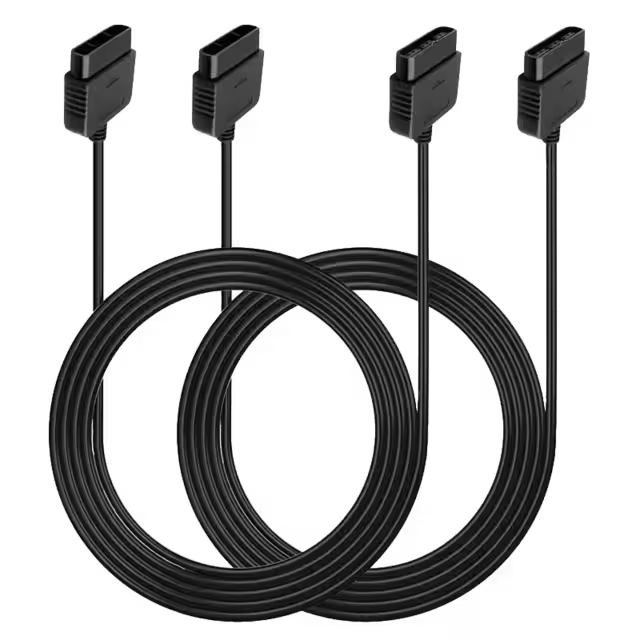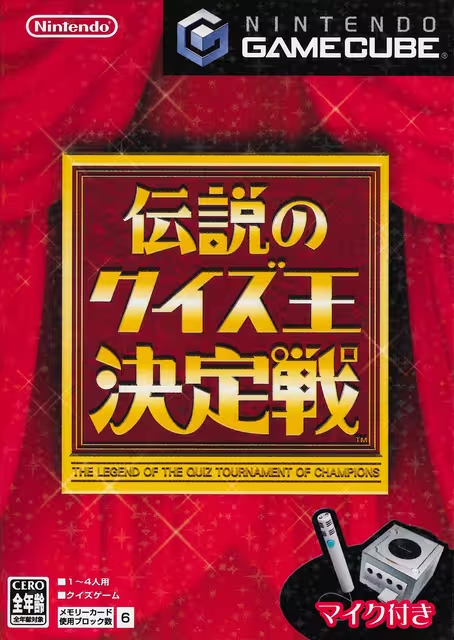
Densetsu no Quiz ou Ketteisen
DOL-GQZJ-JPN
Video Game Collection


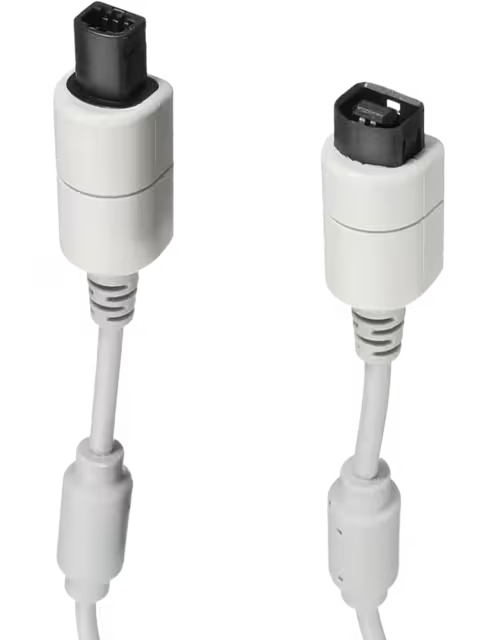
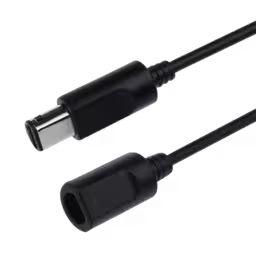 GameCube Controller Extension Cable
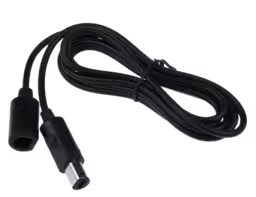 Controller Extension Cable
Generic extension cables to connect peripherals to the GameCube console. These were commonly sold loose, in bulk.
These Controller Extension Cables extend the reach of wired GameCube controllers through Nintendo’s proprietary 6-pin connector. The GameCube controller communicates with the console using a custom high-speed serial communication protocol designed specifically for low-latency input and analog precision. This protocol handles data from the controller’s buttons, triggers, analog sticks, and rumble motor, all transmitted through a single bidirectional data line.
The GameCube controller connector features six pins, providing lines for data, power (5V), ground, and additional control or detection signals. Communication is initiated by the console, which polls each connected controller at regular intervals, sending command packets and receiving the controller’s state in return. Data transmission is digital and uses a single-wire serial interface operating at approximately 2 Mbps, ample for quick and accurate updates of analog input values and vibration control commands. Physically, the connector’s round, keyed design ensures a snug and reliable fit, preventing accidental disconnections during gameplay. Although the communication system is proprietary, it is both efficient and robust, supporting accessories like the WaveBird wireless receiver and third-party input devices.
During the GameCube’s era, controller extension cables were a popular accessory, particularly useful for setups where players sat farther from the console. Today, modern wireless solutions such as Bluetooth adapters and WaveBird alternatives offer similar convenience, but traditional extension cables remain handy for those who prefer original wired controllers or need to position wireless receivers in a more accessible location.
| Item Name |
|
|---|---|
| Original Name |
|
| Item Code |
|
| Quantity |
|
| Type | |
| Class | |
| Color | |
| Date Added |
|