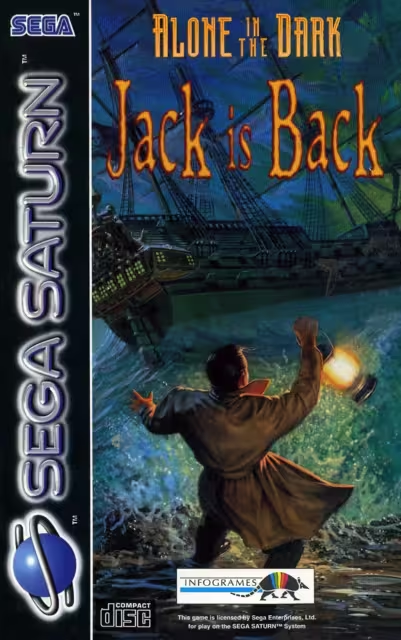
Alone in the Dark: Jack is Back
T-15101H-50
Videojáték-gyűjtemény
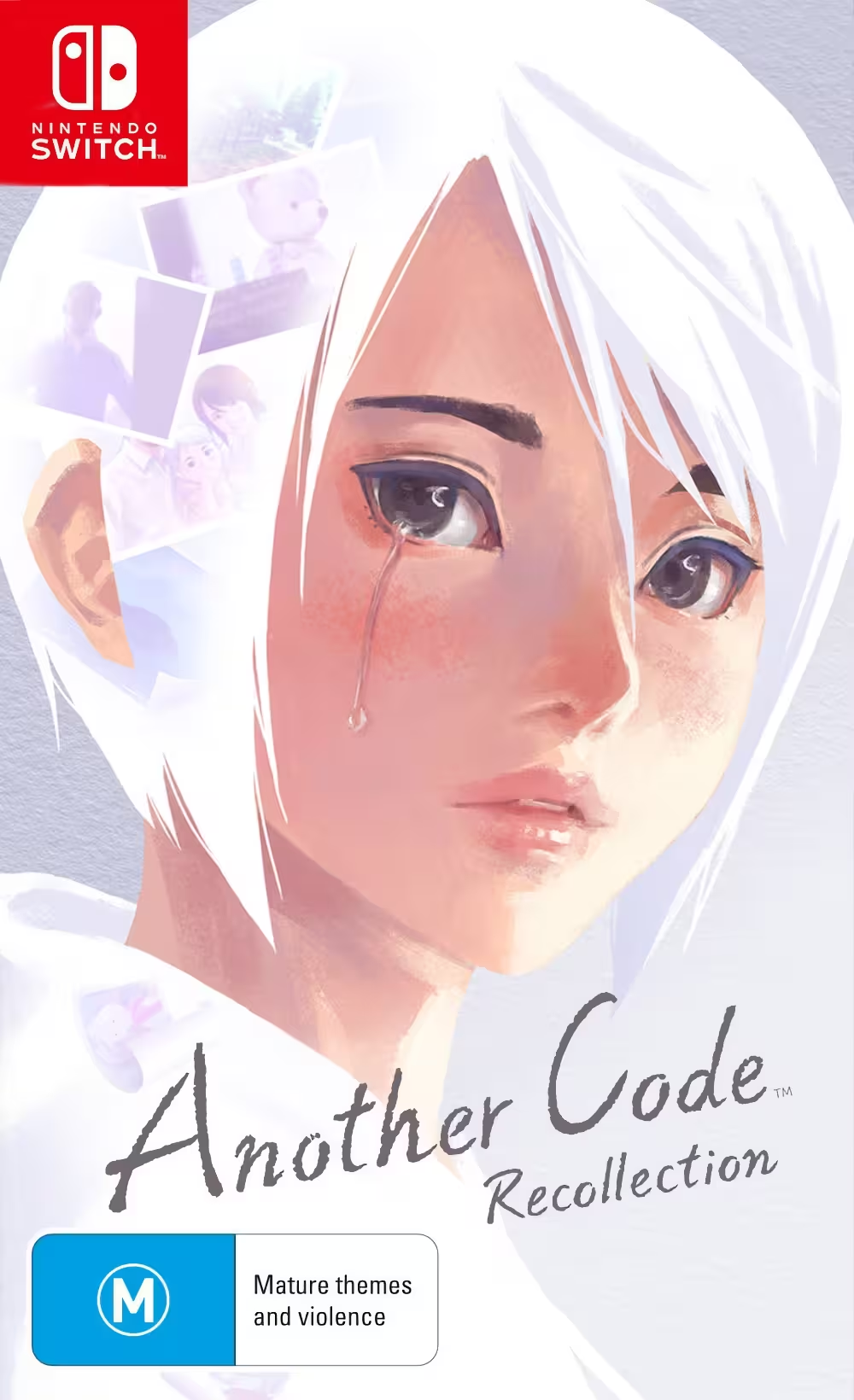
Két misztikus rejtvény-kalandjáték remake-je, amely az emlékezet, az identitás és a családi kötelékek újrafelfedezéséről szól. A két klasszikus cím immár egyetlen, koherens narratívaként jelenik meg.
Az Another Code: Recollection Ashley Mizuki Robins történetét követi nyomon, egyesítve az Another Code: Two Memories (NDS, 2005) és folytatása, az Another Code: R – A Journey into Lost Memories (Wii, 2009) eseményeit egyetlen összefüggő narratívába. Ez a gyűjtemény a szülei körüli rejtélyeket kutató lány útját mutatja be, modernizált látványvilággal, teljesen bejárható 3D-s környezettel, szinkronnal és átdolgozott játékmechanikával a CiNG eredeti alkotásai alapján.
A Two Memories fejezetben Ashley a Blood Edward szigetre utazik, miután levelet kapott halottnak hitt apjától. Itt találkozik D-vel, a szellemfiúval, miközben lassanként feltárulnak a család múltjának sötét titkai. Két évvel később, a Lake Juliet-nél játszódó történetben Ashley édesanyja múltja után kutat. A játék központi elemei az emlékezet, a veszteség és a felfedezés, ahol a természetfeletti találkozások szorosan összefonódnak a személyes drámával.
A Recollection a Nintendo Switch hardverén egységesíti a két címet; immár külső nézetű, 3D-s környezetben fedezhetjük fel a helyszíneket. A játékos a DAS készülékkel fényképezhet, szkennelhet és karakter-életrajzokat érhet el. A második részben a RAS csuklópánt kap szerepet, amely a Lake Juliet környéki zárrendszerekkel lép interakcióba. Bár a párbeszédek megőrizték a vizuális regények stílusát, a szinkron és a képregényszerű panelek modernebbé teszik az élményt. A választható, fokozatos segítségnyújtási rendszer pedig a hozzáférhetőséget hivatott javítani.
Nehéz feladat a Recollection-t közvetlenül összehasonlítani az eredeti DS-játékkal. A remake sikeresen modernizálja a felfedezést, ám bizonyos fejtörők, amelyek korábban a DS egyedi hardverét használták ki, itt egyszerűbbek, a történet hangvételéhez igazodva. Bár a veterán rajongók számára a változások szokatlanok lehetnek, a gyűjtemény méltó módon őrzi meg az eredeti érzelmi töltetet. A CiNG egykori, mára szinte feledésbe merült alkotásai – mint például a Glass Rose – után külön öröm látni, hogy a Nintendo a kisebb, rétegorientált sorozatoknak is új életet ad, közelebb hozva Ashley történetét a mai közönséghez.
| Tétel Neve |
|
|---|---|
| Eredeti Név |
|
| Termékkód |
|
| Vonalkód |
|
| Sorozat | |
| Típus | |
| Műfaj | |
| Téma | |
| Jellemzők | |
| Értékesítési Terület | |
| Csomagolás | |
| Fejlesztő |
|
| Kiadó | |
| Forgalmazó | |
| Adathordozó | |
| Játékosok | |
| Perifériák | |
| Korhatár | |
| Kiadási Ár |
|
| Megjelenés Dátuma | |
| Hozzáadás Dátuma |
|