
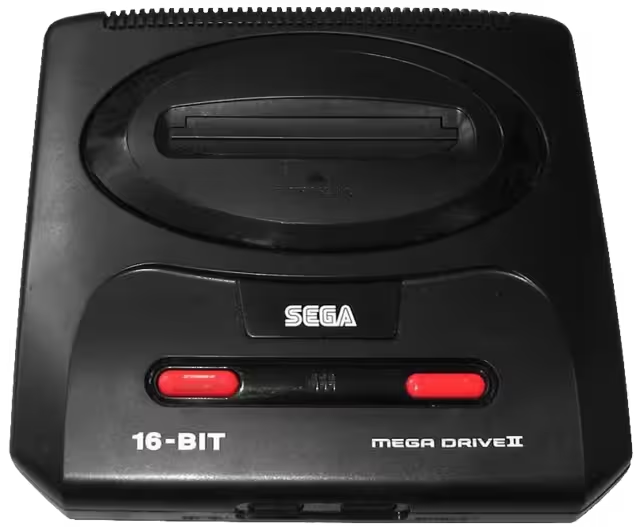
Mega Drive 2
MK-1631-50
Kolekcja Gier Wideo

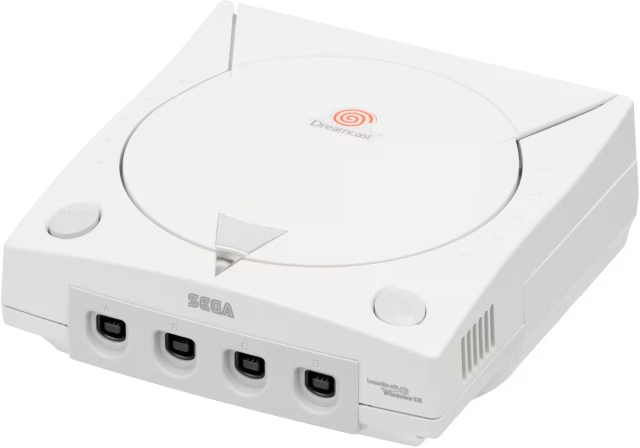
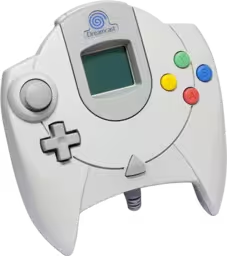
Pierwsza konsola szóstej generacji nastawiona na zaawansowaną grafikę 3D i łączność sieciową, będąca ostatnim rozdziałem Segi na rynku sprzętu domowego. Jest to egzemplarz z dnia premiery w wersji PAL, przeznaczony na rynek australijski.
Dreamcast wyróżnia się kompaktową, białą obudową z ładowanym od przodu napędem GD-ROM, czterema portami na kontrolery oraz zatoką rozszerzeń na akcesoria. Architektura systemu opiera się na 32-bitowym procesorze Hitachi SH-4 RISC taktowanym zegarem 200 MHz oraz układzie graficznym PowerVR2 CLX2, który oferuje sprzętowo akcelerowane renderowanie 3D z obsługą mapowania wypukłości (bump mapping) i wygładzania krawędzi. Pamięć systemowa składa się z 16 MB pamięci RAM, 8 MB VRAM oraz 2 MB pamięci audio, co pozwala na generowanie zaawansowanej oprawy wizualnej i dźwiękowej. Za dźwięk odpowiada układ Yamaha AICA oparty na architekturze ARM7, obsługujący 64 kanały PCM i ADPCM.
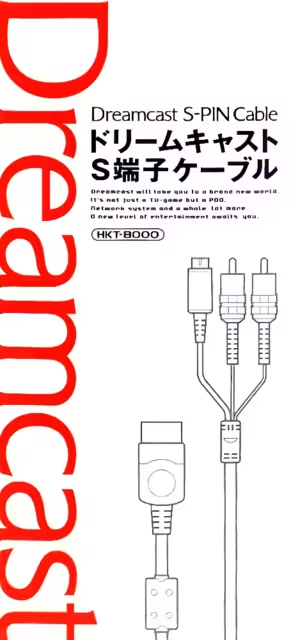
Nośnikiem danych są płyty GD-ROM o pojemności do 1 GB, a zapisy stanu gry przechowywane są na wymiennych Visual Memory Units (VMU), które pełnią również funkcję przenośnych konsol do gier. System obsługuje rozdzielczość do 480p poprzez adaptery VGA, oferując również standardowe wyjścia kompozytowe i RGB. Łączność sieciowa stanowi fundament urządzenia: konsola wyposażona jest w modem, przy czym warianty regionalne oferowały przepustowość 33,6 kbps w Japonii i regionach PAL oraz 56 kbps w Ameryce Północnej, z opcjonalnymi adapterami szerokopasmowymi wprowadzonymi w późniejszym okresie.
Dreamcast od momentu premiery był ceniony za swoje możliwości techniczne, wierne konwersje automatów arcade oraz pionierskie usługi online. Z perspektywy czasu system ten jawi się jako wizjonerska konstrukcja, która wywarła wpływ na projektowanie kolejnych generacji konsol. Mimo krótkiego cyklu życia rynkowego, sprzęt ten zapisał się w historii dzięki innowacjom, unikalnej bibliotece gier i niesłabnącemu kultowi.
Prezentowany egzemplarz to jednostka w standardzie PAL, przeznaczona na rynek australijski, zakupiona krótko po lokalnej premierze. Konsola pochodzi od znajomego, który zarządzał dużym sklepem z grami. Otrzymałem bon kredytowy o wartości 200 dolarów od lokalnego dystrybutora, co miało być częścią nagrody w konkursie. Szczegóły nie były do końca jasne, co z perspektywy czasu wydaje się dość podejrzane. Ponieważ pochodzi z pierwszej partii produkcyjnej, zestaw nie zawierał lokalnej wersji przeglądarki DreamKey. Płyta z przeglądarką nie była gotowa na czas premiery u partnera handlowego dystrybutora i była dosyć późno wysyłana drogą pocztową. Australijski debiut sprzętu był dość skomplikowany i chaotyczny.
| Nazwa Przedmiotu |
|
|---|---|
| Kod Przedmiotu |
|
| Typ | |
| Klasa | |
| Region | |
| Terytorium | |
| Opakowanie | |
| Dokumentacja | |
| Producent Sprzętu | |
| Dystrybutor | |
| Cena w Dniu Premiery |
|
| Data Wydania | |
| Data Dodania |
|