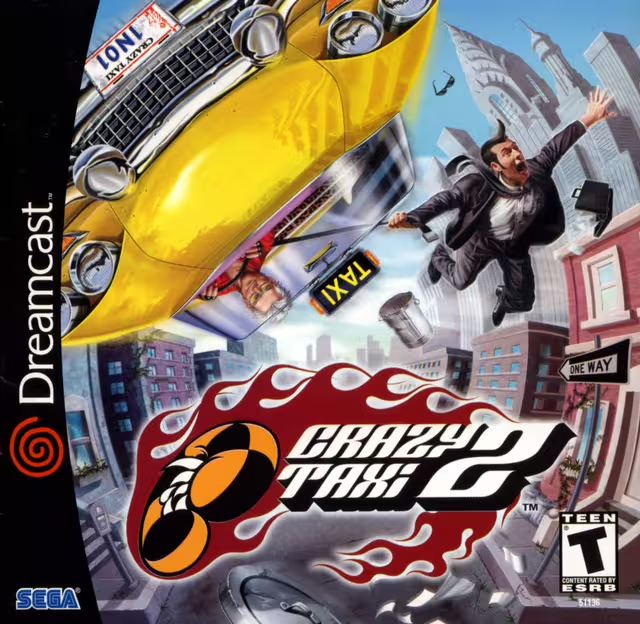
Crazy Taxi 2
51136
Videospielsammlung
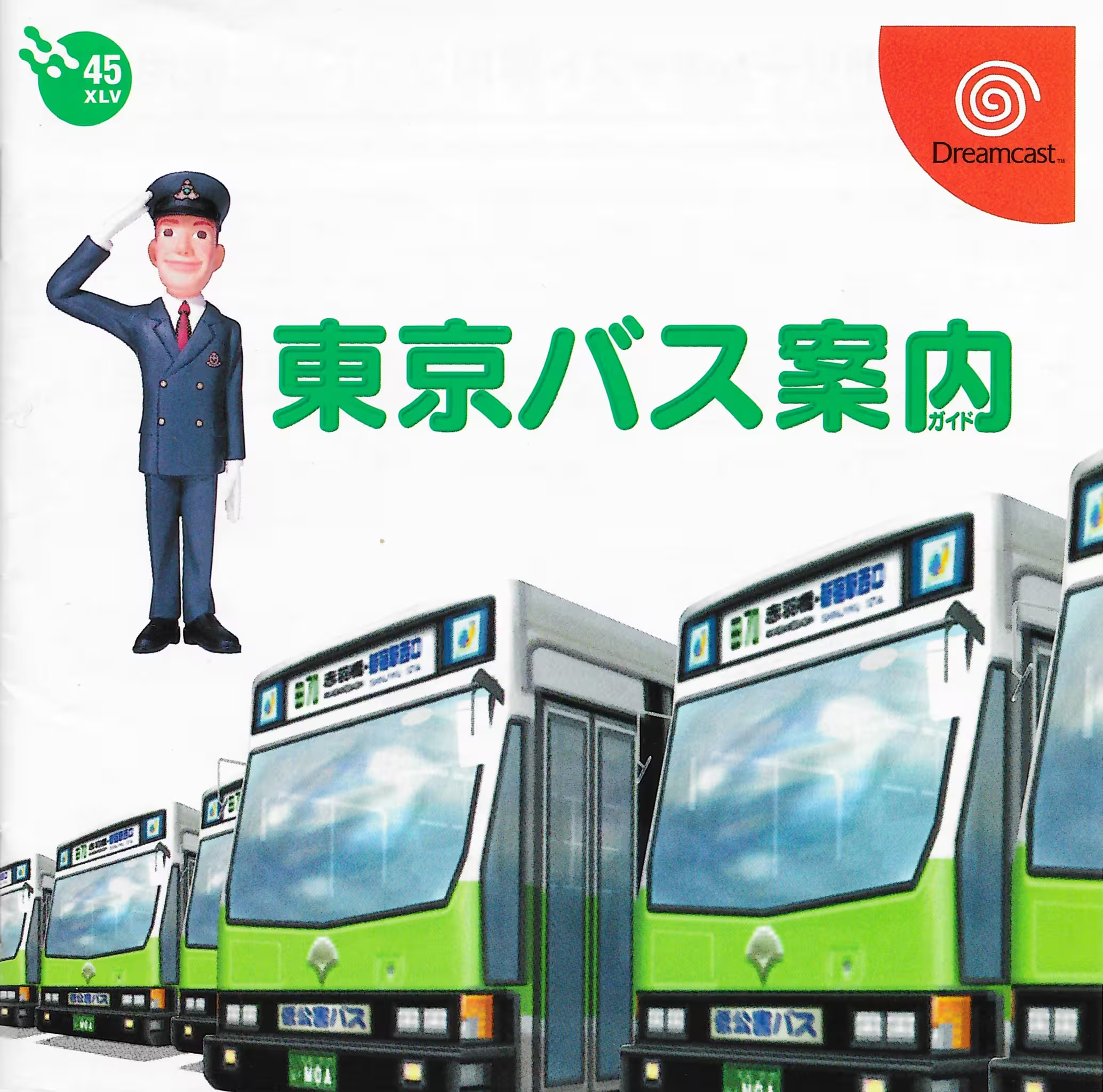
 Front Cover
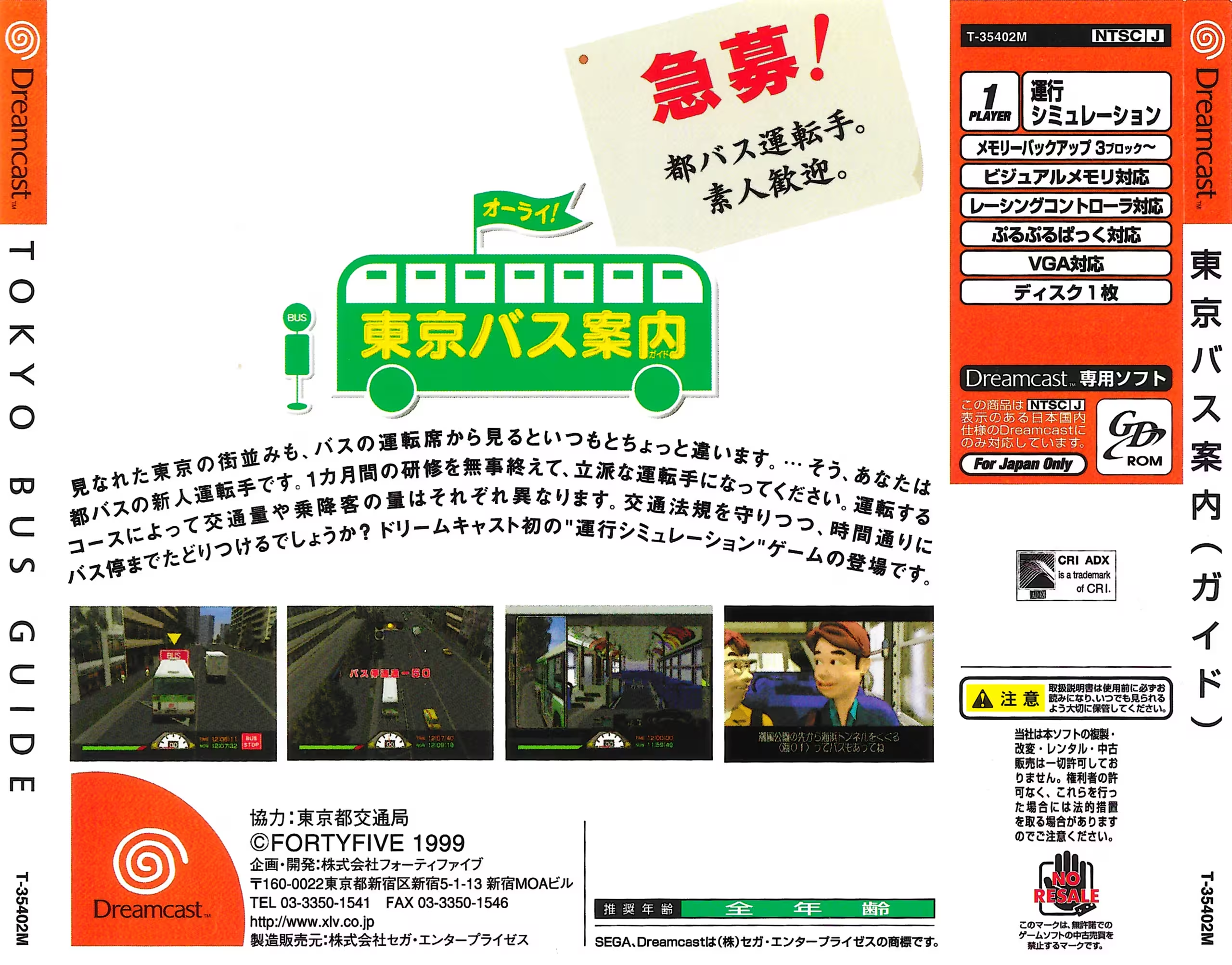
 Back Cover
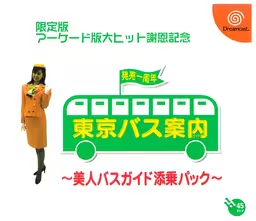
Eine akribische, regelgebundene Bussimulation, die den Alltag hinter dem Steuer in einen anspruchsvollen Test an Präzision und Geduld verwandelt – ein Kultklassiker für Liebhaber ungewöhnlicher Simulationen.
Tokyo Bus Annai fällt in das Nischengenre der Servicesimulationen (unkō simulation), in dem es Ihre Aufgabe ist, alltägliche Pflichten mit höchster Präzision zu erfüllen. Das Spiel bietet eine betont realistische Bussimulation, die den Spieler dazu anhält, Linienbusse durch Tokio zu steuern. Dabei stehen Pünktlichkeit, Sicherheit und die strikte Einhaltung der Verkehrsregeln im Fokus – nicht etwa Geschwindigkeit oder Action. Im Gegensatz zu Rennspielen bestraft Tokyo Bus Annai rücksichtsloses Verhalten wie zu hartes Bremsen, das Verpassen von Haltestellen, das Überfahren roter Ampeln oder Verspätungen. Ziel ist es, Routen reibungslos zu absolvieren, den Komfort der Fahrgäste zu gewährleisten und exakte Zeitpläne einzuhalten. Dieses Spieldesign stellt Geduld und Disziplin über Adrenalin und spiegelt die reale Verantwortung eines professionellen Busfahrers wider.
Das Spielgeschehen findet an originalgetreu nachgebildeten Orten in Tokio statt, wie der Rainbow Bridge oder Odaiba, wobei die Strecken den tatsächlichen Stadtplänen entsprechen. Jede Route folgt strikten Fahrplänen und Verkehrsregeln, was eine genaue Beobachtung von Ampelsignalen, Geschwindigkeitsbegrenzungen und Fahrgastwechselzeiten erfordert. Sie starten am Depot, sammeln Passagiere an ausgewiesenen Haltestellen ein und müssen jeden Punkt exakt nach Zeitplan erreichen. Das Bewertungssystem ist unerbittlich: Plötzliches Bremsen, zu starkes Beschleunigen, das Verfehlen einer Haltestellenmarkierung um wenige Meter oder Verspätungen führen zu Punktabzügen. Sanftheit ist der Schlüssel, denn das Spiel bewertet kontinuierlich, wie wohl sich Ihre Fahrgäste fühlen. Die Steuerung ist auf Präzision ausgelegt: Sie verwalten Beschleunigung, Bremsen, Blinker und die Türsteuerung, während Sie den Verkehr und Ampeln im Auge behalten.
Das Spiel enthielt zudem einen Trainingsmodus, in dem Haltestellen und Manöver vor der Fahrt auf kompletten Routen geübt werden konnten. Neuauflagen enthielten Hinweis-Discs und Werbeextras, doch der Kern blieb bei seinem fordernden Realismus. Später folgte eine Portierung auf die PlayStation 2 und eine Automatenversion auf Basis von Segas NAOMI-Hardware, die bis 2017 im Einsatz war. Die Dreamcast unterstützte Peripheriegeräte wie das Race Controller-Lenkrad, das die Erfahrung näher an ein Arcade-Gehäuse rückte. Das Puru Puru (Vibration) Pack sorgte für haptisches Feedback bei starkem Bremsen oder Bodenwellen und unterstrich den Realismus.
Obwohl das Spiel bei seiner Erstveröffentlichung in japanischen Fachmagazinen eher verhalten aufgenommen wurde, entwickelte es sich zu einem Kultklassiker unter den Simulationsfans. Es ist ein bemerkenswertes Beispiel für ein rein japanisches Experiment im Simulationsdesign, das einen scharfen Kontrast zu den rennorientierten Titeln jener Ära bildet. Ähnliche Spiele, die alltägliche Berufe simulieren, wurden im Westen erst über ein Jahrzehnt später populär, weisen dort jedoch meist einen entspannteren, therapeutischen Ton auf. Tokyo Bus Annai hingegen bleibt eine akribische, regelgebundene Simulation, die den Alltag eines Busfahrers in einen anspruchsvollen Test an Präzision und Geduld verwandelt.
| Artikelname |
|
|---|---|
| Originalname |
|
| Artikelcode |
|
| Artikelnummer |
|
| Typ | |
| Genre | |
| Thema | |
| Region | |
| Gebiet | |
| Verpackung | |
| Dokumentation | |
| Entwickler | |
| Verlag | |
| Medium | |
| Spieler | |
| Peripheriegeräte | |
| Videomodi | |
| Altersfreigabe | |
| Startpreis |
|
| Veröffentlichungsdatum | |
| Hinzugefügt am |
|