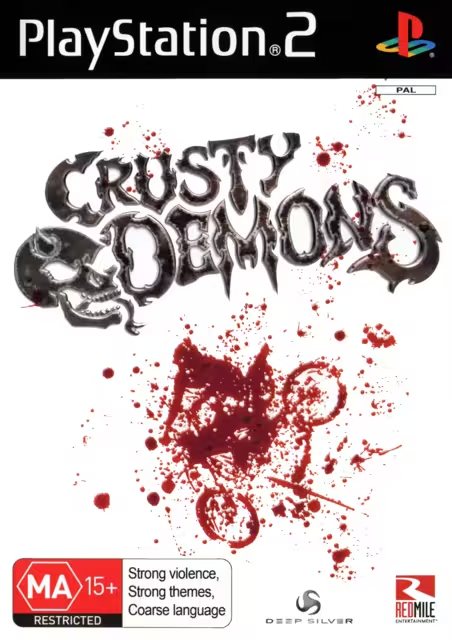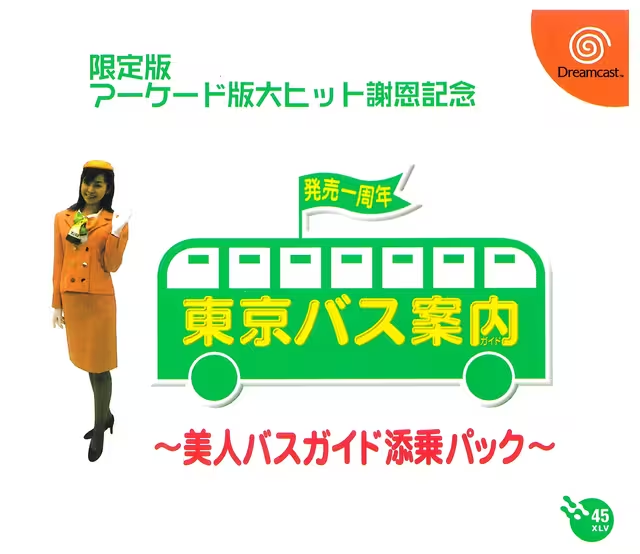
Tokyo Bus Annai: Bijin Bug Guide Tenjou Pack
T-35404M
مجموعة ألعاب الفيديو
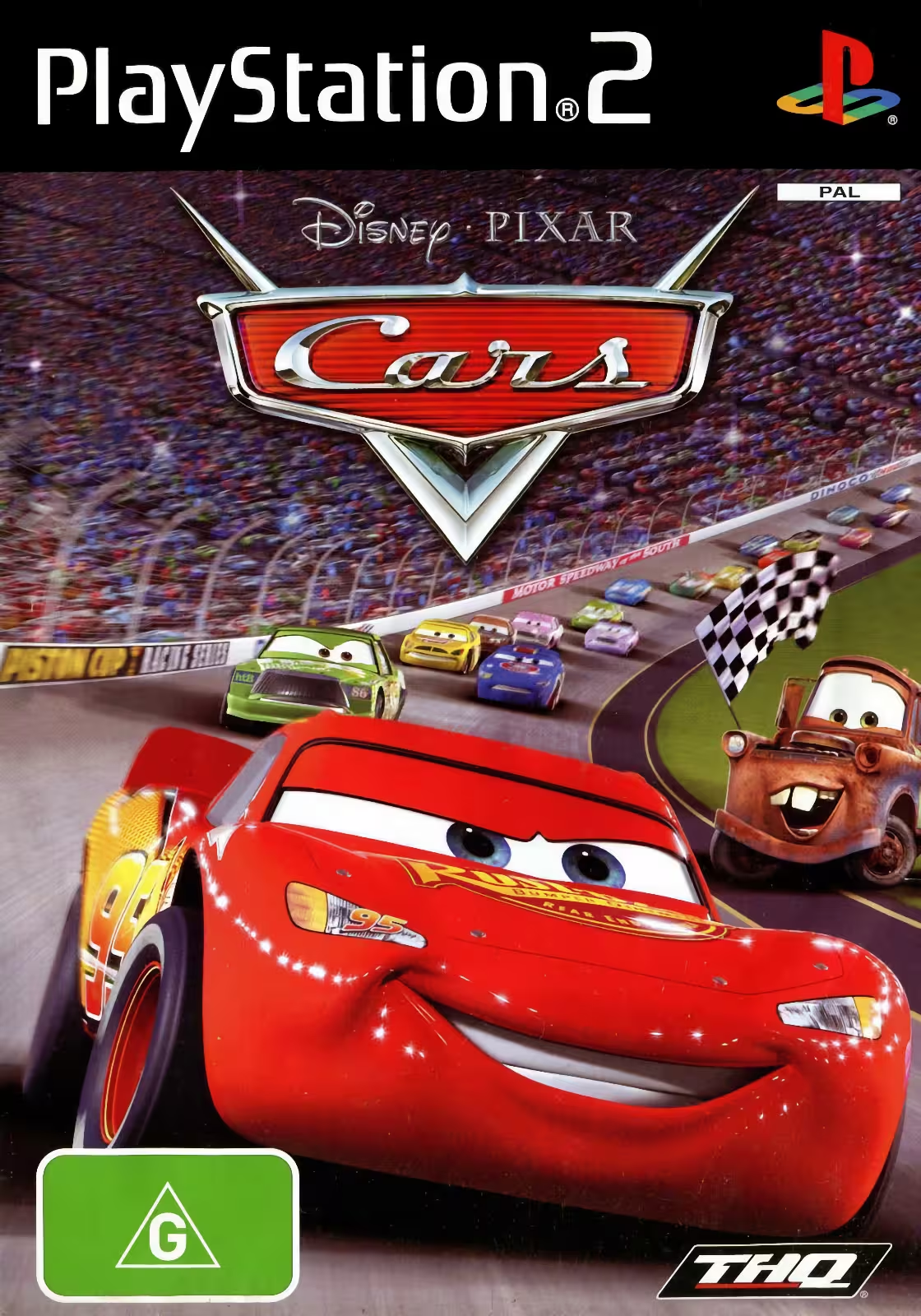
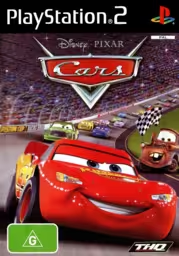 Front Cover
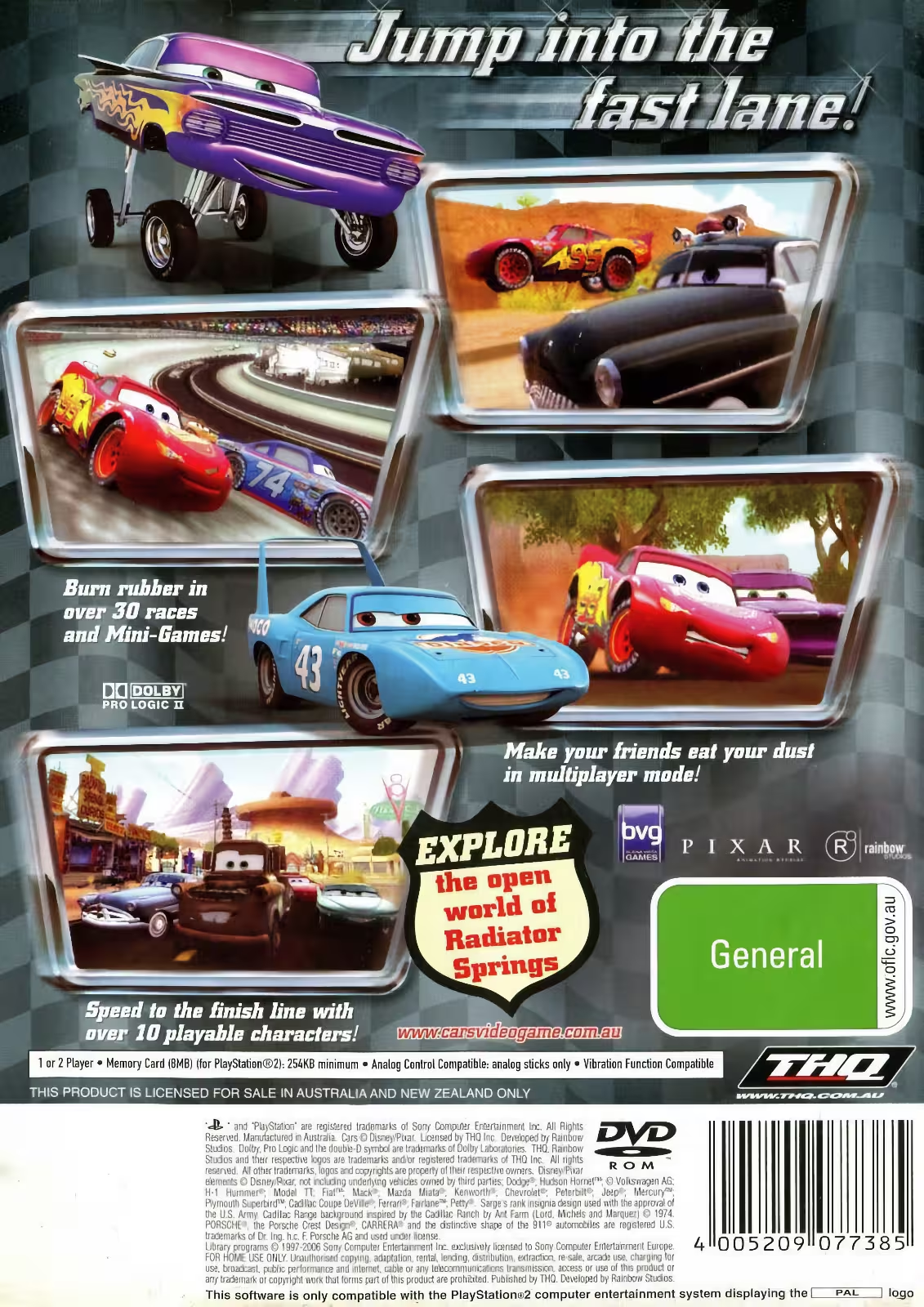
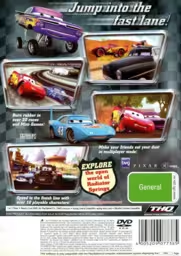 Back Cover
لعبة سباق في عالم مفتوح تركز على الشخصيات وتعمل كتكملة سينمائية لأحداث الفيلم، وتشتهر بأدائها الصوتي الأصلي وتجربتها عالية الجودة التي ميزتها كواحدة من أفضل الاقتباسات في عصرها.
قدمت لعبة Disney•Pixar Cars تحولاً جذرياً في ألعاب الأفلام، حيث لم تكتفِ بإعادة سرد القصة، بل عملت كتكملة قانونية لأحداث فيلم عام 2006. نجح هذا الإصدار في إعادة صياغة عالم ‘رادياتور سبرينغز’ كبيئة سباق مفتوحة، مما منح اللاعبين حرية استكشاف البلدة والصحاري المحيطة بها. مثلت اللعبة خروجاً عن القوالب الخطية المعتادة في ألعاب ذلك الجيل، متجهة نحو تجربة غامرة تركز على الشخصيات ونظام تقدم يشبه ألعاب العالم المفتوح الموجهة للصغار.
تتمحور اللعبة حول موسم ‘برق ماكوين’ الأول في كأس ‘بيستون’ كعضو في مجتمع ‘رادياتور سبرينغز’، حيث تدمج بين سباقات الاحتراف وتحديات المجتمع المحلي. يستكشف اللاعبون عالماً واسعاً لبدء فعاليات متنوعة، مثل ‘قلب الجرارات’ مع ‘ماتر’، وسباقات السرعة، وألعاب مصغرة تبرز تنوع شخصيات البلدة. تتيح اللعبة التحكم في أكثر من عشر شخصيات لكل منها خصائص قيادة فريدة، مع تركيز الحملة الأساسية على تطور ‘ماكوين’. كما تضمنت اللعبة نمط تنافسي للاعبين يتيح التسابق على مضامير مفتوحة باستخدام مركبات الفيلم الأيقونية.
من الناحية التقنية، تم تطوير اللعبة عبر تعاون وثيق بين استوديوهات ‘رينبو’ و’بيكسار’ لضمان مطابقة نماذج الشخصيات وهندسة العالم للفيلم الأصلي. تم تكييف محرك ‘Asphalt’ الذي استخدم سابقاً في سلسلة MX vs. ATV للتعامل مع أسلوب تحريك الشخصيات المرن، وهو إنجاز تقني في جيل سيطرت فيه النماذج الصلبة للمركبات. وبالرغم من معاناتها من تراجع في جودة الملمس ومعدل الإطارات في السباقات المزدحمة، إلا أنها تميزت بأداء صوتي أصلي يضم معظم طاقم الفيلم، مما رفع من جودة التجربة.
حظيت Disney•Pixar Cars باستقبال إيجابي، حيث اعتُبرت واحدة من أرقى الألعاب المقتبسة من أفلام تلك الحقبة. أشاد النقاد بحرية العالم المفتوح وأصالة الأجواء، مع الإشارة إلى أن مستوى الصعوبة صُمم بعناية للفئات العمرية الشابة. حققت اللعبة نجاحاً تجارياً واسعاً كإصدار ‘Platinum’ في أستراليا وأوروبا بفضل قيمتها الترفيهية العالية، مما مهد الطريق لإنتاج تكملة بعنوان Disney•Pixar Cars Mater-National Championship. تظل اللعبة علامة فارقة في اقتباسات ‘بيكسار’، حيث نجحت في تحويل مفهوم المركبات الحية إلى محرك ثلاثي الأبعاد متقن.
| اسم العنصر |
|
|---|---|
| رمز العنصر |
|
| رقم العنصر |
|
| سلسلة | |
| النوع | |
| النوع الأدبي | |
| الموضوع | |
| المنطقة | |
| الإقليم | |
| التغليف | |
| التوثيق | |
| المطور | |
| الناشر | |
| الوسائط | |
| عدد اللاعبين | |
| أنماط الفيديو | |
| أنماط الصوت | |
| التصنيف | |
| تاريخ الإصدار | |
| تاريخ الإضافة |
|