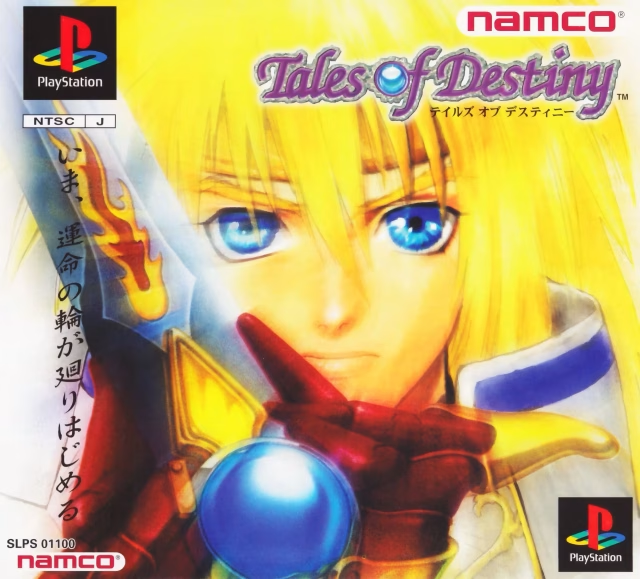
Tales of Destiny
SLPS-01100
مجموعة ألعاب الفيديو


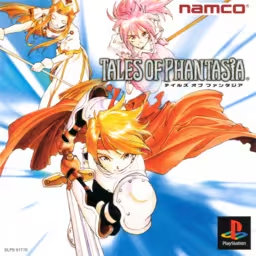 Front Cover
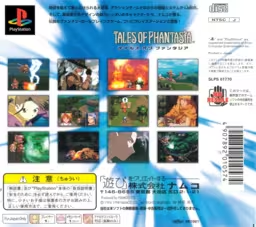 Back Cover
إعادة صياغة نهائية للعبة الـ RPG التأسيسية التي صدرت عام 1995 وأطلقت سلسلة Tales. تستبدل هذه النسخة الخرائط ثنائية الأبعاد ببيئات ثلاثية الأبعاد، وتقدم نظام المحادثات الجانبية (Skits) والمشاهد السينمائية المتحركة، مما ينقل التجربة الأصلية إلى عصر ألعاب الـ 32-بت.
تُعد نسخة PlayStation من لعبة Tales of Phantasia إعادة صياغة شاملة للعنوان الأصلي الذي صدر على جهاز Super Famicom في أواخر عام 1995، وهي حجر الأساس لسلسلة ألعاب Tales الشهيرة من شركة Namco. في الأصل، كانت اللعبة التي طورها فريق Wolf Team معجزة تقنية على جهاز Super Famicom، حيث استغلت سعة خرطوشة 48 ميجابت لتقديم أغنية افتتاحية مغناة بالكامل وتمثيل صوتي رقمي أثناء المعارك، وهو أمر لم يكن مألوفاً تقنياً في ذلك الوقت. جاءت نسخة عام 1998 على جهاز PlayStation لترتقي بالتجربة إلى مستوى جديد كلياً، حيث قدمت خريطة عالم ثلاثية الأبعاد، ومشاهد سينمائية (FMV) جديدة، ومحرك قتال أكثر دقة وضع المعايير التقنية لعصر الـ 32-بت في السلسلة.
تتمحور القصة حول المبارز الشاب كريس ألبين ورفيقته مينت أدينايد، وذلك بعد تدمير قريتهما نتيجة مؤامرة مظلمة لإعادة إحياء ملك الشياطين داوس. وللقضاء على عدو خالد قادر على التنقل عبر الزمن، يتعين على الفريق السفر بين الماضي والحاضر والمستقبل لجمع القوى العنصرية والحلفاء اللازمين لختمه. تشتهر القصة باستكشافها للأبعاد الأخلاقية، لا سيما دوافع داوس والتبعات البيئية لاستهلاك الـ مانا، مما يمزج ببراعة بين عناصر الفانتازيا التقليدية ودراما شخصيات معقدة تمتد عبر الزمن.
ميكانيكياً، قدمت اللعبة نظام القتال الخطي (Linear Motion Battle System – LMBS)، وهو تحول ثوري عن أسلوب القتال المتعاقب الأدوار الذي ساد ألعاب الـ RPG في منتصف التسعينيات. تدور المعارك على مستوى أفقي ثنائي الأبعاد حيث يتحكم اللاعب في الشخصية الرئيسية في الوقت الفعلي، وينفذ هجمات مركبة ومهارات خاصة تُعرف بـ “Artes”، بينما يقدم الحلفاء الذين يتحكم بهم الذكاء الاصطناعي الدعم السحري. يركز النظام على التموضع والتوقيت، مما يفرض على اللاعبين الدفاع بفعالية ضد الهجمات وإدارة المسافة بين الفريق والعدو. عززت نسخة PlayStation هذه الآليات بإضافة شخصية النينجا سوزو فوجيباياشي كعضو قابل للعب، مع تحسين الرسوم المتحركة لتقليل فترات التوقف أثناء إلقاء التعاويذ القوية.
تُعتبر Tales of Phantasia واحدة من أكثر ألعاب الـ RPG طموحاً في جيلها، حيث نجحت في التوفيق بين السرد القصصي الكلاسيكي وأسلوب اللعب المعتمد على الحركة. وبينما تظل نسخة Super Famicom الأصلية أيقونة لعشاق الألعاب نظراً لكونها تحدت قدرات العتاد، يُشار غالباً إلى نسخة 1998 على PlayStation باعتبارها الطريقة الأمثل لخوض هذه التجربة بفضل أدائها المتفوق ومحتواها الموسع. استمر إرث اللعبة عبر إصدارات عديدة على أجهزة Game Boy Advance و PSP، مما رسخ مكانتها كنص تأسيسي حدد فلسفة القتال القائم على الحركة لعقود تلت.
| اسم العنصر |
|
|---|---|
| الاسم الأصلي |
|
| رمز العنصر |
|
| رقم العنصر |
|
| سلسلة | |
| النوع | |
| النوع الأدبي | |
| المنطقة | |
| الإقليم | |
| التغليف | |
| التوثيق | |
| المطور | |
| الناشر | |
| الوسائط | |
| عدد اللاعبين | |
| الأجهزة الطرفية | |
| سعر الإطلاق |
|
| تاريخ الإصدار | |
| تاريخ الإضافة |
|