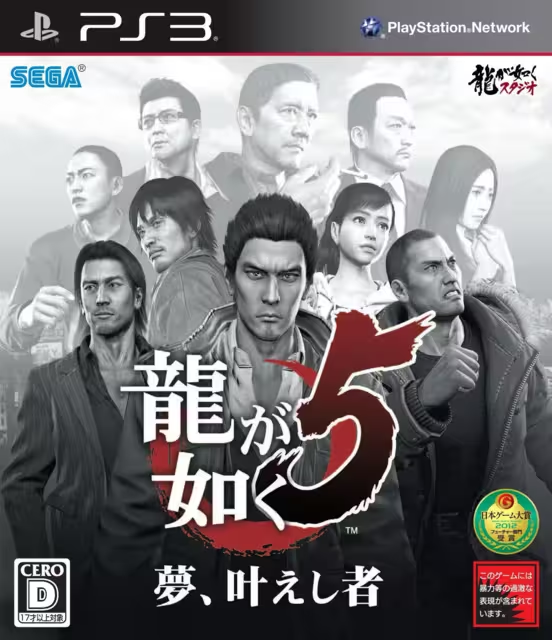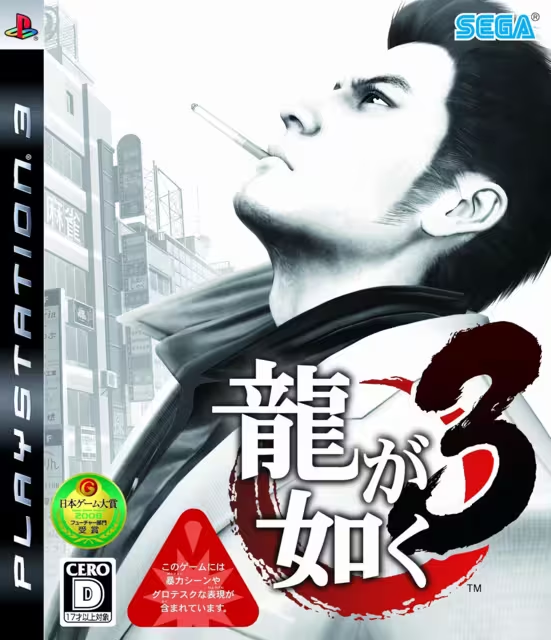
Ryu ga Gotoku 3
BLJM-60132
مجموعة ألعاب الفيديو


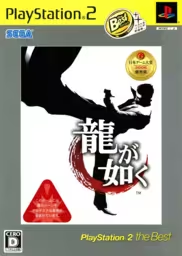 Front Cover
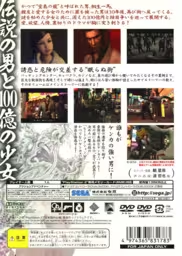 Back Cover
تجربة أكشن ومغامرات رائدة أعادت تعريف نمط العالم المفتوح المحدود في اليابان، حيث دمجت دراما الجريمة الموجهة للبالغين مع تجسيد مفصل بشكل مذهل لمنطقة الترفيه في طوكيو. أبرزت اللعبة القدرة التقنية لجهاز PlayStation 2 على تقديم ملحمة سينمائية تعتمد على السرد، مبتعدة عن توجه المنصة نحو الخيال ومركزة بدلاً من ذلك على الواقعية الحضرية الحديثة. يُعد هذا الإصدار حجر أساس لسلسلة Yakuza العالمية ووضع معياراً جديداً للسرد القصصي الناضج في الألعاب اليابانية.
تُقدم لنا لعبة Ryu ga Gotoku شخصية كازوما كيريو، وهو عضو رفيع المستوى في الياكوزا يتحمل مسؤولية جريمة قتل ارتكبها زعيمه، ليخرج بعد عشر سنوات من السجن إلى عالم في كاموروتشو لم يعد يألفه. تغوص القصة في مفاهيم الولاء وهشاشة الروابط الأخوية والبحث عن الخلاص، بينما يُجر كيريو إلى مؤامرة تتعلق بعشرة مليارات ين مسروقة من عشيرة توجو. تتسم أجواء اللعبة بإعادة تجسيد مكثفة ومفعمة بأضواء النيون لمنطقة كابوكيتشو في شينجوكو، وهي مليئة بالمتاجر الواقعية والأزقة الضيقة وشعور مستمر بالتوتر الحضري. تشتهر اللعبة بطاقم تمثيل صوتي ياباني بارز وبسيناريو ساهم فيه الروائي سيشو هاسي لضمان مستوى من الواقعية القاسية التي نادراً ما شوهدت في الألعاب في ذلك الوقت.
يعتمد أسلوب اللعب على نظام قتال عنيف يعتمد على البيئة المحيطة، حيث يستخدم اللاعبون كل شيء من الدراجات إلى مقاعد الحدائق لتنفيذ حركات الـ “Heat Actions” الوحشية بمجرد امتلاء مقياس الروح. من أبرز الميزات التقنية الدمج السلس لأكثر من 50 قصة جانبية، والتي توفر توازناً إنسانياً وأحياناً فكاهياً في مواجهة الدراما السياسية الثقيلة للمهمة الرئيسية. كما تتميز اللعبة بنظام عميق لتطوير الشخصية حيث يستثمر اللاعبون نقاط الخبرة في “الروح” و”التقنية” و”الجسد” لفتح تقنيات فنون قتالية جديدة وزيادة القدرة على التحمل. يتفاعل اللاعبون مع مدينة حية تحتوي على ألعاب مصغرة وظيفية مثل أقفاص الضرب، وصالات القمار، ونوادي المضيفات التي تمثل بصمة السلسلة، وكلها تدفع أداء جهاز الـ PS2 إلى أقصى حدوده من خلال الحشود الكثيفة والإضاءة المحيطة.
استلهمت اللعبة دروسها من مجموعة متنوعة من الأعمال السابقة؛ حيث لم يكن التأثير الأساسي لعبة فيديو أخرى، بل أفلام الـ V-Cinema وأفلام الياكوزا في التسعينيات، وتحديداً أعمال مخرجين مثل كينجي فوكاساكو (Battles Without Honor and Humanity) وتاكاشي ميكاي. وبسبب التركيز على التفاصيل الحضرية، اقترح البعض أن Shenmue كانت مصدراً للإلهام، لكن ربما كانت أيضاً بمثابة تحذير حول كيفية إدارة نطاق المشروع. تركز Ryu ga Gotoku على منطقة واحدة فائقة الكثافة لضمان شعور كل زقاق بالحيوية مع تحقيق إبهار تقني على أجهزة PS2 المحدودة. بالإضافة إلى ذلك، جاء تأثير عملي من لعبة الأركيد الخاصة بشركة سيجا Spikeout، حيث وفرت لعبة القتال ثلاثية الأبعاد لعام 1998 الحمض النووي الميكانيكي لقتال كيريو؛ فالهجمات المشحونة وطريقة التعامل مع الأعداء والتحكم في الحشود في فضاء ثلاثي الأبعاد كانت تطورات تقنية مباشرة لمحرك Spikeout، تم تكييفها لتجربة قصصية على الكونسول.
من الجدير بالذكر أن هذه الطبعة الاقتصادية من Ryu ga Gotoku تضمنت قرص DVD إضافي، وهي استراتيجية تسويقية نادرة وجريئة ضمن سلسلة “PlayStation 2 the Best” اليابانية التي كانت تكتفي عادة باللعبة الأساسية. وعلى عكس الإضافة الأولى لعام 2005 التي ركزت على ترسيخ طابع “السينما السوداء للبالغين”، عمل قرص النسخة المكررة كجسر ترويجي رفيع المستوى للجزء الثاني لعام 2006، حيث احتوى على “ملخص للقصة” لتعريف اللاعبين الجدد برحلة كازوما كيريو، إلى جانب لقطات حصرية من Ryu ga Gotoku 2، مستعرضة منطقة أوساكا الجديدة والخصم ريوجي جودا. ومن خلال دمج هذا الأرشيف التقني والقصصي مع نسخة اقتصادية، حولت سيجا هذه الإصدارات إلى دفعة قوية لملحمة العالم السفلي الناشئة.
أشاد النقاد وقت صدور اللعبة بأسلوبها القاسي للبالغين ومستوى التفاصيل المذهل في بيئتها الحضرية، التي بدت أكثر واقعية وحيوية من المنافسين في ذلك الوقت. أشار المراجعون إلى أن المزيج بين الإخراج السينمائي والقتال العنيف خلق تجربة تضاهي مشاهدة فيلم نوار ياباني عريق. وبينما تميزت النسخة اليابانية الأصلية بكاميرا ثابتة وأوقات تحميل طويلة بين الاستكشاف والقتال، احتفى الاستقبال العام بأصالتها الثقافية وثقلها العاطفي. تُذكر اللعبة اليوم باعتبارها “العام صفر” لسلسلة Like a Dragon، حيث وثقت حقبة محددة من الثقافة اليابانية في منتصف العقد الأول من الألفية بدقة منقطعة النظير.
| اسم العنصر |
|
|---|---|
| الاسم الأصلي |
|
| رمز العنصر |
|
| رقم العنصر |
|
| سلسلة | |
| النوع | |
| النوع الأدبي | |
| خصائص | |
| المنطقة | |
| الإقليم | |
| التغليف | |
| التوثيق | |
| المطور | |
| الناشر | |
| الوسائط | |
| عدد اللاعبين | |
| التصنيف | |
| سعر الإطلاق |
|
| تاريخ الإصدار | |
| تاريخ الإضافة |
|