Astro Bot
PPSA-21567
Coleção de Jogos
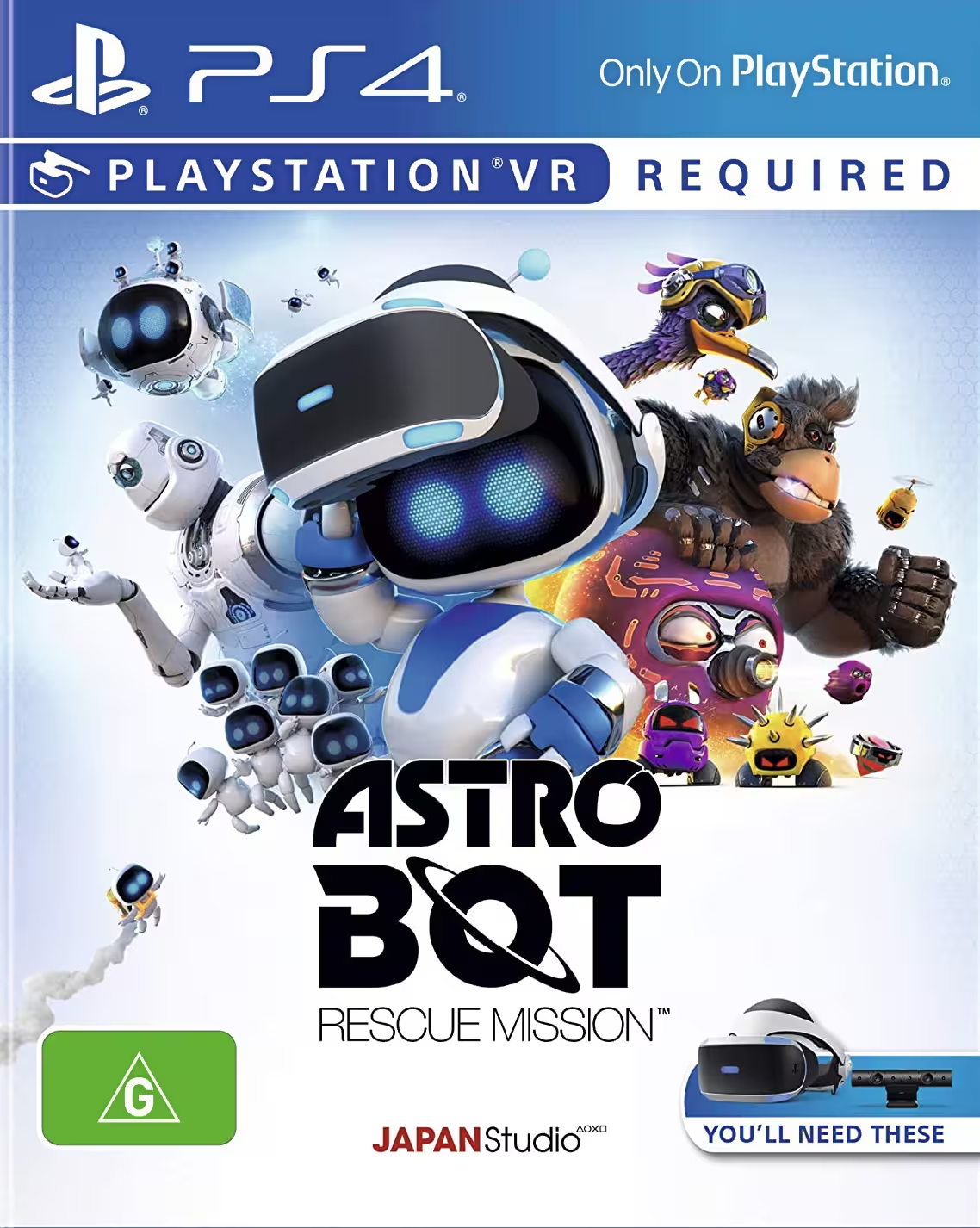
Uma experiência contagiante de plataformas em realidade virtual, que reinventa a mecânica clássica de saltar e correr ao colocar o jogador dentro do próprio mundo, integrando a observação e a presença física na jogabilidade.
Astro Bot: Rescue Mission nasceu de um pequeno mini-jogo chamado Robot Rescue, integrado em The Playroom VR. O sucesso foi tão notável que a Sony expandiu o conceito para uma aventura completa. Os jogadores guiam o pequeno robô Astro através de vinte níveis, distribuídos por cinco mundos temáticos, com a missão de resgatar os membros da tripulação dispersos. O que separa este título dos plataformas convencionais é a forma como a perspetiva do jogador se torna parte fundamental do design: é necessário olhar para trás de esquinas, inclinar-se sobre precipícios e até usar a própria cabeça para destruir obstáculos, enquanto o comando DualShock se transforma em engenhocas como ganchos ou canhões de água. O resultado é uma fusão entre plataformas em terceira pessoa e a imersão da primeira pessoa que apenas a VR conseguiria proporcionar.
O jogo foca-se menos numa narrativa densa e mais na descoberta e no sentido de companheirismo entre o Astro e a sua tripulação. O seu encanto reside em transmitir ao jogador a sensação de ser um gigante benevolente que zela por um pequeno herói, criando um vínculo lúdico. No panorama da VR, este título é frequentemente citado como a prova de que o meio consegue oferecer experiências completas e polidas, superando a era das meras demonstrações técnicas.
Comparativamente a contemporâneos como Super Mario Odyssey ou Lucky’s Tale, destaca-se pela utilização do headset não como um gimmick, mas como um princípio central de design. A receção foi entusiástica, com críticos e jogadores a elogiar a criatividade, a variedade de níveis e a pura alegria que o jogo transmite, consolidando-o como um marco definidor do PlayStation VR.
| Nome do item |
|
|---|---|
| Nome original |
|
| Código do item |
|
| Número do item |
|
| Série | |
| Tipo | |
| Género | |
| Tema | |
| Características | |
| Território | |
| Embalagem | |
| Documentação | |
| Desenvolvedor | |
| Editor | |
| Distribuidor | |
| Mídia | |
| Jogadores | |
| Periféricos | |
| Modos de vídeo | |
| Classificação | |
| Data de lançamento | |
| Data de adição |
|