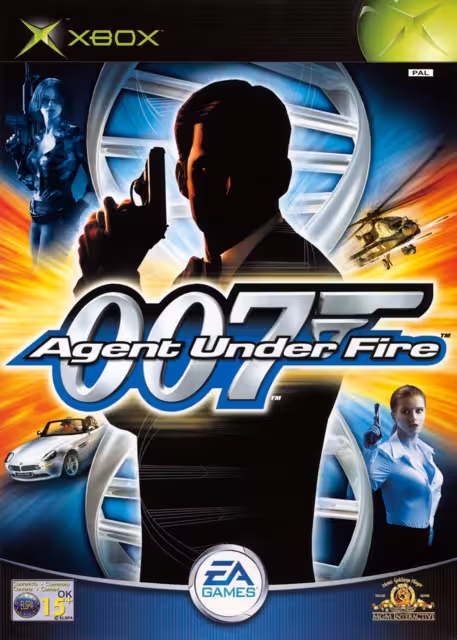
James Bond 007: Agent Under Fire
EA-07403281, EA-013
Koleksyon ng Video Game

Isang teknikal na tagumpay na nagtulak sa hangganan ng hardware ng Nintendo 64, na naghatid ng mabilis na aerial combat experience na nagpakita ng cinematic scale ng Star Wars universe. Nagbibigay ito ng arcade-style na flight action at technical fidelity kaysa sa mga kumplikadong cockpit simulation ng mga laro sa PC noong panahon nito.
Ang Star Wars: Rogue Squadron ay isang de-kalidad na lisensyadong laro para sa Nintendo 64 at PC, na direktang hango sa tanyag na snowspeeder level mula sa Shadows of the Empire noong 1996. Sa halip na maging isang kumplikadong space simulation tulad ng seryeng X-Wing o TIE Fighter sa PC, pinili ng titulong ito ang mabilis at madaling laruin na arcade-style action. Nagaganap ang kuwento sa pagitan ng A New Hope at The Empire Strikes Back, kung saan gagampanan ng manlalaro ang papel ni Luke Skywalker, na namumuno sa mga elite pilot ng Rebel Alliance sa mga planetary strike laban sa Galactic Empire.
Ang gameplay ay nagtatampok ng matinding air-to-ground at air-to-air combat na nakabase sa mga layunin. Umuusad ang laro sa pamamagitan ng mga search-and-destroy, escort, at reconnaissance missions sa 16 na natatanging planetary levels, mula sa mga disyerto ng Tatooine hanggang sa mabatong terrain ng Sullust. Maaaring magpalipad ang mga manlalaro ng mga sasakyang tulad ng X-wings, Y-wings, A-wings, V-wings, at snowspeeders, na bawat isa ay may kanya-kanyang bilis, shielding, at armas. Kinikilala ang laro dahil sa matibay at replayable na medal system nito, na sumusukat sa bilis, accuracy, at dami ng mga target na napabagsak ng manlalaro. Ang pagkamit ng bronze, silver, o gold medals ay nagbubukas ng mga hidden bonus levels (tulad ng iconic na Death Star Trench Run at ang karera sa Beggar’s Canyon), pati na ang mga secret vehicles gaya ng Millennium Falcon at isang shield-less na TIE Interceptor.
Ang pagkakabuo ng laro ay nagpapakita ng lumalalim na pag-unawa sa arkitektura ng Nintendo 64. Halimbawa, gumamit ang Factor 5 ng custom at advanced na microcode para lampasan ang standard audio limitations ng N64, na nagbigay-daan sa paglalagay ng hindi pa nakikitang dami ng de-kalidad at digitized na boses sa cartridge. Kapansin-pansin din ang makabagong integration nito sa Expansion Pak; ang Rogue Squadron ay isa sa mga unang titulo na gumamit ng 4MB RAM upgrade, na nagpataas sa standard na 320×240 resolution tungo sa malinaw at high-resolution na 640×480 display. Kilala rin ang laro sa isang mahusay na paraan ng cross-promotion: itinampok nito ang Naboo N-1 Starfighter mula sa The Phantom Menace, na nakatago sa likod ng isang multi-layered cheat code na pinanatiling lihim ng LucasArts hanggang sa ipalabas ang pelikula makalipas ang anim na buwan.
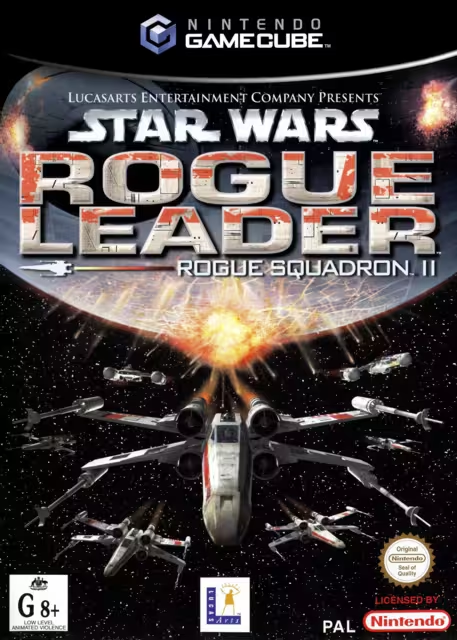
Paglabas nito, nakatanggap ang Star Wars: Rogue Squadron ng malawakang papuri mula sa mga kritiko at malaking tagumpay sa komersyo, kung saan ito ang naging pangalawang pinakamabentang laro noong 1998 US holiday season, kasunod ng The Legend of Zelda: Ocarina of Time. Pinuri ng mga magazine reviewers ang napakahigpit na analogue flight controls, ang nakamamanghang high-resolution graphics, at ang cinematic sound design. Gayunpaman, mayroon itong kapansin-pansing maikling draw distance na tinatakpan ng makapal na fog. Kapansin-pansin din ang kawalan ng multiplayer mode, na itinuturing na malaking pagkukulang. Sa paglipas ng panahon, kinikilala ito bilang isang landmark na Star Wars title na naglatag ng pundasyon para sa mga sumunod nitong mahusay na sequel sa GameCube, ang Rogue Leader at Rebel Strike.
| Pangalan ng Item |
|
|---|---|
| Kode ng Item |
|
| Numero ng Item |
|
| Serye | |
| Uri | |
| Genre | |
| Rehiyon | |
| Teritoryo | |
| Pakete | |
| Dokumentasyon | |
| Developer | |
| Publisher | |
| Distributor | |
| Media | |
| Mga Manlalaro | |
| Mga Peripheral | |
| Klasipikasyon | |
| Petsa ng Paglunsad | |
| Petsa ng Pagdagdag |
|