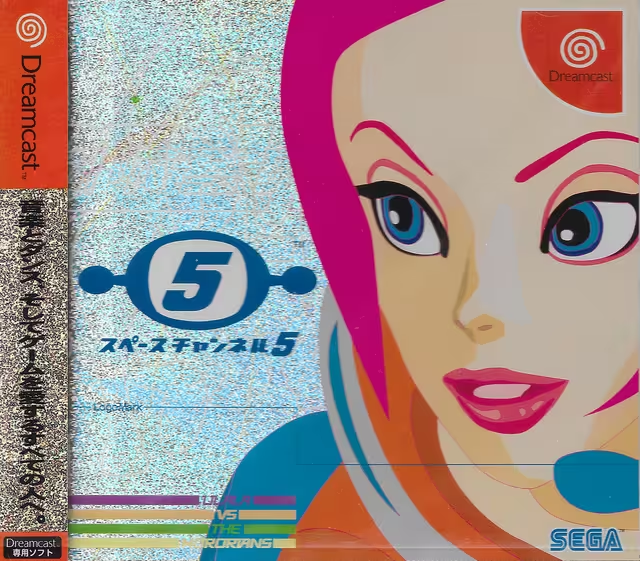
Space Channel 5
HDR-0029
Video Game Collection
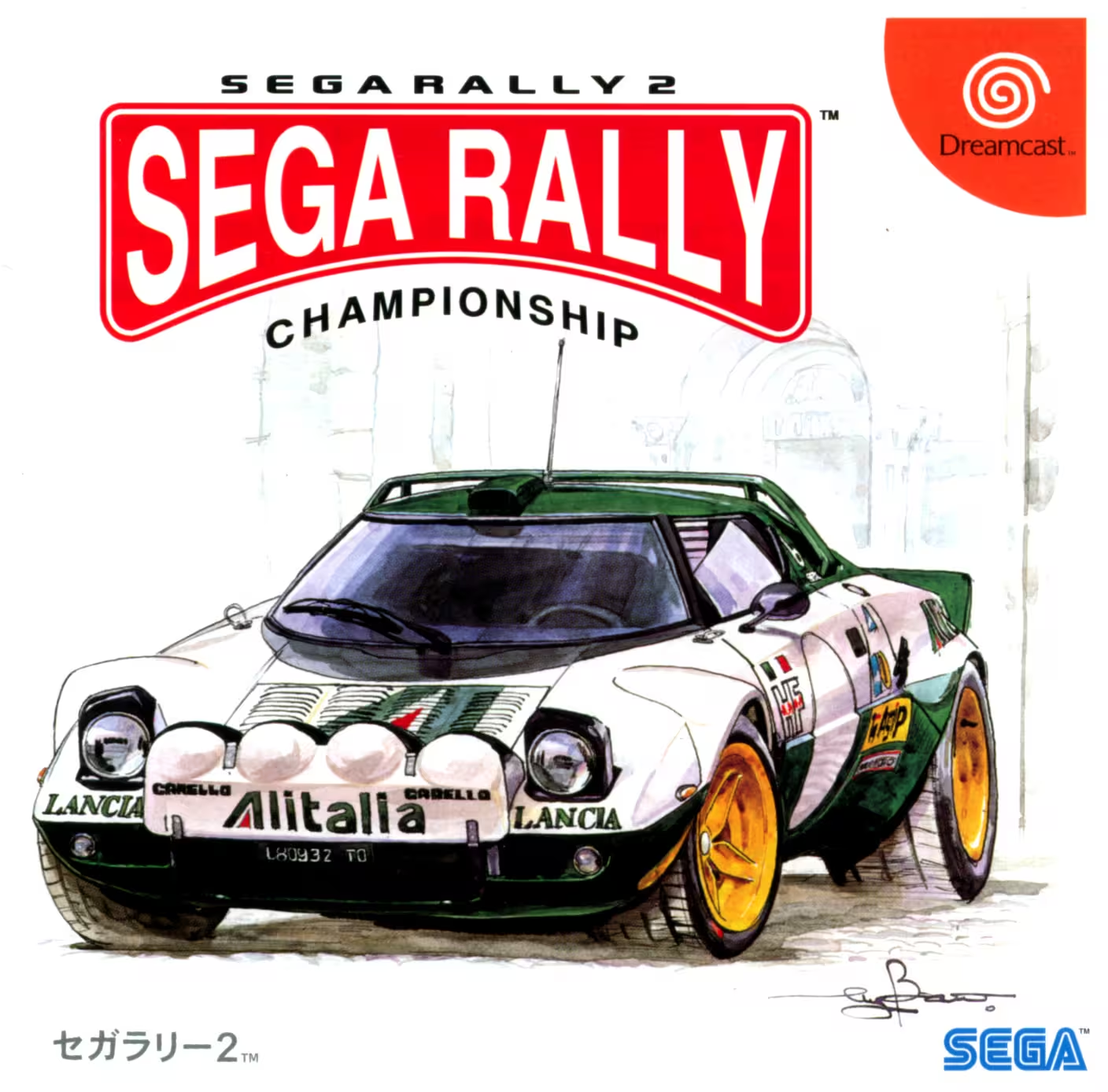
 Front Cover
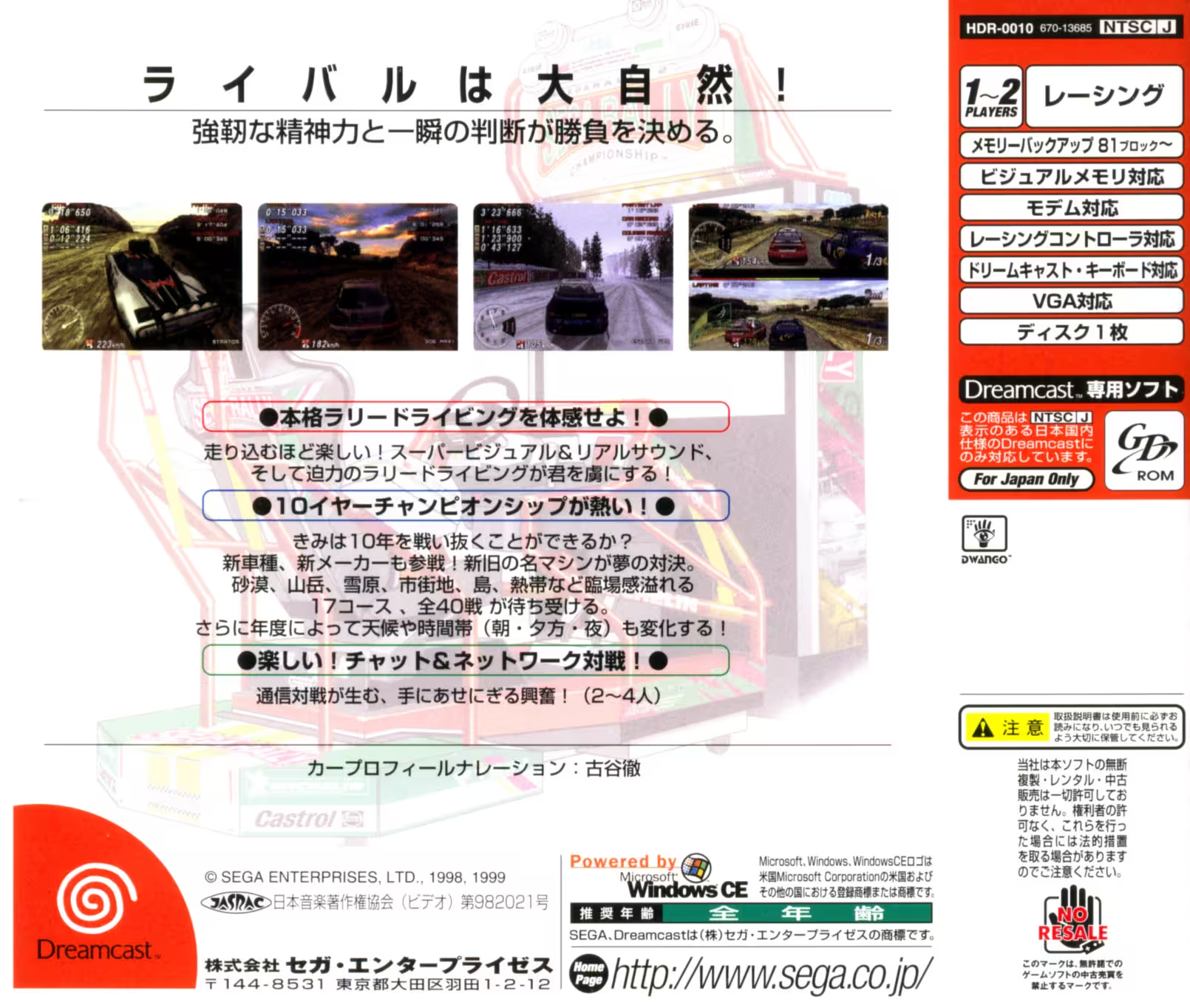
 Back Cover
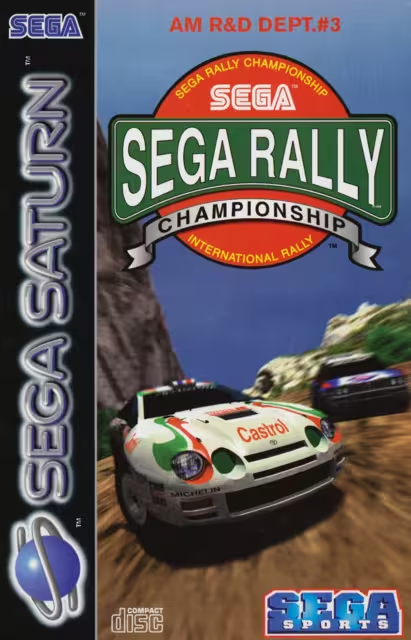
A content‑rich racing game delivering an atmospheric rally experience that blends arcade immediacy with career‑style depth, praised for its handling and variety but let down by performance compromises.
Sega Rally 2 was positioned as one of the Dreamcast’s most important early racing titles. It carried forward the arcade spirit of its predecessor but expanded the experience with more tracks, more cars, and a new career‑style structure. The game’s presentation leaned heavily into the drama of rally racing: weather effects, shifting surfaces, and dirt‑streaked cars all reinforced the sense of being in a high‑stakes motorsport.
The handling model retained the series’ hallmark of surface‑sensitive grip with tarmac, gravel, snow, and mud all affecting cornering differently, while the Dreamcast version also allowed for car tuning options such as suspension, transmission, and tyre choice. It rewarded both casual players and those willing to master the subtleties of surface grip and cornering lines.
The new “10‑Year Championship” mode reframed the arcade’s short bursts of racing into a long‑form challenge, asking players to tune cars, adapt to changing conditions, and prove consistency across multiple seasons. This gave the game a more substantial home identity and the depth expected from a console release. Further, two‑player split‑screen multiplayer was supported, and the game featured a broad roster of licensed rally cars from the late 1990s.
Technically, the Dreamcast port was built using Microsoft’s Windows CE libraries. While visually impressive, it ran at 30 frames per second rather than the arcade’s 60, which was a common point of criticism. Nevertheless, it remained one of the most content‑rich home versions of a Sega arcade racer, balancing authenticity with extended play value.
The game features many standout qualities: the sense of speed and the atmosphere of rallying, the handling model, the variety of environments, and the sheer amount of content compared to the Saturn original. However, the Dreamcast port was technically imperfect, most notably its 30fps performance, which fell short of the arcade’s 60fps output. Despite this, it helped establish the Dreamcast’s credentials as a next generation console capable of merging arcade spectacle with home console depth.
| Item Name |
|
|---|---|
| Original Name |
|
| Item Code |
|
| Item Number |
|
| Series | |
| Type | |
| Genre | |
| Theme | |
| Region | |
| Territory | |
| Packaging | |
| Documentation | |
| Developer | |
| Publisher | |
| Media | |
| Players | |
| Peripherals | |
| Video Modes | |
| System Software | |
| Launch Price |
|
| Release Date | |
| Date Added |
|