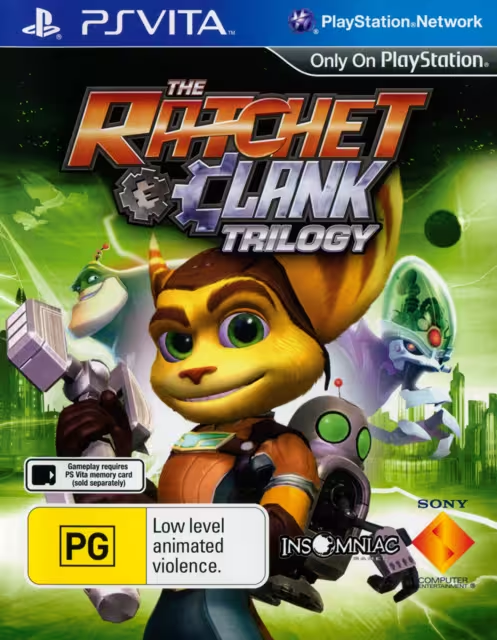
Ratchet & Clank Collection
[Packaging & Manual Only]
PCSF-00482
Video Game Collection
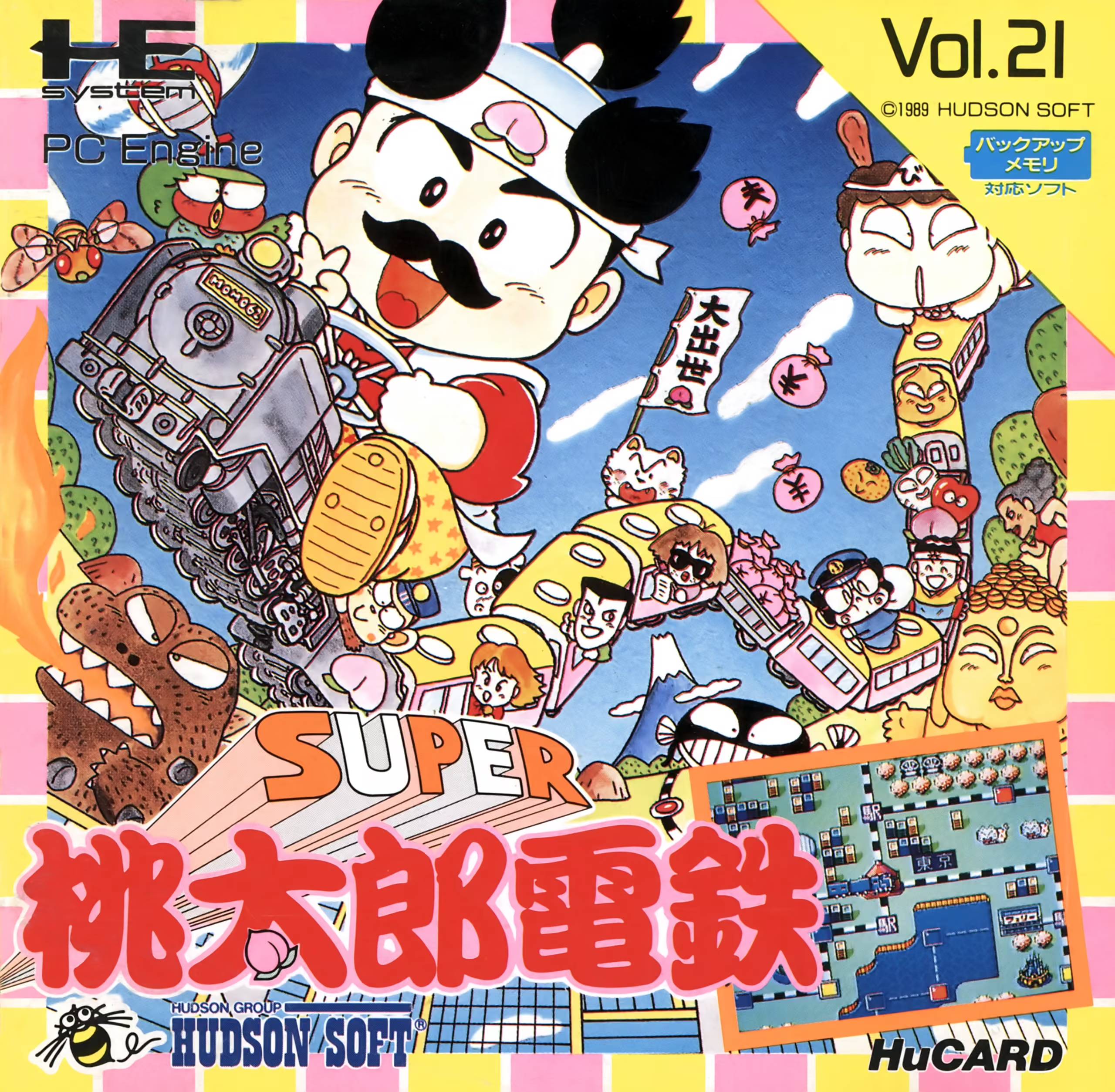
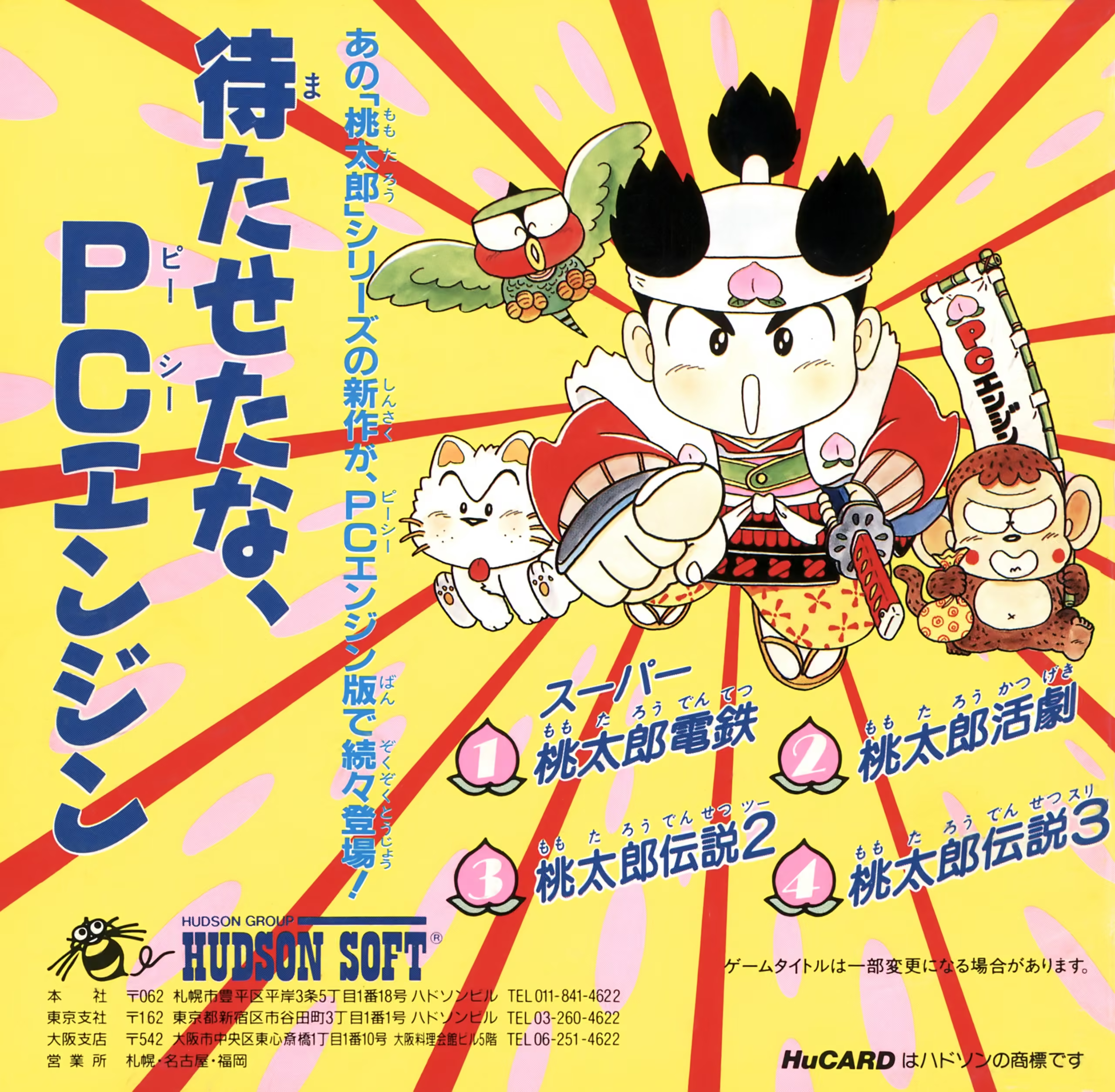
 Front Cover
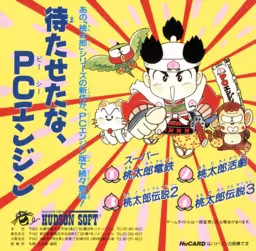 Inside Cover
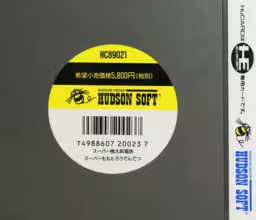 Back
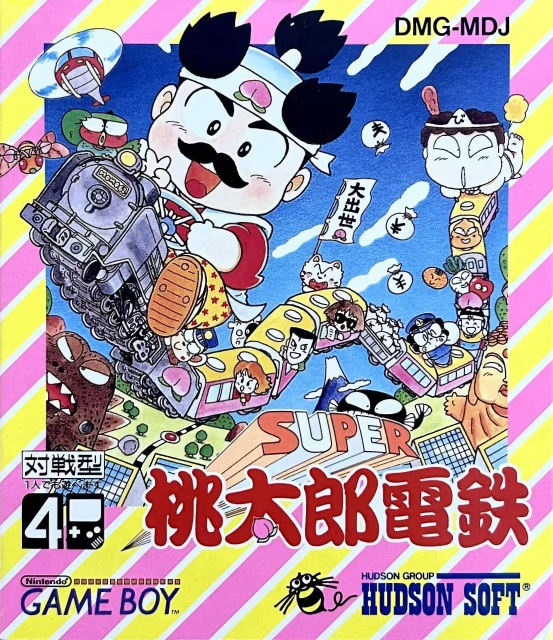
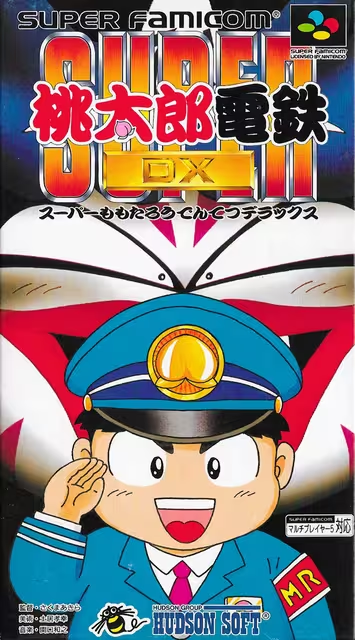
A digital board game that transformed Hudson Soft’s fledgling train-themed business series into a multiplayer formula that would define Momotarō Dentetsu for decades. It combines dice-based travel, property investment, card usage, and financial competition across a stylised Japan.
Super Momotarō Dentetsu is the direct sequel to the 1988 original. While based on the same core concept of travelling around Japan by rail and building wealth through property ownership, it significantly revised the rules and structure of the series. All players now compete to reach a shared destination station rather than pursuing separate objectives. The first player to arrive receives a substantial reward, while the unfortunate player furthest away inherits Binbōgami, the God of Poverty, introducing a risk-reward cycle that became one of the defining features of the franchise.
Players move around Japan by rolling dice, stopping at stations, purchasing properties, collecting annual income, and using cards to gain advantages or disrupt rivals. Property stations generate profits during yearly settlements, complete city monopolies award bonus income, and a growing collection of cards adds both strategy and unpredictability to the competition. One year runs from April through February, with March reserved for financial settlement and asset calculations. The objective is to finish the chosen game length with the greatest total assets.
Many mechanics that later became synonymous with the series either debuted here or were standardised into recognisable forms, including destination races, Binbōgami penalties, cards, property income rates, station classifications, and monopoly bonuses. Compared with later entries it remains comparatively simple, lacking additions such as King Bomby and many of the more elaborate event systems, but its influence on the franchise cannot be overstated. The game received ports, including a handheld version, and established the structure and gameplay rhythm that would underpin the series throughout subsequent generations of hardware.
| Item Name |
|
|---|---|
| Original Name |
|
| Item Code |
|
| Item Number |
|
| Series | |
| Type | |
| Genre | |
| Theme | |
| Region | |
| Territory | |
| Packaging | |
| Documentation | |
| Developer | |
| Publisher | |
| Media | |
| Players | |
| Peripherals | |
| Launch Price |
|
| Release Date | |
| Date Added |
|