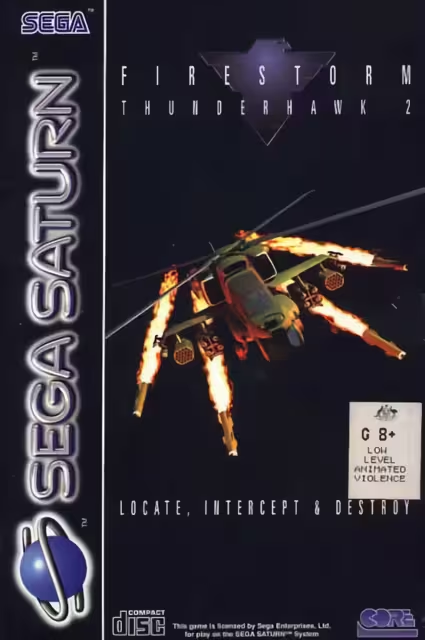
Firestorm: Thunderhawk 2
FTHU07SSC, T-11501H-50
Video Game Collection
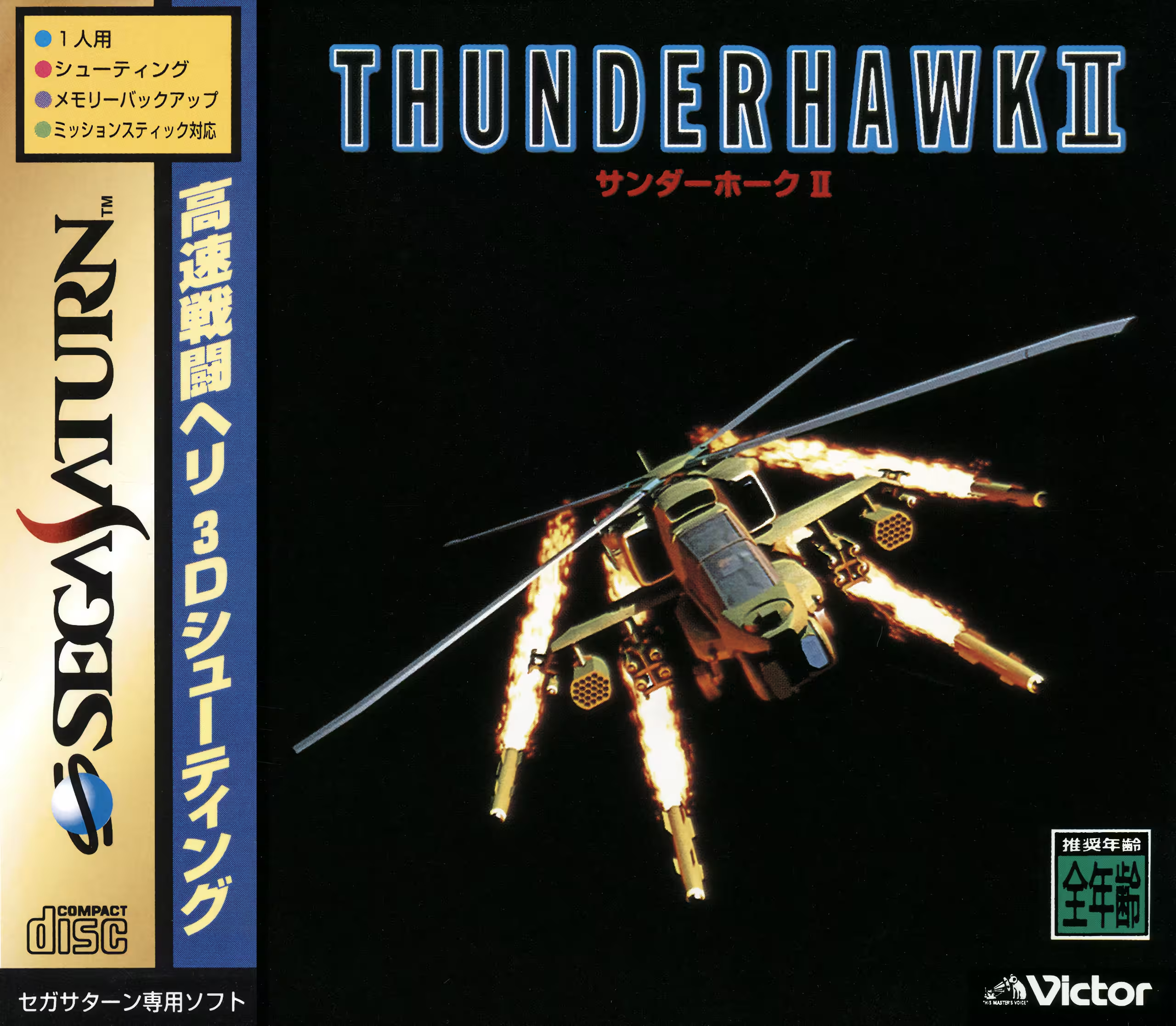
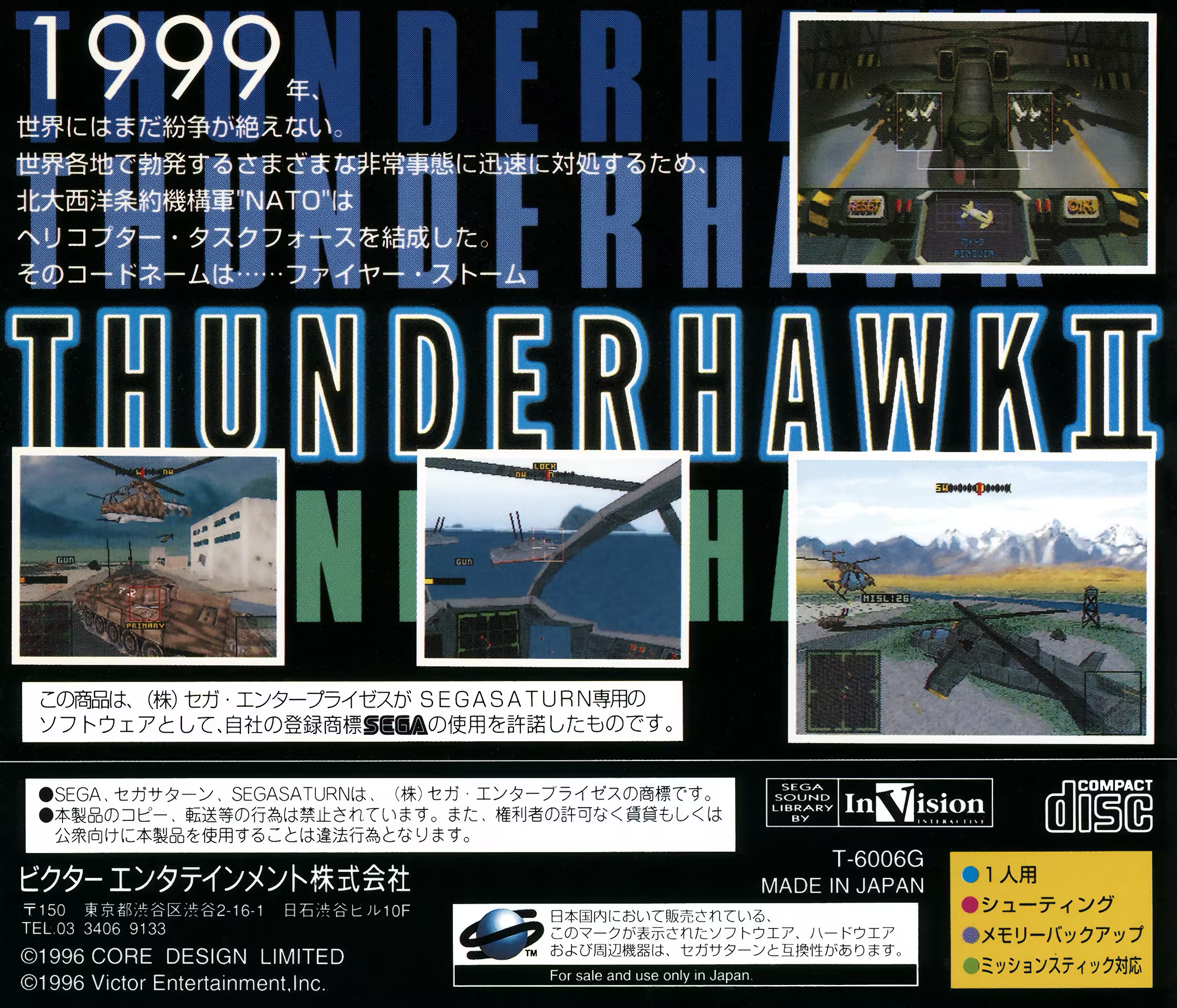
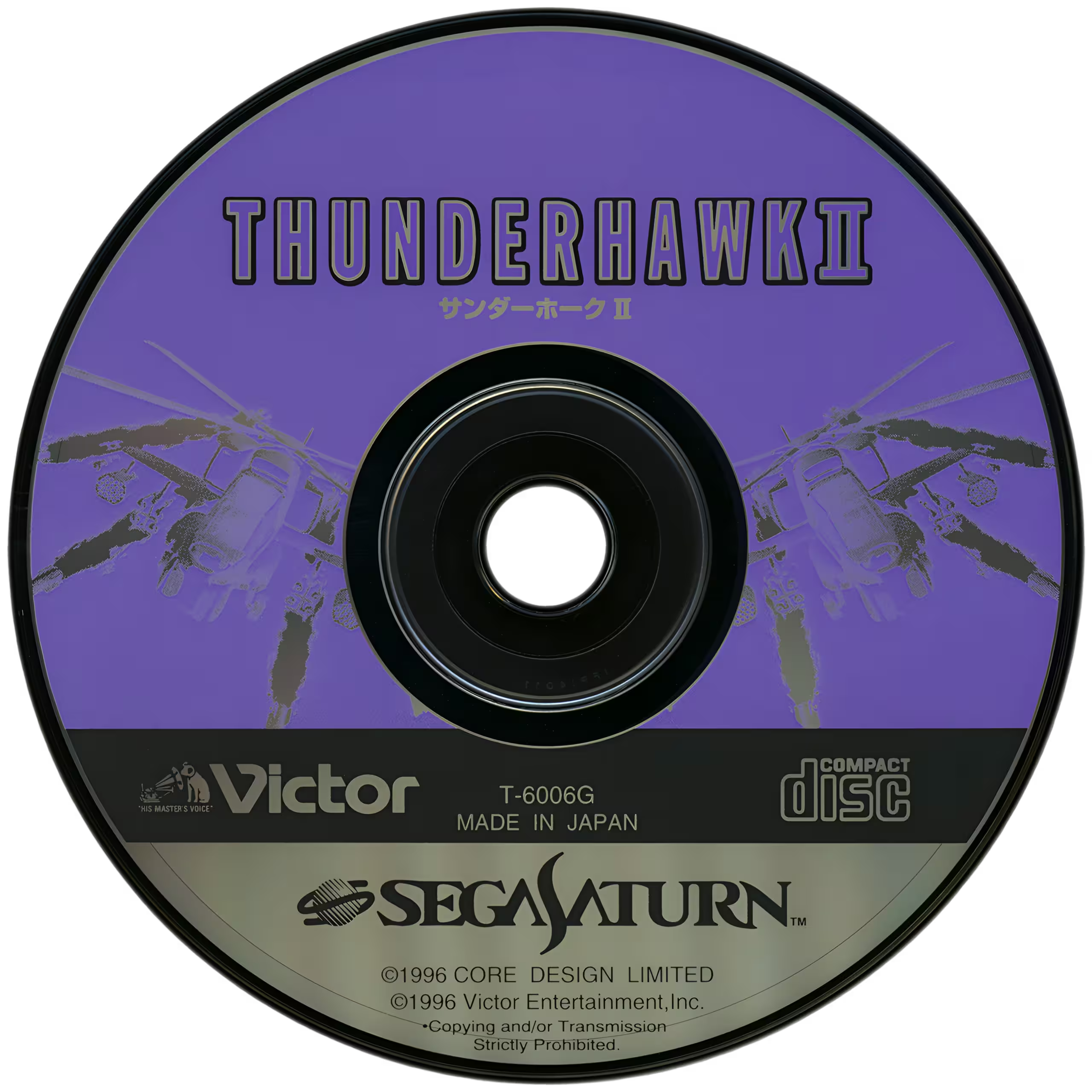
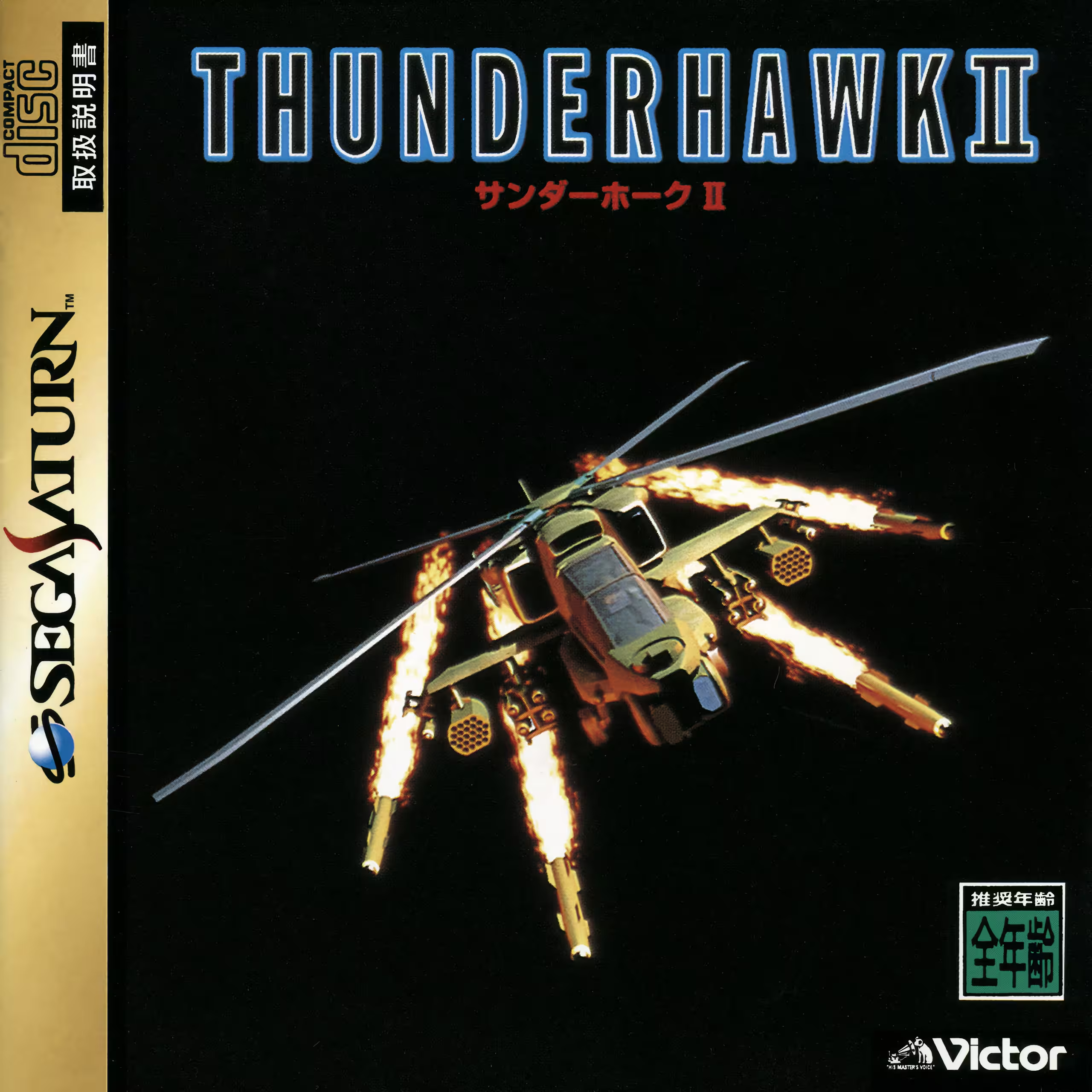
 Front Cover
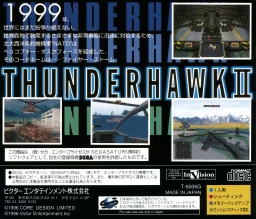 Back Cover
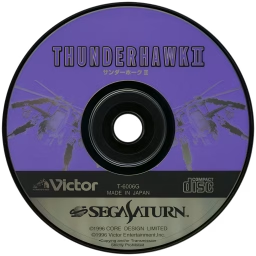 Game Disc
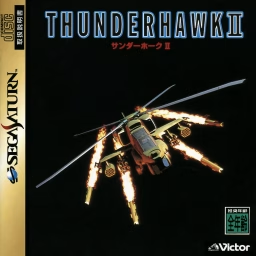 Instruction Manual
An essential 32-bit action-sim, celebrated for its “arcade-plus” mechanics and a technically superior Saturn engine that outpaced its contemporary rivals.
Thunderhawk II is the sequel to Core Design’s seminal flight simulator. It is widely considered a technical masterpiece of the mid-90s, showcasing the developers’ ability to deliver fast, fluid 3D combat on early 32-bit hardware. Unlike its predecessor, which was limited by the hardware of the Mega-CD, it fully embraced the polygonal power of the new generation to create an arcade-style flight experience that prioritised speed and spectacle over realistic aerodynamics.
The gameplay experience is built around a refined version of the Thunderhawk engine, which features textured polygons to render large-scale, 3D battlefields with remarkably little pop-in. The game has a customisable payload system, allowing players to outfit their AH-73M helicopter with a mix of chain guns, rockets, and specialised missiles (like the fire and forget Mavericks) before each of the game’s 24 missions. This tactical layer was highly regarded, as players had to balance firepower against the specific needs of varied environments ranging from the Panama Canal to the South China Sea.
On a technical level, the Saturn version is notable for its era because it ran better than the PlayStation version in several key areas. The game targets a near-constant 30 frames per second, handling dozens of active ground targets and projectiles simultaneously without the dramatic slowdown common in other early 32-bit titles. The title utilises the Saturn’s dual-CPU architecture to manage the environmental “clipping” and shading, resulting in a cleaner look with less of the “polygon jitter” that plagued many PlayStation titles of 1995. The experience is rounded out by a cinematic Redbook audio soundtrack and high-quality digitised speech samples for mission briefings, providing a premium presentation that felt “next-gen” for the time. The developers had a knack for making the most of the Saturn, showing several times the Saturn had the potential to be superior to the PlayStation but required a developmental knowledge inherently unavailable for most projects.
Upon its release, Thunderhawk II received universal acclaim, particularly for its staggering technical performance. Critics in Sega Saturn Magazine and IGN praised the game’s blistering frame rate and the sheer intensity of its combat, often citing it as the new benchmark for helicopter shooters. Public sentiment was equally enthusiastic with players captivated by the “Hollywood” feel of the missions, which swapped dry military objectives for explosive, high-stakes scenarios. However, some simulation purists found the simplified controls, which allowed for “strafing” and near-instant turns, to be too arcade-like. Retrospectively, it is a highlight of the Saturn’s early 3D library, often compared favourably to Sony’s Warhawk for its superior mission variety and tighter performance.
| Item Name |
|
|---|---|
| Localised Name |
|
| Item Code |
|
| Item Number |
|
| Type | |
| Genre | |
| Region | |
| Territory | |
| Packaging | |
| Documentation | |
| Developer | |
| Publisher | |
| Media | |
| Players | |
| Peripherals | |
| Classification | |
| Launch Price |
|
| Release Date | |
| Date Added |
|