Saint Seiya: Ōgon Densetsu – Kanketsu‑hen
-
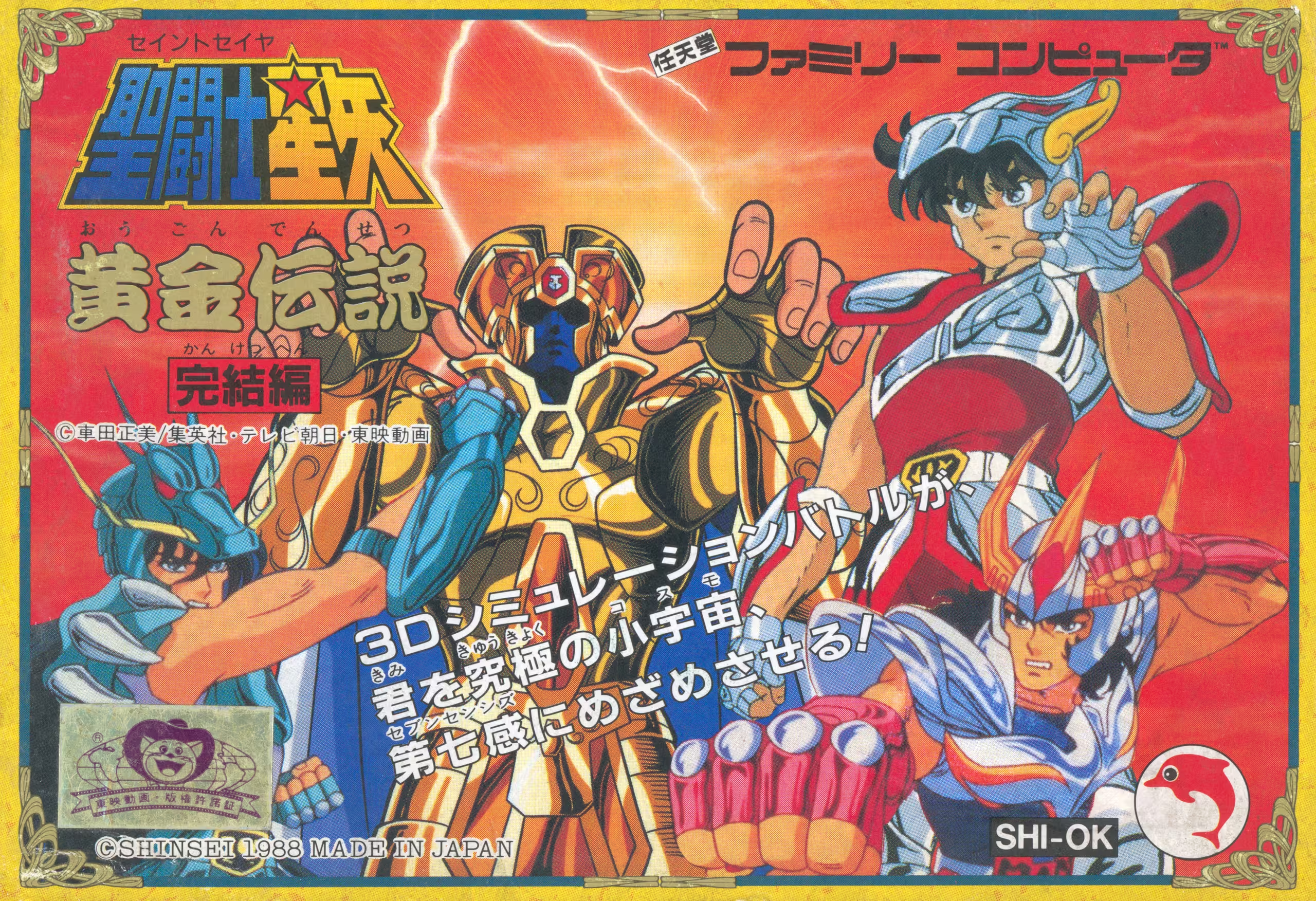
 Box Front
-
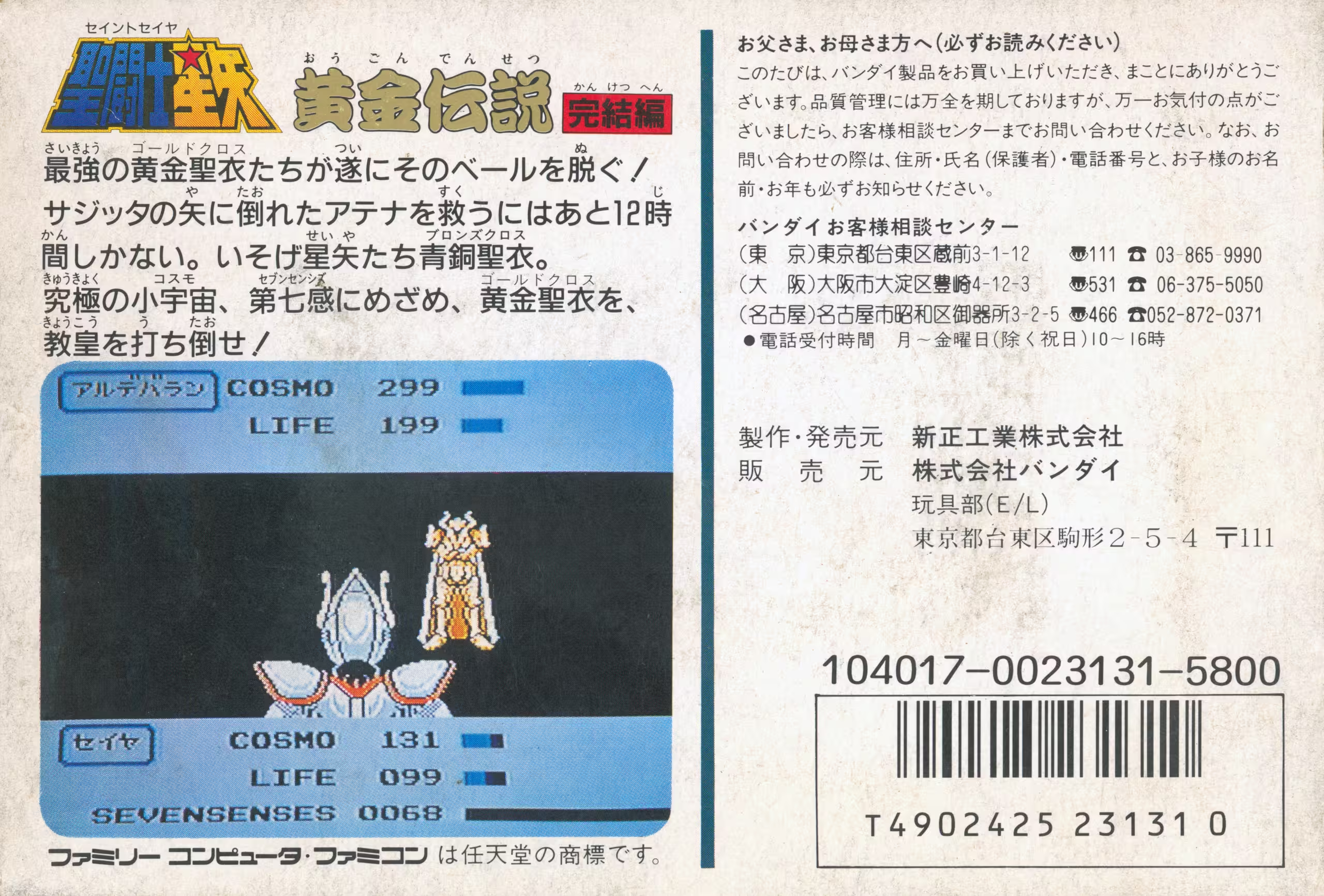
 Box Back
A 1988 Famicom action-RPG from Bandai and TOSE that adapts the Sanctuary arc of the Saint Seiyaanime/manga, blending side-scrolling stages with turn-based battles against the Gold Saints.
Description
Seintō Seiya: Ōgon Densetsu – Kanketsu‑hen (Saint Seiya: Golden Legend – Final Chapter) picks up where the first Famicom game (Ōgon Densetsu, 1987) left off. The Bronze Saints—Seiya, Shiryu, Hyoga, Shun, and Ikki—must climb the Sanctuary and defeat all twelve Gold Saints to save Saori Kido (Athena), who has been struck by a cursed arrow. The story closely follows the anime/manga, even limiting your options if you try to pit characters against opponents they didn’t face in the source material. The tone is mythic and melodramatic, filled with themes of sacrifice, friendship, and destiny, echoing the high-stakes battles of the series.
Gameplay is split into two parts. First are side-scrolling action sequences where you guide a Bronze Saint through enemy-filled corridors between temples, dodging hazards and farming “Seventh Sense” points (experience). Once you reach a Gold Saint’s temple, the game shifts into turn-based combat. Here, you allocate your Seventh Sense between Life (HP) and Cosmo (energy for attacks), balancing survivability with offensive power. Boss fights are punishing if you haven’t leveled enough, and some Saints can revive under certain conditions, reflecting their resilience in the story. This hybrid of action and RPG mechanics was unusual for the Famicom at the time, though it could feel repetitive due to similar-looking corridors between temples.
Development was handled by TOSE for Bandai, following the success of the first Saint Seiya Famicom title. Compared to its predecessor, Kanketsu‑hen featured improved graphics, more faithful storytelling, and a deeper battle system. Both games were later bundled and remastered for the WonderSwan Color as Saint Seiya: Ōgon Densetsu-hen Perfect Edition. Reception was generally stronger than the first game. Fans of the anime appreciated its fidelity to the Sanctuary arc and the inclusion of all twelve Gold Saints, while critics noted the repetitive action stages and steep difficulty curve. For players unfamiliar with Saint Seiya, the game could be confusing, as it assumed knowledge of the story. Today, it’s remembered as a classic among Famicom anime tie-ins that was ambitious in scope, if uneven in execution.
Datasheet
| Item Name |
|
|---|---|
| Original Name |
|
| Item Code |
|
| Item Number |
|
| Type | |
| Genre | |
| Color | |
| Region | |
| Territory | |
| Packaging | |
| Documentation | |
| Developer | |
| Manufacturer | |
| Publisher | |
| Media | |
| Players | |
| Launch Price |
|
| Release Date | |
| Date Added |
|
Related Products
-
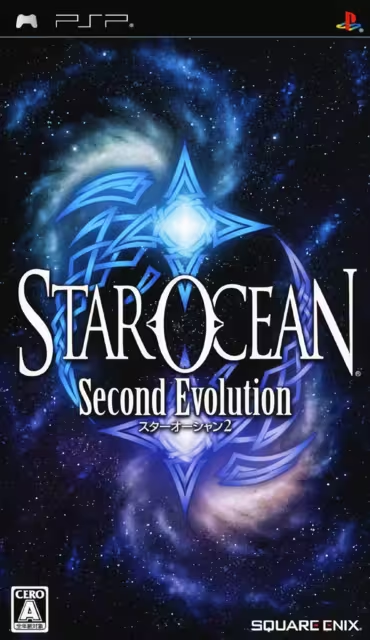 Star Ocean: Second RevolutionULJM-05325
 -
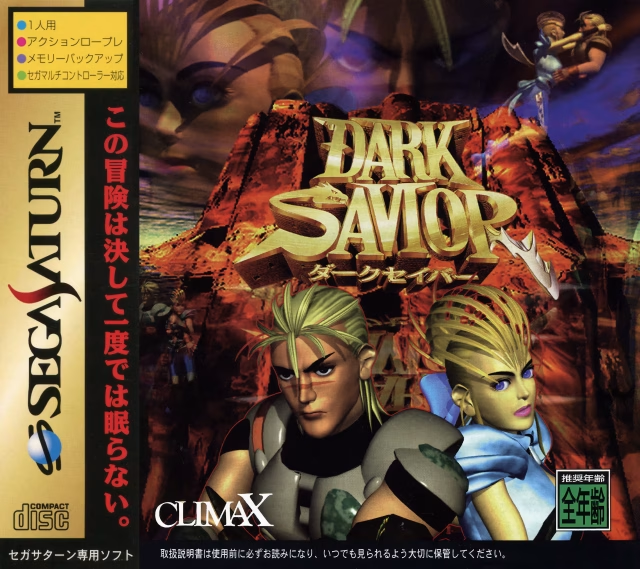 Dark SaviorT-22101G
 -
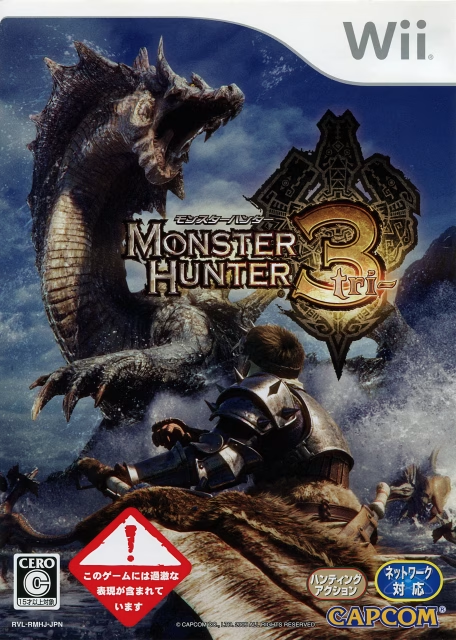 Monster Hunter 3 (tri-)RVL-RMHJ-JPN
 -
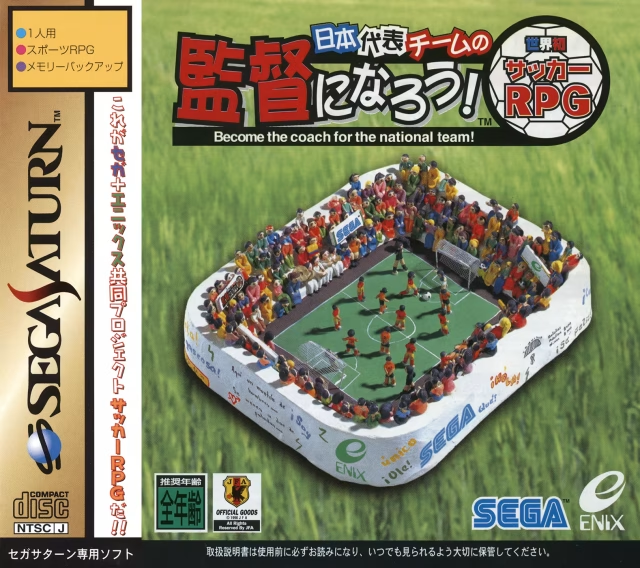 Nippon Daihyō Team no Kantoku ni Narō! Sekaihatsu Soccer RPGT-35504G
 -
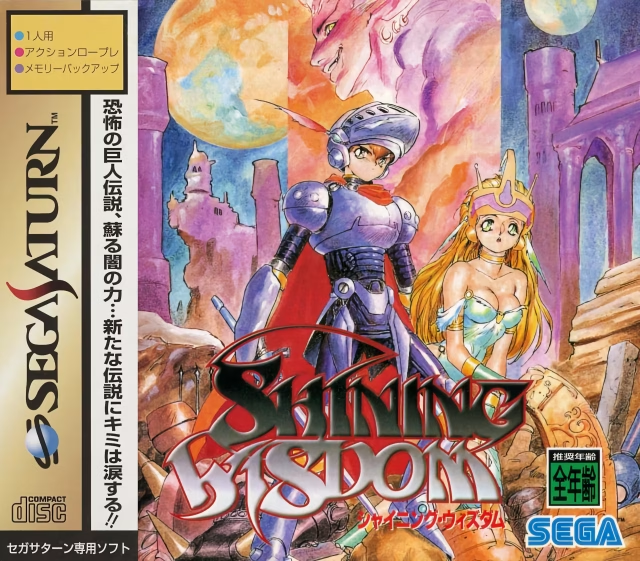 Shining WisdomGS-9057
 -
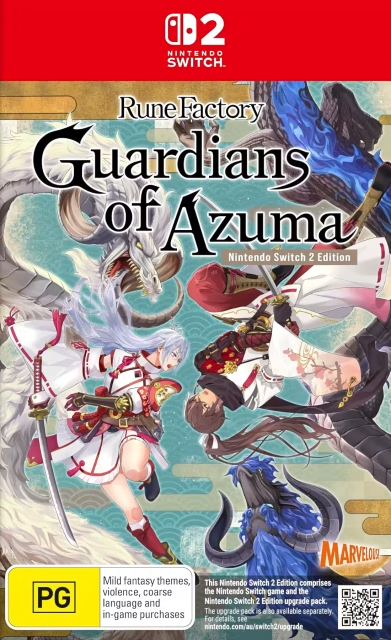 Rune Factory: Guardians of Azuma - Nintendo Switch 2 EditionNXS-BEWEG-AUS
 -
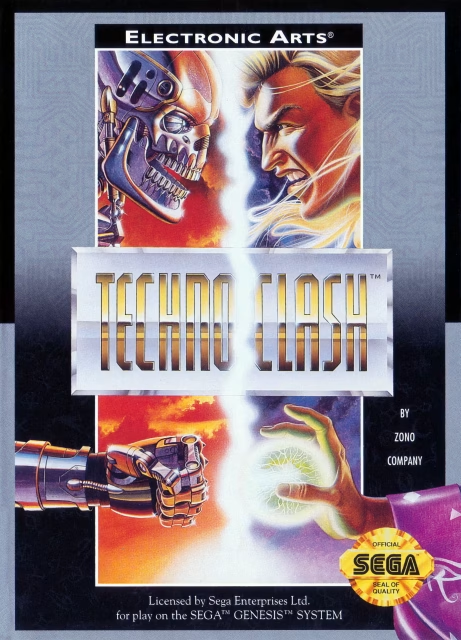 TechnoClash712701
 -
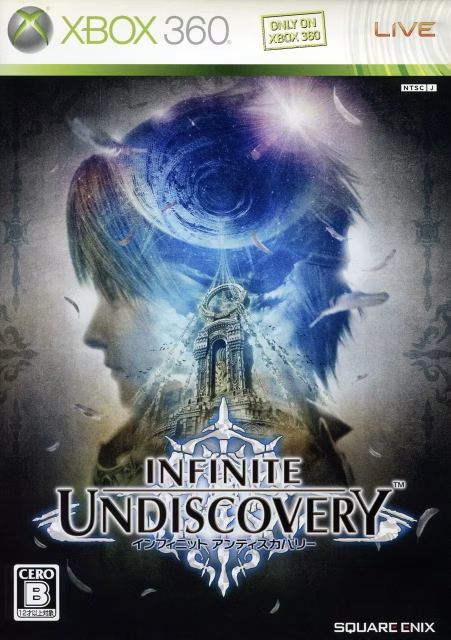 Infinite UndiscoveryYJA-00002