Deathrow
-
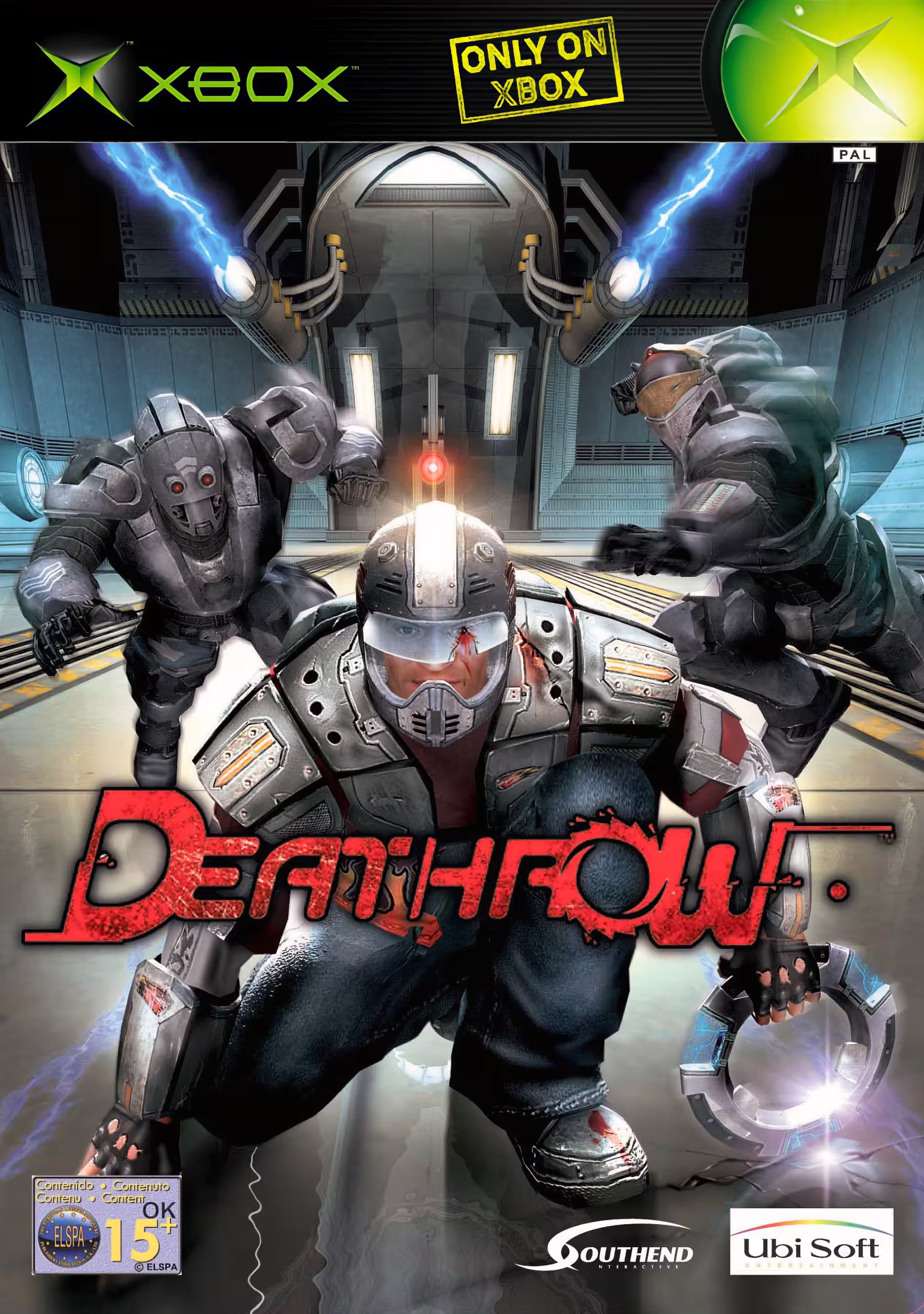
 Front Cover
-
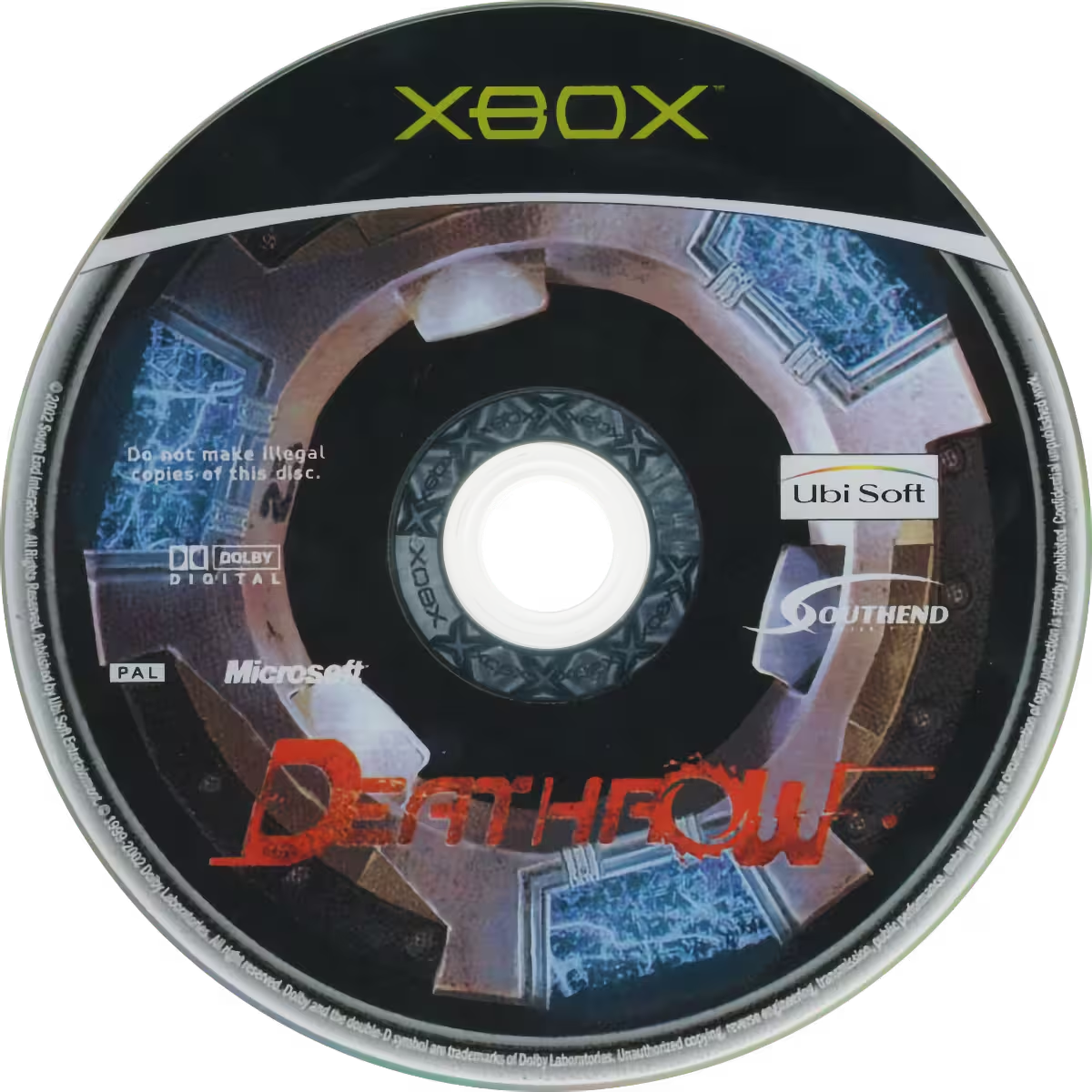
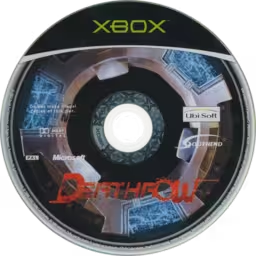 Game Disc
A brutal and technically fluid futuristic sports hybrid that combines the strategy of team management with the raw aggression of an arena brawler, all delivered at a locked 60FPS.
Description
Deathrow is a high-octane, futuristic combat-sports title developed by the Swedish studio Southend Interactive, it represents a gritty, mature-rated evolution of the “cyberpunk sports” sub-genre. It is a significant for the Xbox library, documenting the console’s early push for edgy, technically demanding exclusives that utilised its superior processing power compared to the PlayStation 2.
The game features a brutal fictional sport known as Blitz, which is a high-speed hybrid of American football, hockey, and basketball, played without rules on circular or rectangular arenas. You control a team of four players, and the experience features two primary ways to win: by scoring more points than the opposition or by physically incapacitating the entire rival squad through combat. The atmosphere is aggressively urban and dystopian, defined by neon-lit environments, a pulse-pounding electronic soundtrack, and a heavy emphasis on visceral, foul-mouthed trash talk between the diverse teams.
The gameplay involves a sophisticated team-management system in its Underground Mode. You manage a roster of athletes, handling their training, drug enhancements, and recruitment as you rise through the ranks from back-alley brawls to corporate-sponsored arenas. A significant feature is the inclusion of “System Link” support, allowing up to eight players to compete across 2–8 separate consoles, a hallmark feature of the early Xbox competitive scene (pre Xbox Live). The game prioritises performance, delivering a locked 60FPS experience with detailed character models and dynamic lighting that showcase the console’s Geforce hardware.
Deathrow was a critical darling, praised for its deep gameplay and impressive technical polish. Reviewers highlighted the satisfying “heft” of the combat and the strategic depth required to balance scoring with physical aggression. While it did not achieve massive mainstream sales, it developed a dedicated cult following and is often cited as one of the hidden gems of the early sixth generation era. It reflects a period when Western developers were experimenting with violent, high-fidelity sports hybrids on Microsoft’s first console.
Datasheet
| Item Name |
|
|---|---|
| Item Code |
|
| Item Number |
|
| Type | |
| Genre | |
| Theme | |
| Region | |
| Territory | |
| Packaging | |
| Documentation | |
| Developer | |
| Publisher | |
| Media | |
| Players | |
| Video Modes | |
| Sound Modes | |
| Release Date | |
| Date Added |
|