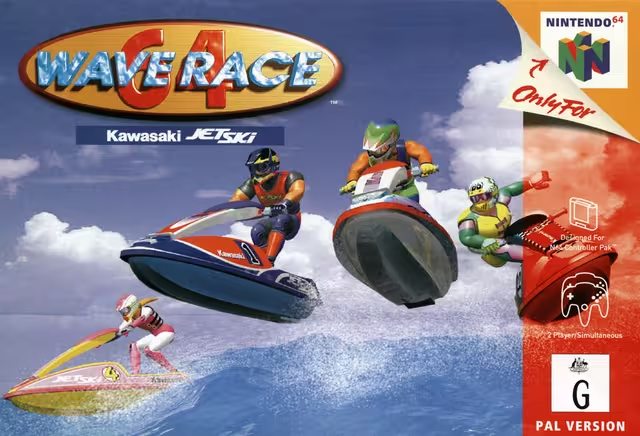
Wave Race 64
NUS-NWRP-AUS
Videojáték-gyűjtemény
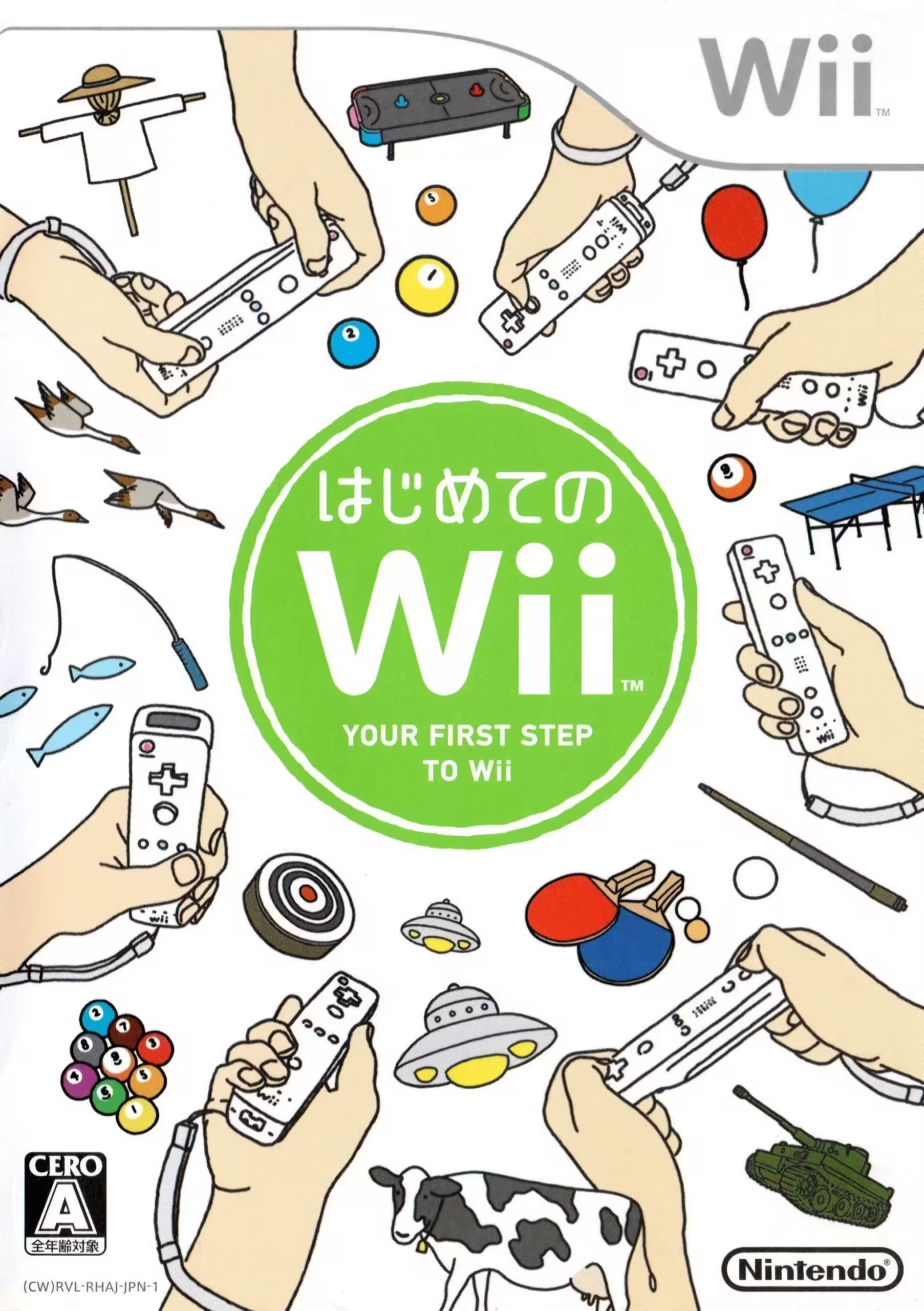
Mozgásérzékelős minijáték-gyűjtemény, amely a Wii új irányítási filozófiáját vezeti be egyszerű fizikai műveletek és rövid, versengő játékmenetek köré építve.
A Hajimete no Wii (magyarul: Első lépések a Wii-vel), nemzetközi nevén Wii Play, egy sor kisebb tevékenységet kínál személyre szabott Mii-avatarok használatával mindennapi környezetben, legyen szó céllövöldéről, asztali játékokról vagy nyílt terekről. A szoftver több technikai demóra építve mutatja be a Wii mozgásérzékelős vezérlését, amely jelentősen eltért a hagyományos kontrollerektől. Szorosan kapcsolódik a konzol korai szoftverkínálatához, mint például a Wii Sports vagy a későbbi Wii Music, amelyek szintén a játékos közvetlen részvételére és saját digitális reprezentációjára helyezik a hangsúlyt.
A játék kilenc minijátékból áll, amelyek egymás után nyílnak meg, kezdve a céllövöldétől, egészen az asztalitenisz, biliárd, horgászat és tankcsata módokig. Minden tevékenység a Wii Remote egy-egy specifikus funkcióját emeli ki, legyen az a mutatás, döntés, forgatás vagy időzített gesztusok. A Shooting Range az infravörös mutatót használja a precíz célzáshoz, a Find Mii során az avatarok tömegében kell megtalálni a célpontokat, míg a Pose Mii a kontroller forgatását igényli a sziluettekhez való igazodáshoz. Más játékok ismerős formátumokat adaptálnak, mint a pong-stílusú léghoki, a kilences biliárd vagy a tankcsata, amely a lövedékek indirekt kezelését tanítja meg. Minden játék támogatja az egyszemélyes módot és az egyszerű kétszemélyes versengést, ahol a teljesítményt pontszámok és érmék jelzik, nem pedig mélyreható fejlődési rendszerek.
A korabeli kritika vegyes volt; bár a tesztelők megjegyezték, hogy az egyes játékok rövidek és repetitívek, elismerték az irányítási demonstrációk tisztaságát és az új játékosok számára nyújtott könnyű elérhetőséget. A csomagban mellékelt Wii Remote kontrollerek révén a cím erős eladásokat produkált, és a platform egyik legsikeresebb szoftverévé vált. Ma már elsősorban a Wii hardver bevezető kiegészítőjeként emlékeznek rá, semmint önálló partijátékként, gyakran állítják párhuzamba a Wii Sports-szal, később pedig a Wii Play: Motion váltotta fel. Tervezése mindvégig szorosan kötődött a Wii Remote használatának kezdeti élményéhez, ahol maga az eszköz elsajátítása képezte a játékmenet lényegét.
| Tétel Neve |
|
|---|---|
| Eredeti Név |
|
| Termékkód |
|
| Típus | |
| Műfaj | |
| Jellemzők | |
| Régió | |
| Értékesítési Terület | |
| Csomagolás | |
| Dokumentáció / Kézikönyv | |
| Fejlesztő | |
| Kiadó | |
| Adathordozó | |
| Játékosok | |
| Videómódok | |
| Korhatár | |
| Kiadási Ár |
|
| Megjelenés Dátuma | |
| Hozzáadás Dátuma |
|