Break Out: A Story of Bat Meets Ball...!
SLES-02854
مجموعة ألعاب الفيديو


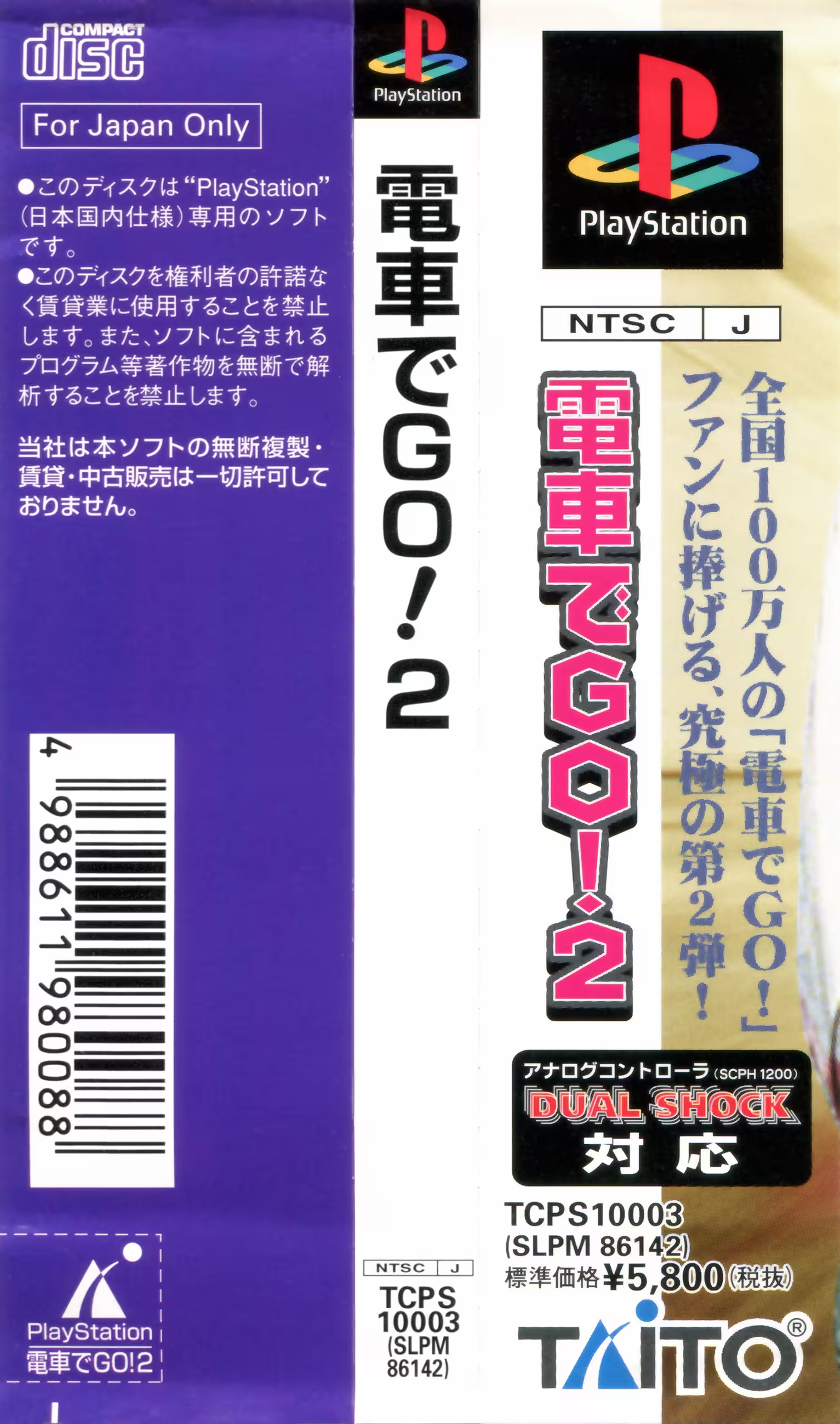
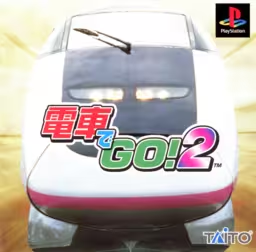 Front Cover
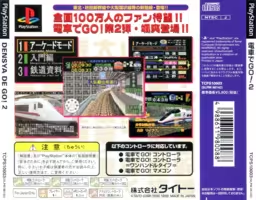 Back Cover
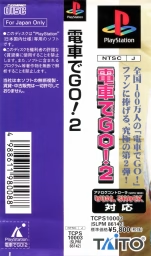 Spine Card
محاكاة تقنية دقيقة لقطارات السكك الحديدية أدخلت القطارات فائقة السرعة إلى السلسلة، وتتطلب تحكماً أكثر دقة مقارنة بالإصدار السابق. يعمل الجزء الثاني على توسيع النطاق الجغرافي للسلسلة مع تحسينات في ميكانيكيات ضبط الوقت الصارمة.
تركز لعبة Densha de Go! 2 Kłsoku-hen على خطوط قطار شينكانسن في أكيتا وخط هوكوهوكو التابع لشركة هوكيتسو، وهي المرة الأولى التي يتمكن فيها اللاعبون من قيادة قطارات الرصاصة الشهيرة في السلسلة. تؤكد التجربة على انضباط نظام “المرور في الموعد المحدد”، حيث لا يتوجب على السائقين التوقف في المحطات بدقة فحسب، بل يجب عليهم أيضًا عبور نقاط العبور المحددة في غضون أجزاء من الثانية من الوقت المحدد. تستعرض اللعبة التطور التقني للنقل الياباني وبيئة كابينة القيادة التي تجمع بين الهدوء والضغط العالي. يتميز الجو العام بتفاصيل بيئية محسنة مثل تساقط الثلوج التي تتراكم على الزجاج الأمامي ومساحات الزجاج النشطة، مما يوفر تجربة حسية أكثر واقعية مقارنة بالإصدار الأول Densha de Go!. يُعد هذا الإصدار توسعة مباشرة للنسخة الأصلية من أجهزة الأركيد، حيث يضيف محتوى كان حصرياً لإصدار بلايستيشن.
تعتمد اللعبة على ميكانيكية التوقف “صفر ثانية”، التي تكافئ اللاعبين بثوانٍ إضافية عند إيقاف القطار بدقة عند علامة التوقف المحددة. من الإضافات الوظيفية الهامة تضمين خط حلقة أوساكا وخط كاغوشيما الرئيسي، وهي مسارات كانت حصرية لإصدار الأجهزة المنزلية ولم تكن موجودة في نسخة الأركيد الأولية. تتميز الميكانيكيات بنظام عقوبات صارم حيث تؤدي أخطاء مثل تجاوز السرعة، أو الكبح المفاجئ، أو تأخير المغادرة إلى خصم الوقت من رصيد مشترك. يتفاعل اللاعبون مع العالم من خلال عدة أوضاع، بما في ذلك وضع الأركيد، ومسار للمبتدئين للتدريب، ومتحف السكك الحديدية الذي يسمح بعرض نماذج ثلاثية الأبعاد وصور مفصلة لقطارات السكك الحديدية المميزة. تم تصميم الإطار التقني لدعم وحدة تحكم Densha de Go! المتخصصة، والتي تتميز بمقابض الكبح والطاقة متعددة الخطوات للحصول على ردود فعل لمسية واقعية.
| اسم العنصر |
|
|---|---|
| الاسم الأصلي |
|
| رمز العنصر |
|
| رقم العنصر |
|
| سلسلة | |
| النوع | |
| النوع الأدبي | |
| الموضوع | |
| المنطقة | |
| الإقليم | |
| التغليف | |
| التوثيق | |
| المطور | |
| الناشر | |
| الوسائط | |
| عدد اللاعبين | |
| الأجهزة الطرفية | |
| سعر الإطلاق |
|
| تاريخ الإصدار | |
| تاريخ الإضافة |
|