Zelda no Densetsu: Majora no Kamen
ゼルダの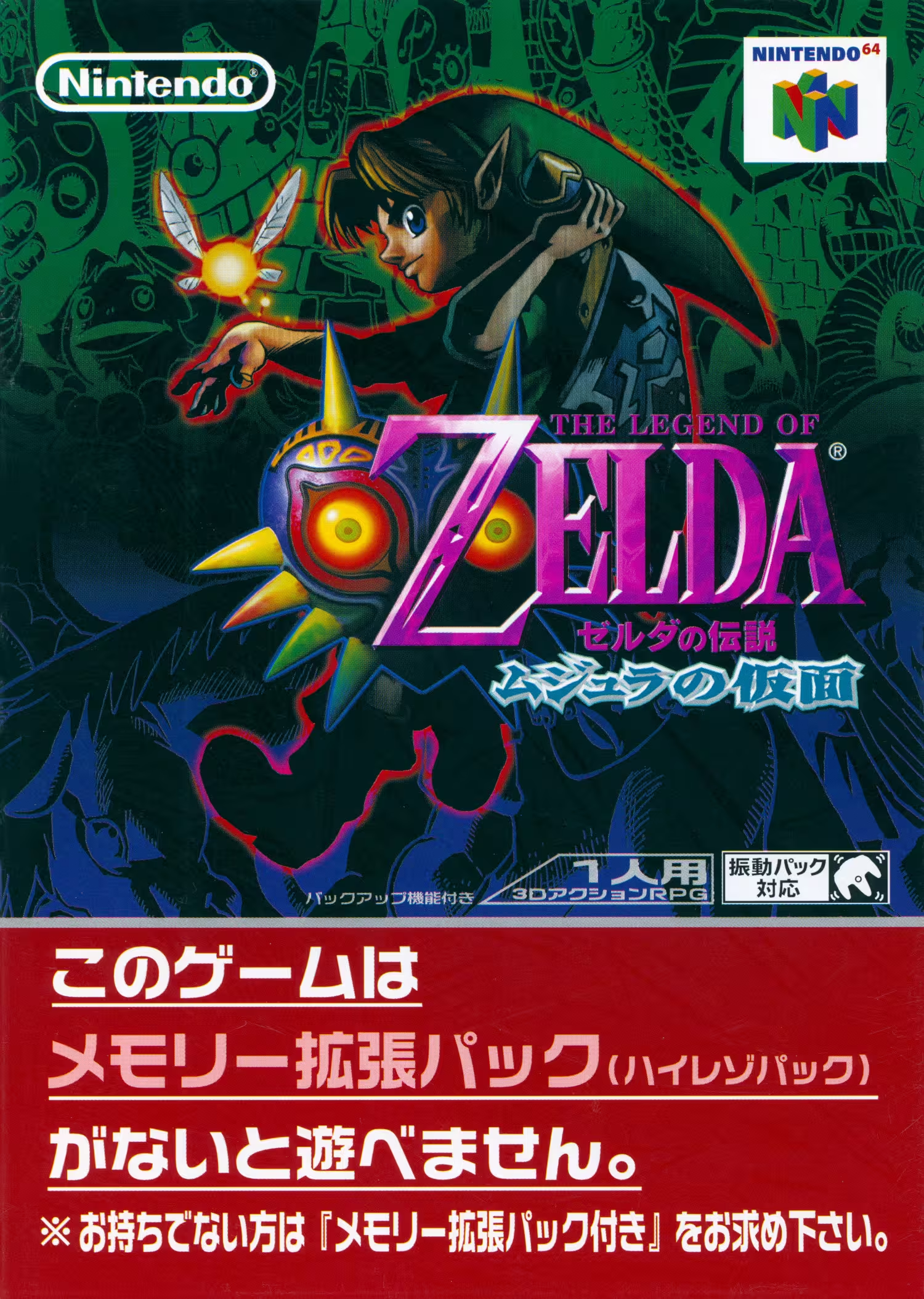
-
 Box Front
-
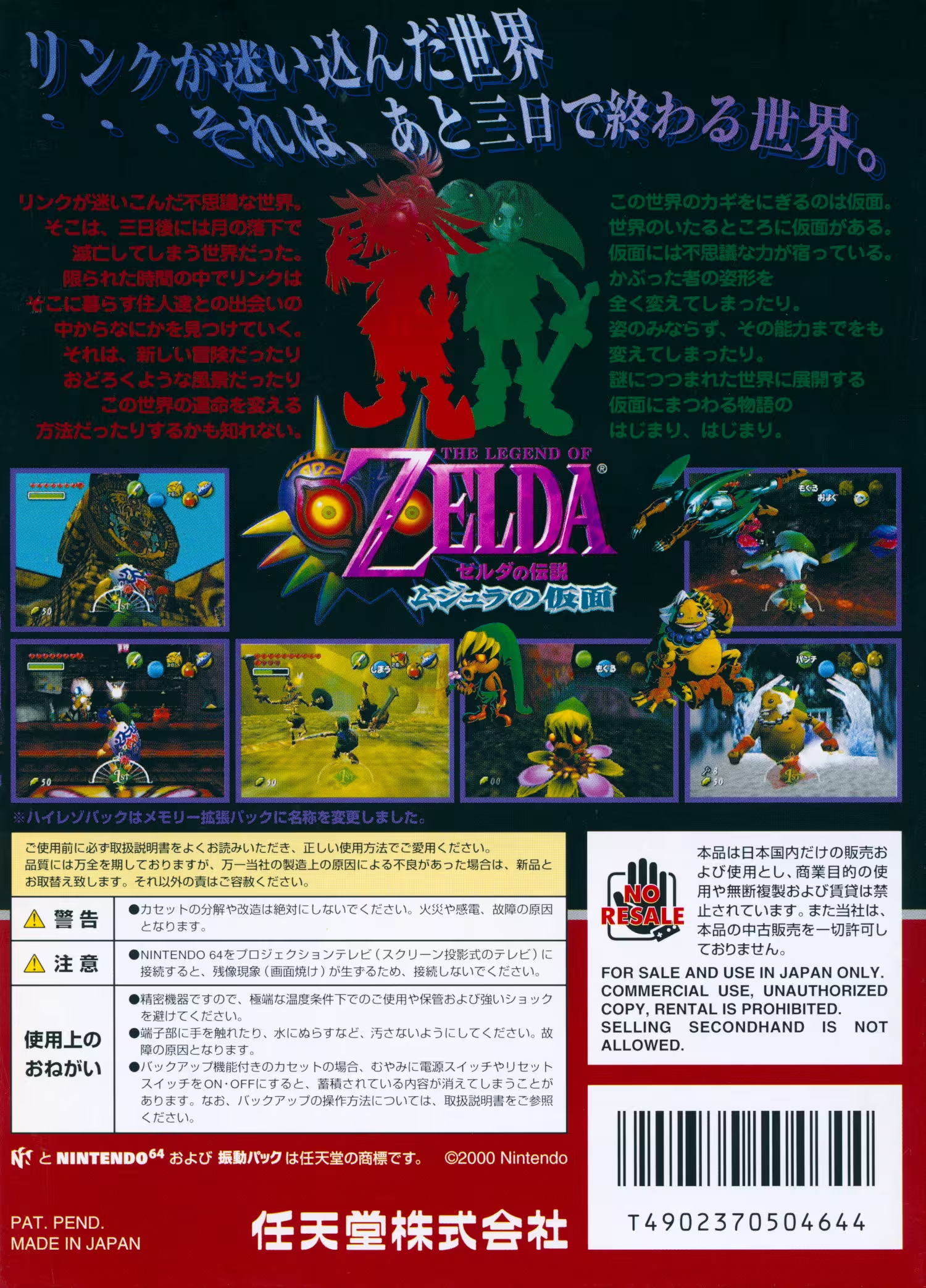
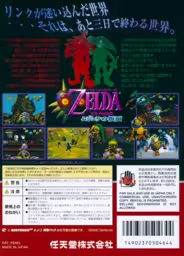 Box Back
-
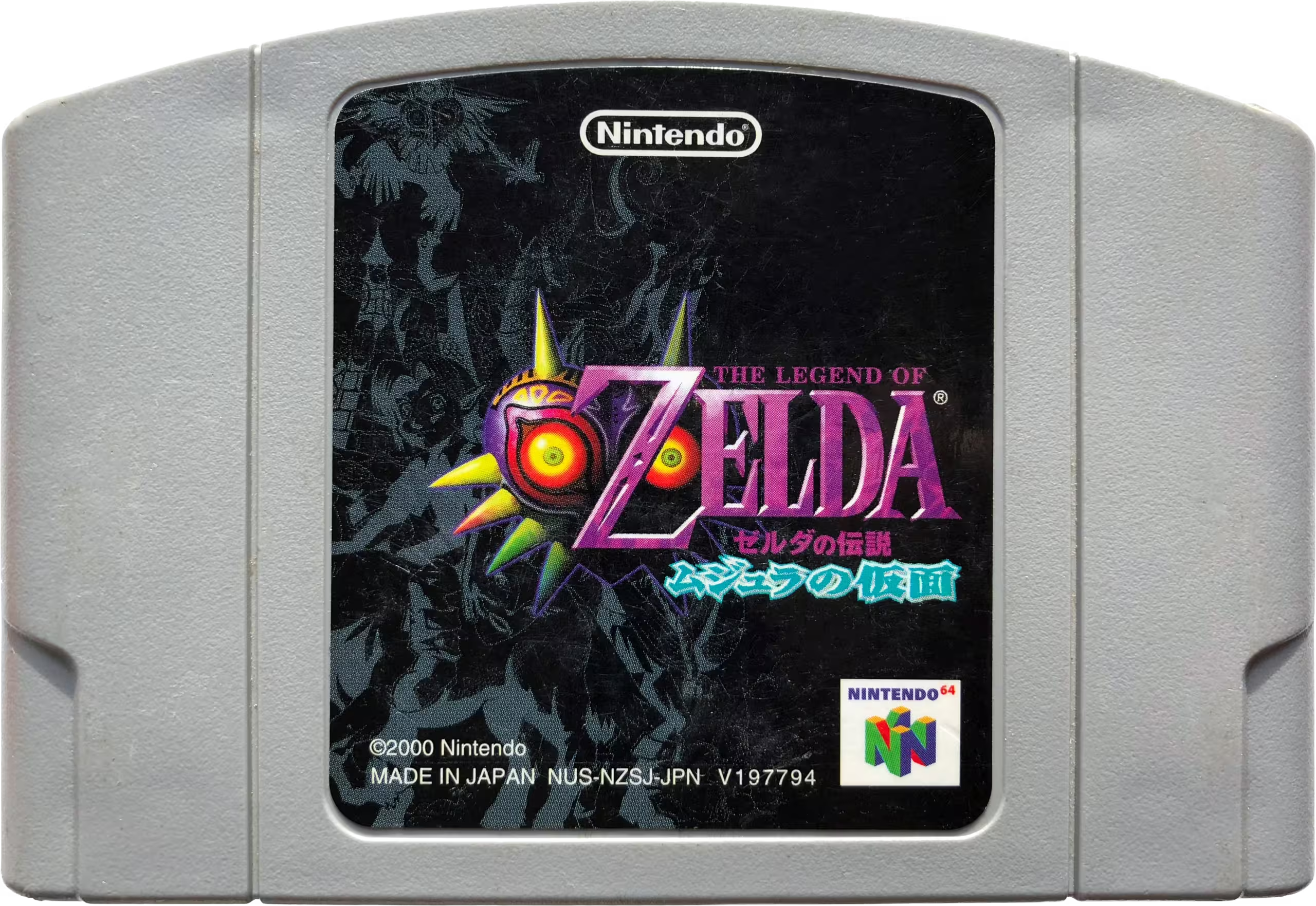
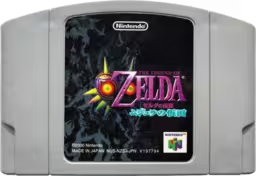 Game Cartridge
A dark fantasy action-adventure designed to expand narrative complexity and mechanical depth through time-based systems, marking one of the most experimental entries in the Zelda series.
Description
Zelda no Densetsu: Majora no Kamen (The Legend of Zelda: Majora’s Mask) follows Link into Termina, a parallel world threatened by the moon’s imminent collision. The story unfolds across a repeating three-day cycle, where Link must manipulate time to prevent catastrophe, creating a layered experience that contrasted sharply with the heroic tone of its predecessor. This structure frames themes of inevitability, grief, and renewal, expressed through character arcs and side quests tied to the world’s inhabitants.
The three-day cycle governs all activity: NPC schedules, dungeon access, and side quests reset with each time rewind, demanding strategic planning. Masks serve as transformative tools, granting abilities such as swimming (Zora Mask) or strength (Goron Mask), while others unlock social interactions or mini-games. Combat retains the lock-on targeting and item-based puzzle design of Ocarina of Time, but progression hinges on observation and timing rather than linear dungeon clearing.
The game is based in four main dungeons: Woodfall Temple, Snowhead Temple, Great Bay Temple, and Stone Tower Temple. Each is integrated into the cycle’s constraints. Beyond these, the game includes extensive side content: 24 collectible masks, each granting unique abilities or social interactions, from transformation masks (Deku, Goron, Zora) to utility masks like Bunny Hood and Stone Mask. The Bomber’s Notebook system tracks NPC schedules and quest progress, encouraging observation and planning. Mini-games, hidden heart pieces, and optional challenges expand replay value, while boss battles combine puzzle-solving with combat precision.
Majora no Kamen adopts a surreal, unsettling aesthetic, with distorted character models, oppressive lighting, and a looming moon dominating the sky. The tone is melancholic and introspective, reinforced by themes of loss, inevitability, and renewal. Music shifts dynamically with the countdown, amplifying tension as the cycle nears its end. It was built on the engine of Ocarina of Time but introduced a radically different structure. The game was conceived under strict time constraints, leading to a design that reused assets while innovating through systemic mechanics. The release required the Expansion Pak, enabling enhanced textures and complex animations.
At launch, critics praised its ambition and emotional depth, though some noted its demanding structure. Retrospective commentary positions Majora no Kamen as a cult classic, remembered for its narrative boldness and systemic innovation, influencing later Zelda titles and inspiring time-loop mechanics in modern game design.
Datasheet
| Item Name |
|
|---|---|
| Original Name |
|
| Item Code |
|
| Item Number |
|
| Series | |
| Type | |
| Genre | |
| Region | |
| Territory | |
| Packaging | |
| Documentation | |
| Developer | |
| Publisher | |
| Media | |
| Players | |
| Peripherals | |
| Sound Modes | |
| Launch Price |
|
| Release Date | |
| Date Added |
|
Related Products
-
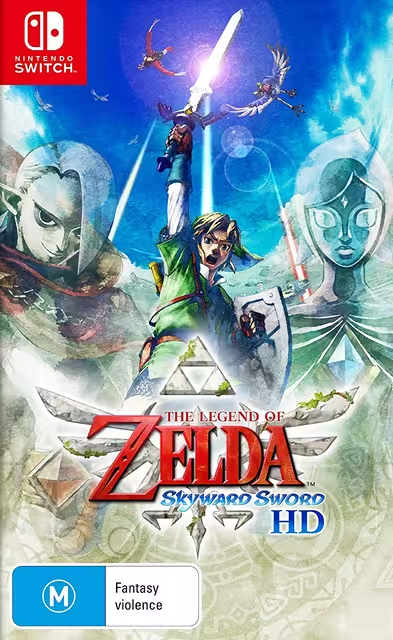 The Legend of Zelda: Skyward Sword HDHAC-AZ89A-AUS
 -
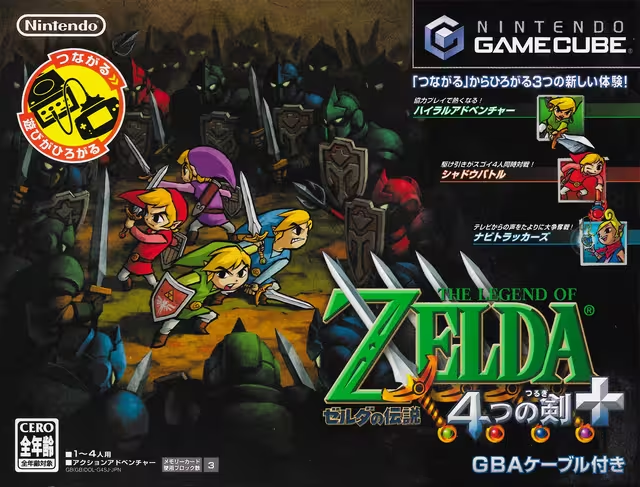 Zelda no Densetsu: Yottsu no Tsurugi+DOL-G4SJ-JPN
 -
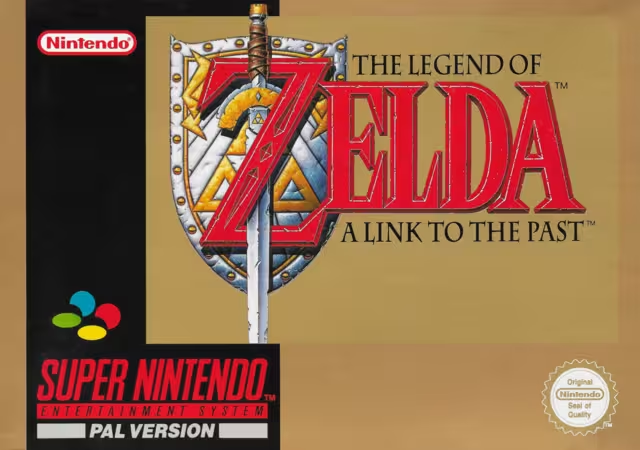 The Legend of Zelda: A Link to the PastSNSP-ZL-AUS
 -
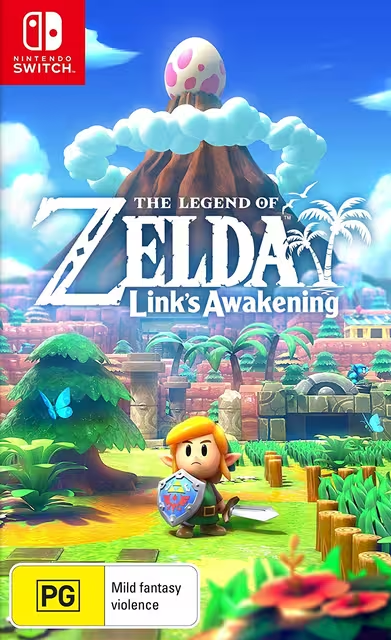 The Legend of Zelda: Links AwakeningHAC-AR3NA-AUS
 -
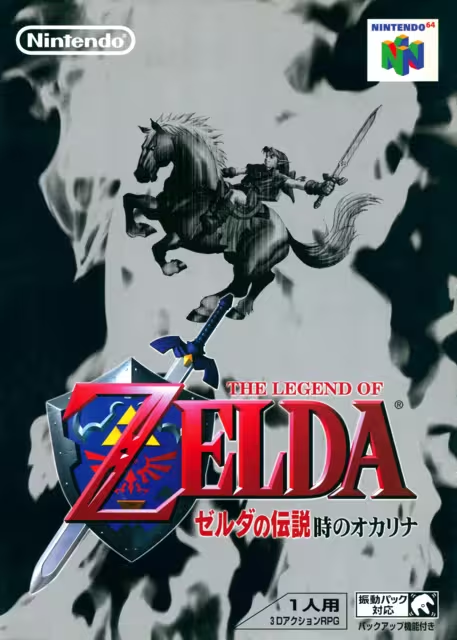 Zelda no Densetsu: Toki no OcarinaNUS-CZLJ-JPN
 -
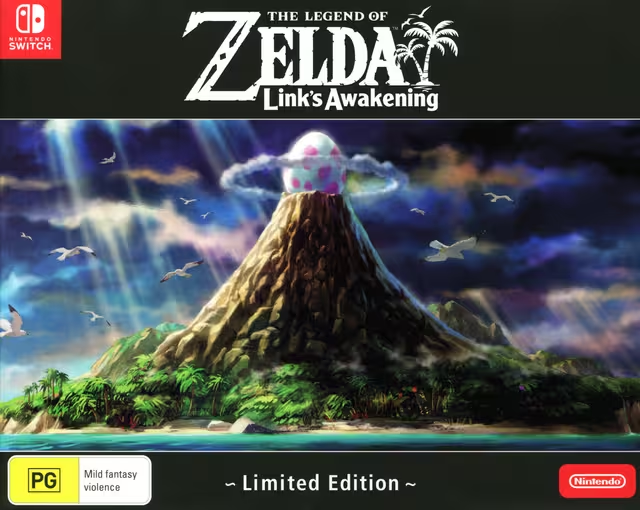 The Legend of Zelda: Links Awakening (Limited Edition)HAC-R-AR3NA-AUS
 -
 The Legend of Zelda: Skyward SwordRVL-SOUP-EUR-B0
 -
 The Legend of Zelda: Tears of the Kingdom (Collector's Edition)HAC-R-AXN7A-AUS