Sengoku Turb
-
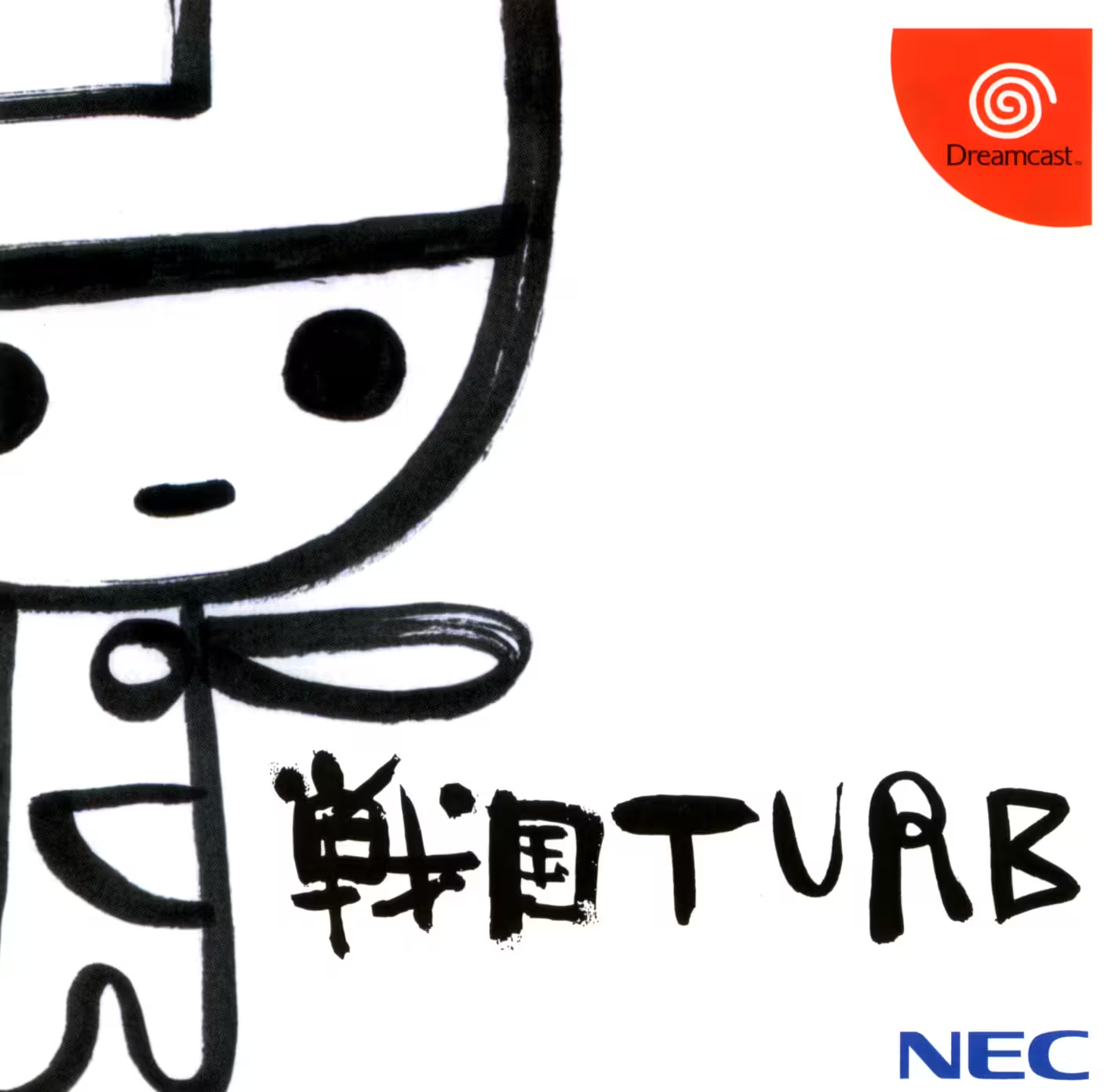
 Front Cover
-
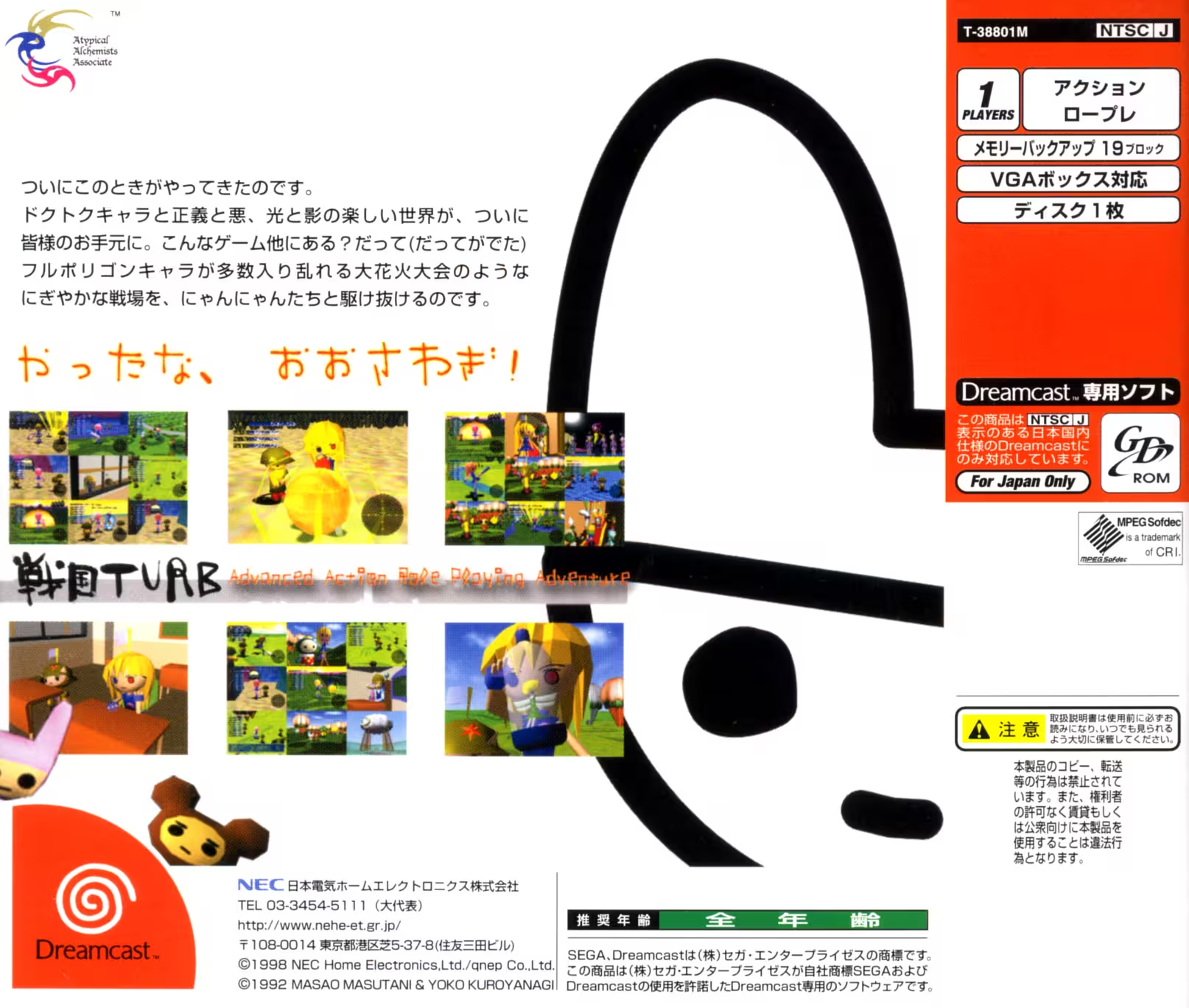
 Back Cover
Un action-RPG surreale che immerge i giocatori in una guerra tra gatti e pecore su un pianeta lontano, fondendo combattimenti campali semplificati, un umorismo stravagante, grafiche low-poly e un character design ispirato ai Tamagotchi.
Descrizione
Sengoku Turb rappresenta una delle bizzarrie più affascinanti dell’era iniziale di Dreamcast; si tratta di un remake 3D di un titolo shareware per PC-98, originariamente concepito dal gruppo doujin Bio_100%. L’avventura si dipana sul pianeta Raiyon, teatro di un conflitto perenne tra tribù di felini e ovini. Il giocatore interpreta Jino, una giovane che, precipitata in questo mondo, sceglie di allearsi con i gatti per arginare la minaccia delle pecore. La cifra stilistica è volutamente grezza: i personaggi sono composti da poligoni massicci, le ambientazioni riciclano texture elementari e i dialoghi sono resi tramite un farfugliare incomprensibile. Questo approccio visivo, unito al character design di Yoko Kuroyanagi (celebre per i Tamagotchi), conferisce all’opera un fascino infantile e abbozzato, che stride in modo surreale con il tono tagliente e paradossale della narrazione.
Le dinamiche di gioco si sviluppano su vasti campi di battaglia, dove il giocatore combatte al fianco di soldati felini gestiti dall’IA. Il sistema di combattimento è lineare—tagliare, affettare e colpire finché il gregge nemico non è annientato—ma arricchito da armi eccentriche come coni gelato, tamburelli e vessilli indossati sul capo. È possibile catturare animali, come orsi e conigli, tentando di convertirli in gatti per rinfoltire le proprie fila, generando spesso alleati deformi ma innegabilmente affettuosi. Le fate che potenziano le statistiche, note come “tainyan”, vengono consumate invece di essere reclutate, parodiando apertamente le convenzioni del genere RPG. Il risultato è un titolo che oscilla tra la satira dei giochi di massa in stile musou e quella dei fantasy tradizionali, lasciando costantemente nel dubbio se la sua goffaggine sia ricercata o fortuita.
Nonostante la ruvidità tecnica, Sengoku Turb si è guadagnato lo status di rarità di culto. Si distingue per un’eccentricità pura, capace di apparire come un giocattolo incompleto e di giocarsi come uno spogliato Dynasty Warriors, conquistando però con il suo umorismo fuori dagli schemi e una stravaganza che non chiede scusa. È senza dubbio l’elemento che mi ha catturato all’epoca: lo spirito sperimentale della scena indipendente giapponese di fine anni ’90 che si scontra con la potenza tecnologica della console Sega di allora.
Scheda Tecnica
| Nome Oggetto |
|
|---|---|
| Nome Originale |
|
| Codice Oggetto |
|
| Codice a Barre (EAN/UPC) |
|
| Tipologia | |
| Genere | |
| Tema | |
| Caratteristiche | |
| Regione | |
| Territorio | |
| Confezione | |
| Manuale | |
| Sviluppatore | |
| Editore | |
| Supporto | |
| Giocatori | |
| Periferiche | |
| Modalità Video | |
| Classificazione | |
| Prezzo di Lancio |
|
| Data di Uscita | |
| Data di Aggiunta |
|
Prodotti Correlati
-
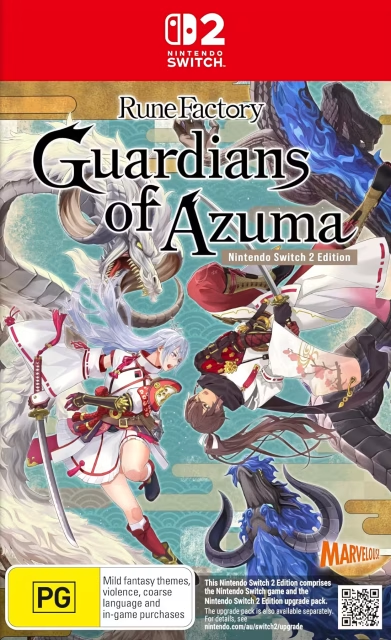 Rune Factory: Guardians of Azuma - Nintendo Switch 2 EditionNXS-BEWEG-AUS
 -
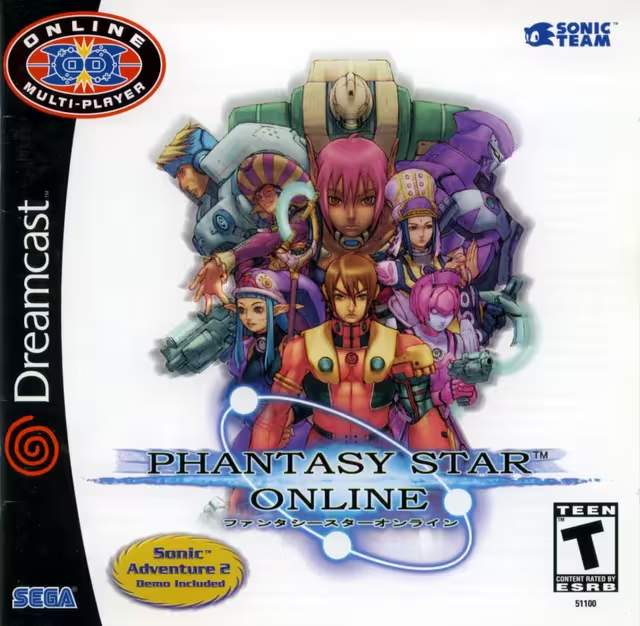 Phantasy Star Online51100
 -
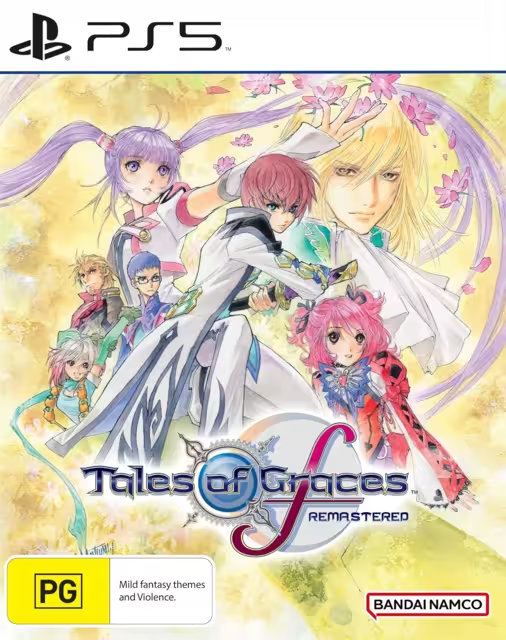 Tales of Graces f RemasteredPPSA-19990
 -
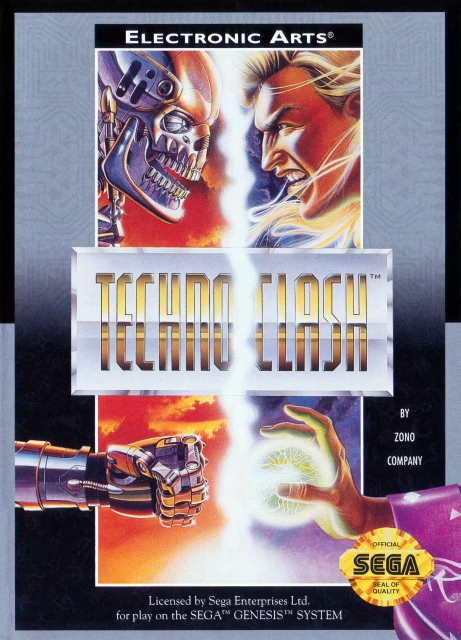 TechnoClash712701
 -
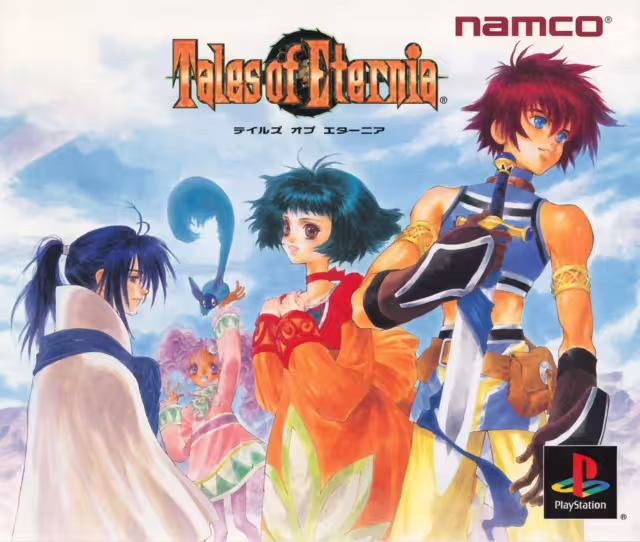 Tales of EterniaSLPS-03050~2
 -
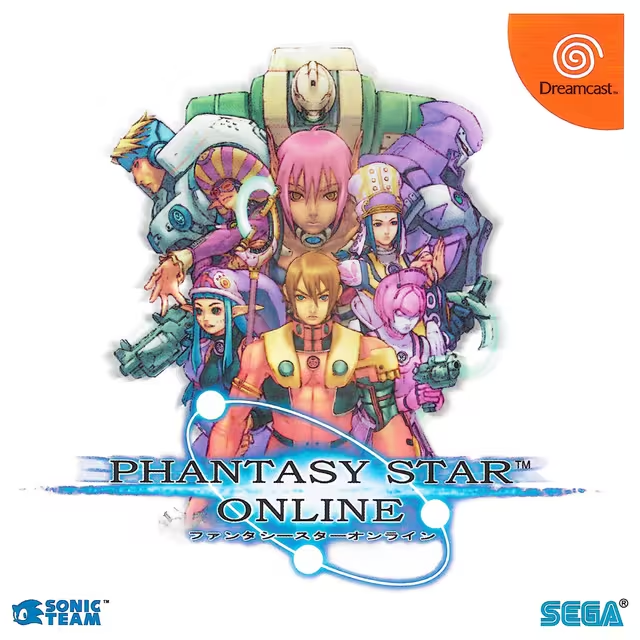 Phantasy Star Online (First Press Edition)HDR-0129
 -
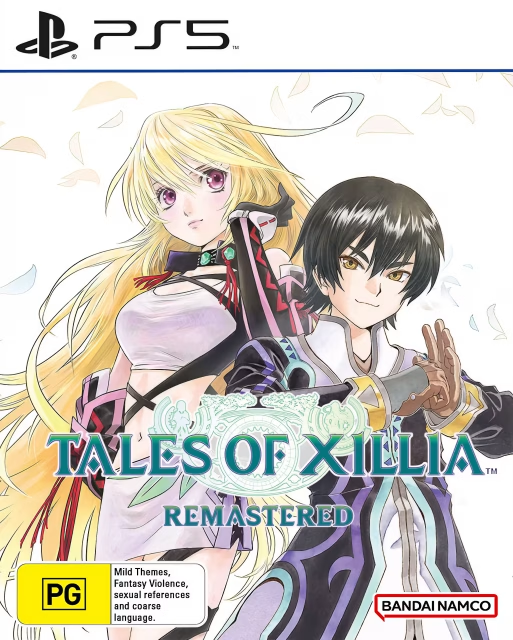 Tales of Xillia RemasteredPPSA-16952
 -
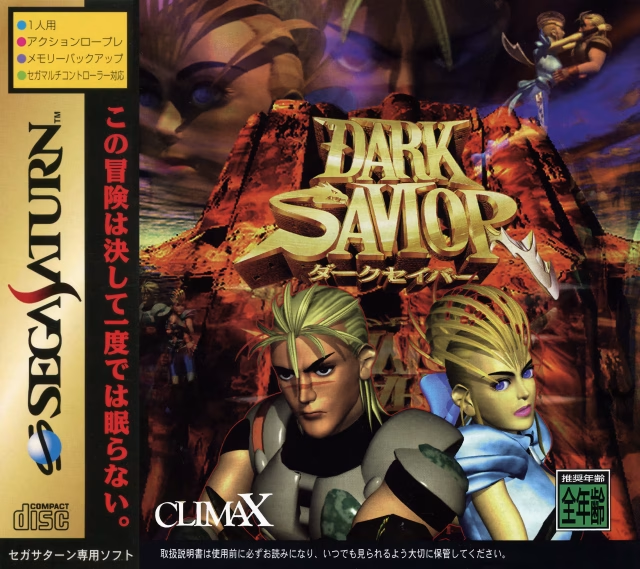 Dark SaviorT-22101G