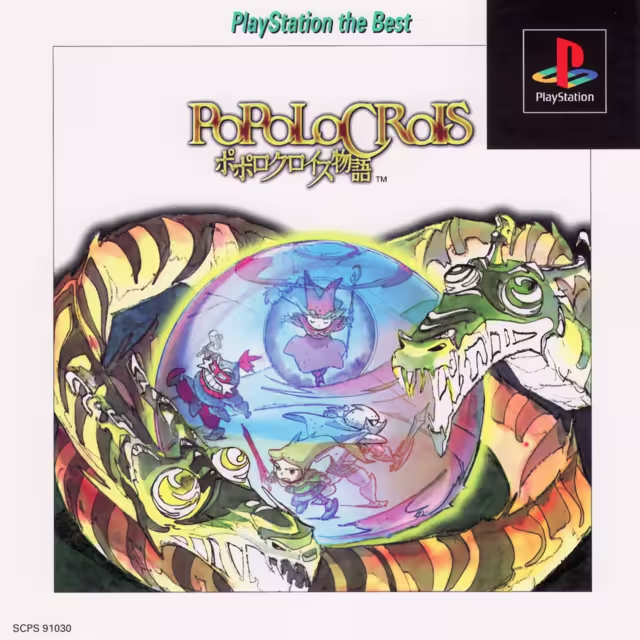
PoPoLoCrois Monogatari (PlayStation the Best)
SCPS-91030
Video Game Collection


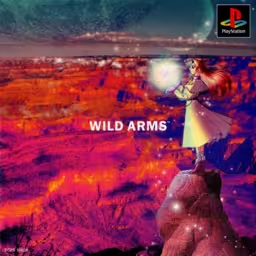 Front Cover
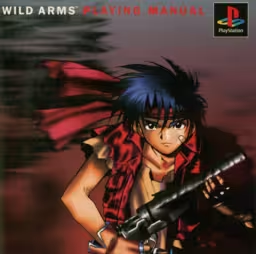 Instruction Manual
A fantasy RPG adventure that blends western frontier aesthetics with traditional turn based strategy. Showcased the technical transition between two dimensional environments and three dimensional combat arenas.
Wild Arms takes place on the dying planet of Filgaia, a world characterised by vast wastelands and the remnants of a forgotten technological past. It follows three distinct protagonists known as Dream Chasers who travel the wilderness in search of ancient relics and personal purpose. These individuals are drawn together to combat the resurrection of a mechanical demon race that threatens the remaining ecological stability of the planet. Themes of environmental degradation and the burden of inherited weapons are central to the narrative. The story emphasises the contrast between the rustic lifestyle of the inhabitants and the advanced, often destructive, nature of excavated technologies like the titular weaponry.
Players navigate a world map and intricate dungeons rendered in colourful two dimensional sprites before transitioning to polygonal three dimensional models during combat. Each character possesses unique field tools such as bombs or a grappling hook that are used to solve environmental puzzles and bypass physical obstacles. The battle system utilises a force bar that fills as characters take actions, allowing them to trigger powerful special abilities and summon elemental spirits known as Guardians. Combat mechanics vary between the party members as one relies on finite ammunition for ballistic weapons while another learns magical spells by inscribing crest graphs at specialised shops. It stands as a contemporary to other early thirty two bit role playing titles and is often compared with the works of the Final Fantasy series for its cinematic approach to turn based encounters.
Critics at the time of release praised the game for its distinctive musical score which drew heavily from the style of spaghetti western cinema. Some reviewers noted that the shift from detailed sprite work to early polygonal battles was a bold visual choice that highlighted the capabilities of the PlayStation. The fast pace of the combat and the clever design of the tool based puzzles were frequently highlighted features. Retrospectively its a polished execution of genre tropes with a memorable opening animation sequence. The title remains a definitive example of the mid nineties transition in Japanese game development and particularly RPGs.
| Item Name |
|
|---|---|
| Original Name |
|
| Item Code |
|
| Item Number |
|
| Type | |
| Genre | |
| Region | |
| Territory | |
| Packaging | |
| Documentation | |
| Developer | |
| Publisher | |
| Media | |
| Players | |
| Peripherals | |
| Launch Price |
|
| Release Date | |
| Date Added |
|
| External Links |
|