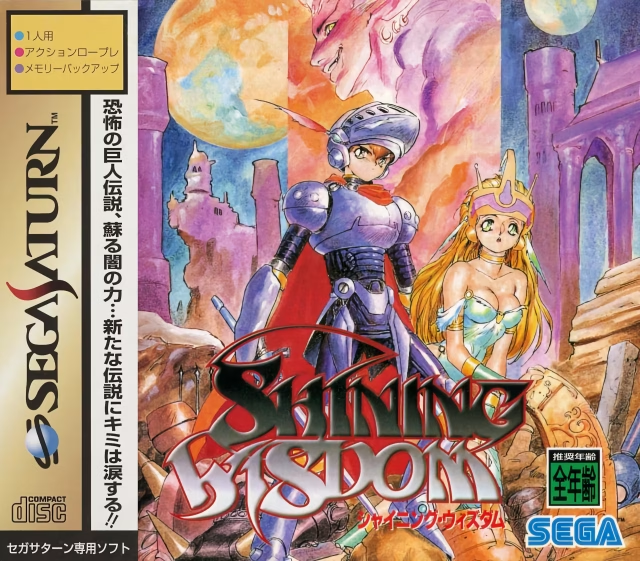
Shining Wisdom
GS-9057
Video Game Collection

A content-complete version of the GameCube RPG masterpiece. While it sacrifices the raw performance due to the inferior PS2 hardware, it offers a deeper narrative and mechanical experience through its expanded artes, costumes, and cinematics.
Tales of Symphonia on the PlayStation is an expanded albeit technically inferior port, designed to anchor a massive end-of-year marketing blitz for Namco in 2004. It arrived on Japanese shelves in late-September, acting as the primary hype-builder for the series’ 10th Anniversary title, Tales of Rebirth, which followed less than three months later. This rapid-fire release schedule was part of a concerted effort to migrate the expanding Tales fanbase from the GameCube back to the PlayStation 2,. By offering a content-complete version of a proven hit just before the launch of a brand-new entry, Namco successfully solidified the brand’s momentum during one of its most prolific eras.
The transition from GameCube to PlayStation 2 involved a significant technical trade-off that remains a point of debate. To accommodate the PS2’s hardware architecture, the frame rate was capped at 30fps, a reduction from the GameCube’s fluid 60fps. However, Namco compensated for this performance dip with an extensive array of mechanical and aesthetic additions. The PS2 version introduces new Mystic Artes (Hi-Ougis) for the entire party, including moves that were previously boss-exclusive. It also features additional costumes, side quests, and the inclusion of a fully playable casino in Altamira. Several new animated cutscenes by Production I.G were added to flesh out the narrative. The “Skit” system was also refined, with character portraits now featuring movement and expressions to better emphasise the dialogue. The game features a new opening theme song, “Soshite Boku ni Dekiru Koto” by day after tomorrow, replacing the GameCube’s Starry Heavens. Despite optimisations, unsurprisingly the PS2’s load times were longer than the GameCube. This trade-off was seen as acceptable for the domestic audience. The inclusion of new opening music by day after tomorrow and the fully playable casino in Altamira further distinguished this release as the definitive version for lore enthusiasts, effectively setting the stage for the darker, more politically charged themes that players would encounter in Rebirth later that winter.
Early print copies of Symphonia on PS2 were frequently marketed alongside Rebirth in Japanese retailers, often appearing together in promotional pamphlets and 10th Anniversary branding. This era marked the birth of Team Symphonia and “Team Destiny” as distinct development entities within Namco, and the 2004 cycle was the first time fans truly felt the weight of the franchise’s annual presence. The PS2 version of Symphonia isn’t just a port; it was a major point for the series that bridged the gap between the experimental 3D foundation of the GameCube and the refined, content-heavy standard that would carry the franchise through the next two hardware generations.
| Item Name |
|
|---|---|
| Original Name |
|
| Item Code |
|
| Item Number |
|
| Series | |
| Type | |
| Genre | |
| Region | |
| Territory | |
| Packaging | |
| Documentation | |
| Developer | |
| Publisher | |
| Media | |
| Players | |
| Peripherals | |
| Classification | |
| Launch Price |
|
| Release Date | |
| Date Added |
|