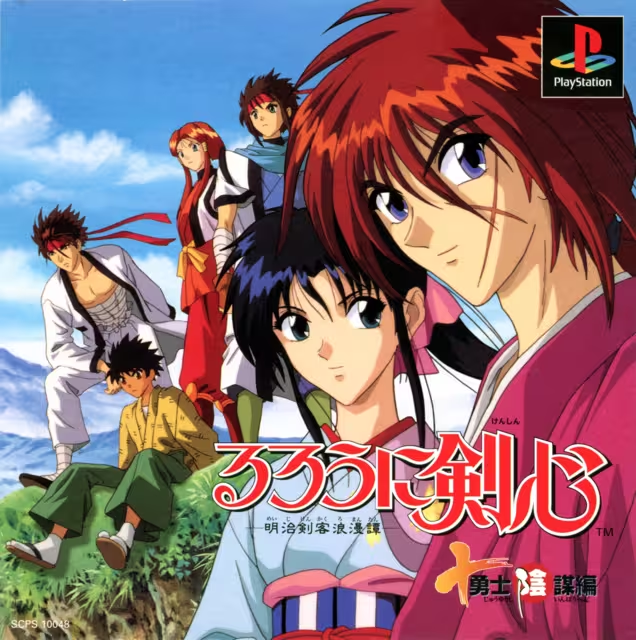
Rurōni Kenshin: Meiji Kenkaku Romantan – Jūyūshi Inbō Hen
SCPS-10048
Video Game Collection

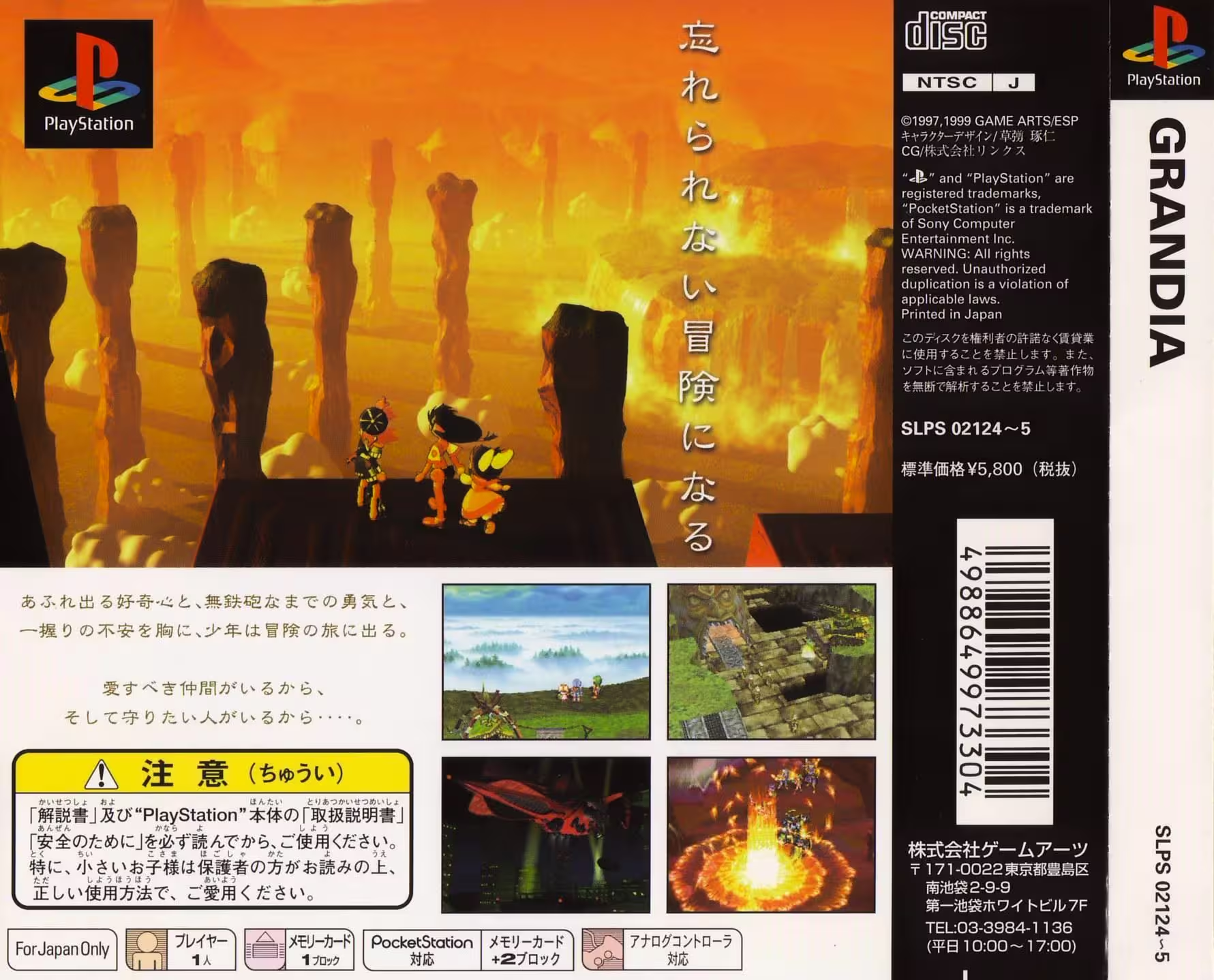
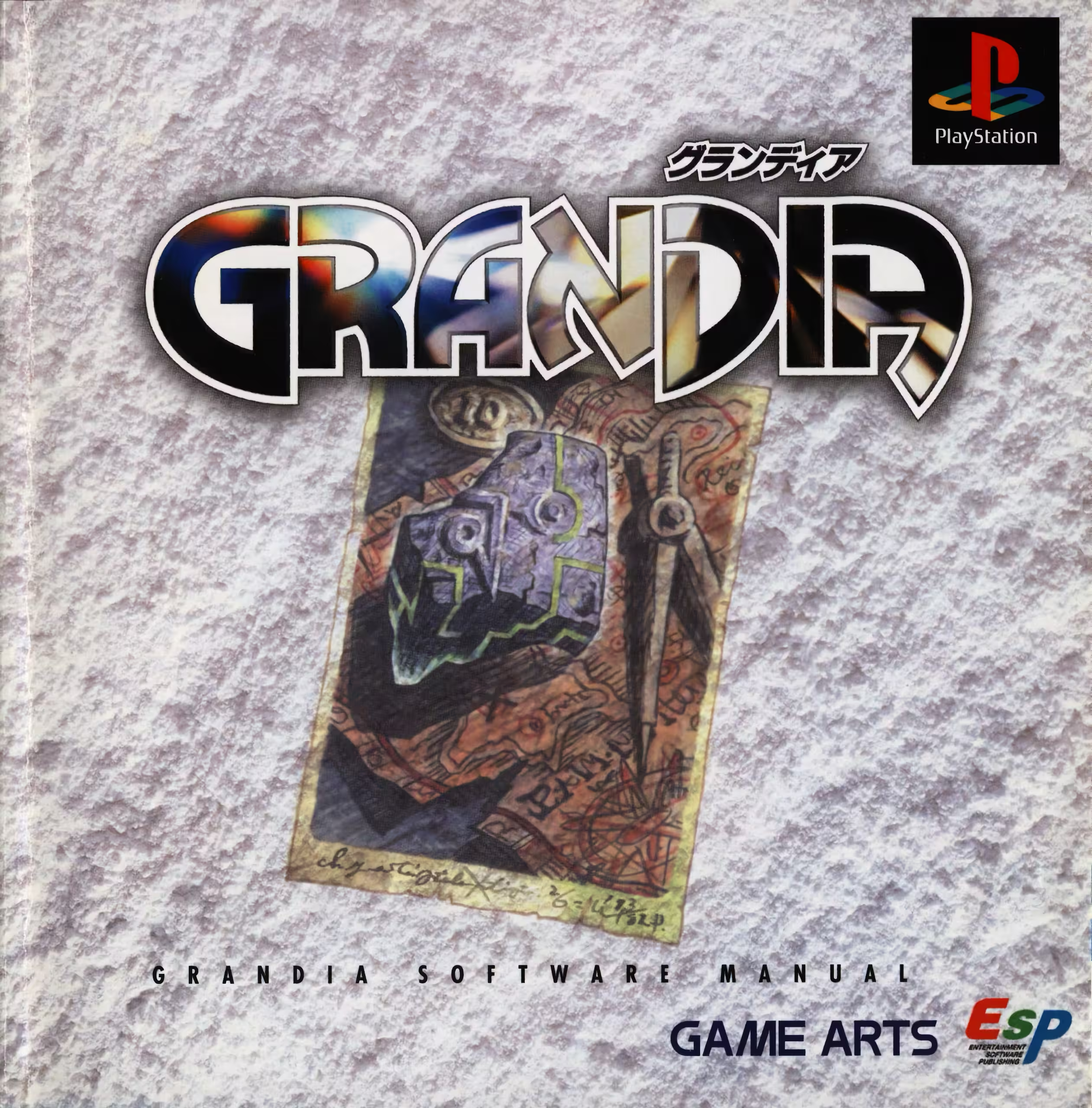
 Front Cover
 Back Cover
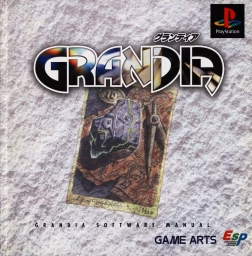 Instruction Manual
A refined Japanese port of a Saturn legend. While it lacks some of the visual fidelity of the original, it added modern features like vibration and PocketStation support, ensuring its legacy as one of the most beloved adventure RPGs on the hardware.
Grandia for the PlayStation is a port of the 1997 Sega Saturn original, bringing the title to the hardware nearly eighteen months after its initial Japanese debut. The game is a foundational 32-bit RPG that focuses on an optimistic, adventure-driven narrative centred on the protagonist Justin and the mystery of the lost Angelou civilisation. It is most notable for its Initiative Point (IP) battle system, which utilises a dynamic timeline bar to determine turn order and allows for the strategic interruption of enemy actions.
The Saturn and PlayStation handled 3D environments and 2D sprites very differently. The Saturn original used specialised VDP1 and VDP2 graphic chips for complex dual-layer 2D/3D rendering. This approach was ideal for this technology and style of the era (think Final Fantasy VII) if it wasn’t for the architecture’s complexity, Grandia is one of a minority of titles that made the most of the Saturn. Consequently the transition to the PlayStation required an overhaul of the rendering engine to accommodate the differing GPU architectures. Rendering via the PS1 GPU resulted in the use of dithering for transparencies and a noticeable reduction in ground texture stability, a lower frame rate, reduced background textures, and altered visual effects. However the PlayStation release did feature optimised battle loading transitions and an increased bitrate for Full Motion Video (FMV) sequences. Additionally it added integrated support for the DualShock controller’s vibration feedback during combat and cinematics, and support for the PocketStation peripheral through a downloadable mini-game titled Justin’s Adventure (ジャスティンの冒険). This text-based mini-game allows players to earn experience and items on the portable device which can then be synchronized with the main save data on the console.
The PlayStation port of Grandia was widely embraced as a masterpiece RPG, though critics and players alike were acutely aware of its technical compromises. While Famitsu awarded it a strong 32/40, praising its timeless coming-of-age story, phenomenal soundtrack, and innovative timeline-based combat. But reviewers couldn’t ignore the choppy frame rates and missing graphical effects lost in the hardware transition from the Saturn. Commercially, it enjoyed a highly successful second life, matching the Saturn original’s sales with around 350,000 copies sold to a new audience eager to finally play the legendary title. Despite arriving in the summer of 1999 when it was visually overshadowed by newer cinematic juggernauts like Final Fantasy VIII, it cemented its legacy in Japan as a fantastic and accessible way to play a classic, even if the Saturn original remained the definitive experience for true fans.
| Item Name |
|
|---|---|
| Original Name |
|
| Item Code |
|
| Item Number |
|
| Series | |
| Type | |
| Genre | |
| Region | |
| Territory | |
| Packaging | |
| Documentation | |
| Developer | |
| Publisher | |
| Media | |
| Players | |
| Peripherals | |
| Launch Price |
|
| Release Date | |
| Date Added |
|
| External Links |
|