PlayStation Mouse
プレイステーション マウス
A specialised input peripheral designed to bridge the gap between PC-centric genres and the burgeoning 32-bit console market. It would be an important tool for navigating the wave of the mid-90s multimedia titles, while providing a level of precision for point-and-click adventures and strategy titles that the standard digital controller could not replicate.
Bundled in Set
Description
The PlayStation Mouse (SCPH-1030) was a day-one launch peripheral for the console in Japan, a strategic decision positioning it as not merely as a successor to 16-bit “toy” consoles, but as a sophisticated multimedia machine capable of handling complex software traditionally reserved for high-end PCs. In the mid-90s, as titles like Myst, Lemmings, and Discworld migrated to consoles, the mouse became an essential accessory for players seeking the authentic experience at home. Internationally, the peripheral was later marketed as an affordable alternative for gamers who wanted to play PC-style RTS games like Command & Conquer: Red Alert.
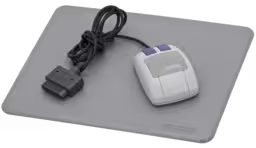
The SCPH-1030 is a standard mechanical ball mouse featuring two primary buttons and no scroll wheel, a design reflective of the era. This made it similar to the SNES’s Mouse, both comparably inferior to the Saturn’s 3-button Shuttle Mouse. The mouse utilises the standard PlayStation controller port and was notably compatible with over 170 titles. Its functionality is software-dependent; most games require the mouse to be plugged into Port 1 to be recognised. Some of the most distinctive implementations of the mouse were found in the A-Train series and various desktop-style utilities like Music Pro or RPG Maker. The peripheral was also compatible with several first-person shooters and light gun games (such as Area 51 and Die Hard Trilogy) as a high-precision alternative to the D-pad, though it lacked the tactile feedback of the specialised GunCon hardware.
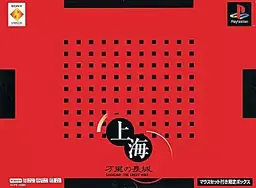
The PlayStation Mouse is interesting for showing how consoles moved towards analogue inputs before the standardisation of analog gamepads. The mouse would be bundled with a hard-plastic mousepad, which features the classic four colour PlayStation logo and a textured surface. Later, several titles in Japan would be released with the mouse bundled, which included different mousepad designs related to the title. For those maintaining a hardware-accurate library, the mouse is indispensable for experiencing the mid-90s point-and-click boom as it was originally intended, standing as a physical reminder of the era when the lines between home consoles and personal computers were first beginning to blur.
Datasheet
| Item Name |
|
|---|---|
| Original Name |
|
| Item Code |
|
| Item Number |
|
| Type | |
| Class | |
| Territory | |
| Packaging | |
| Documentation | |
| Manufacturer | |
| Launch Price |
|
| Release Date | |
| Date Added |
|