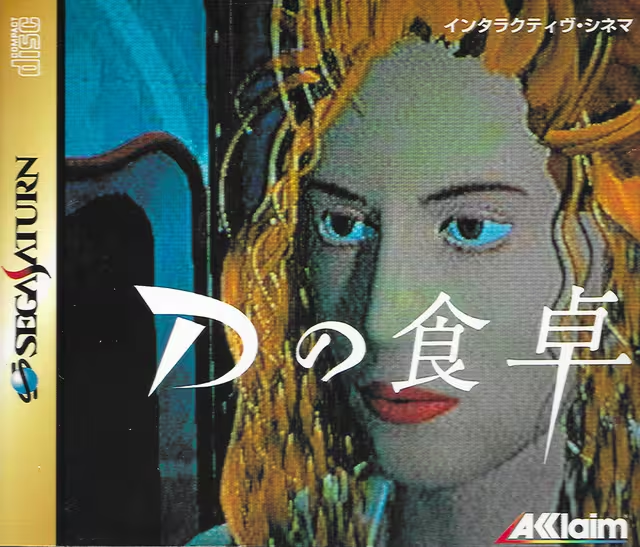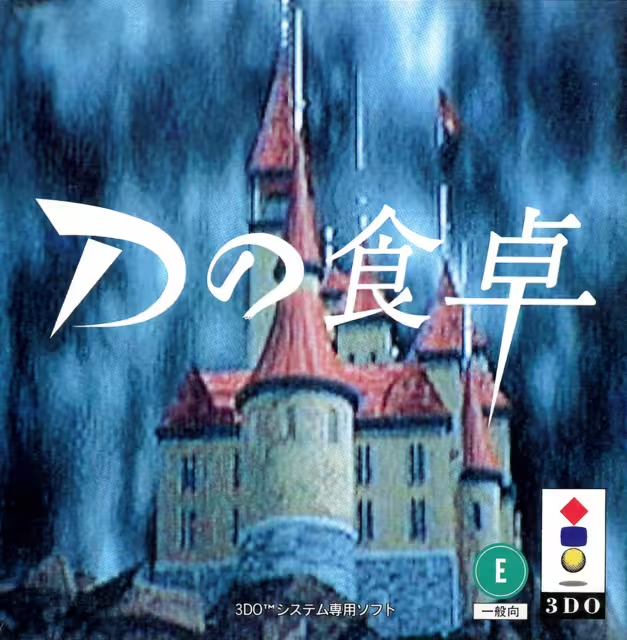
D no Shokutaku
IMP-SA0701
Videospielsammlung


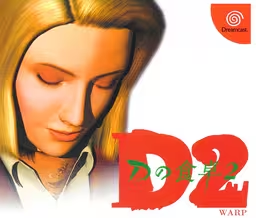 Front Cover
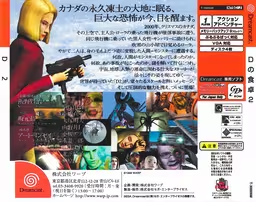 Back Cover
Ein Survival-Horror-Abenteuer, das Third-Person-Erkundung, First-Person-Untersuchungen, Schießereien, Jagd und Rollenspiel-Elemente in der kanadischen Wildnis vereint. Verteilt auf vier GD-ROMs ist dies eine exzentrische und ambitionierte Dreamcast-Produktion, geprägt von Kenji Enos cineastischer Regie und der bewussten Missachtung konventioneller Genre-Grenzen. Hierbei handelt es sich um die Standard-Veröffentlichung.
D no Shokutaku 2 (wörtlich: D’s Esstisch 2) folgt Laura Parton, deren Flugzeug nach einer Entführung durch Terroristen und einem Meteoriteneinschlag über dem Norden Kanadas abstürzt. Sie erwacht in einer isolierten Hütte neben der Überlebenden Kimberly Fox, ohne Erinnerung an die acht Tage nach dem Unglück, während sich die anderen Passagiere in pflanzenartige Kreaturen verwandeln. Das Mysterium weitet sich vom reinen Überlebenskampf zu einer apokalyptischen Konfrontation aus, die von Infektionen, religiöser Symbolik und einer zerstörerischen, vom Meteoriten gebrachten Macht geprägt ist. Obwohl als Nachfolger von D vermarktet, teilt es kaum mehr als die Protagonistin Laura, die hier als digitale Schauspielerin in einer völlig neuen Erzählung zurückkehrt.
Die langen filmischen Sequenzen bewegen sich zwischen Horror, Melodrama, philosophischer Reflexion und bewusster Absurdität, was der gefrorenen Landschaft eine Atmosphäre verleiht, die sich von jedem anderen Dreamcast-Titel abhebt. Laura durchquert die Schneelandschaft aus der Third-Person-Perspektive und reist zwischen Hütten und Einrichtungen, wobei zufällige Begegnungen die Erkundung durch statische First-Person-Schießereien unterbrechen. Tasteneingaben lassen sie sich den angreifenden Kreaturen zuwenden, der Analogstick steuert ihr Ziel; besiegte Gegner liefern Erfahrungspunkte, die ihre maximale Gesundheit erhöhen. Ihre Maschinenpistole verfügt über unbegrenzte Munition, während ein Jagdgewehr Tiere erlegt, deren Fleisch zur Regeneration dient. Die Untersuchung von Innenräumen nutzt feste First-Person-Perspektiven und kontextabhängige Bewegung, was das Tempo auf Beobachtung und Interaktion verlagert. Laura führt zudem eine Kamera mit sich, deren Fotos auf der VMU gespeichert und später betrachtet werden können; die ausgedehnten filmischen Zwischensequenzen machen einen beträchtlichen Teil der Spielzeit aus.
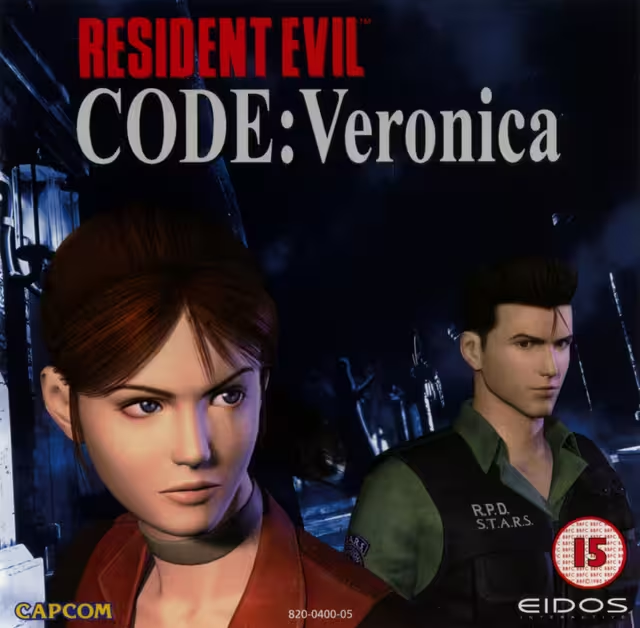
Die Entwicklung begann ursprünglich für die eingestellte 3DO M2-Hardware unter einem völlig anderen Konzept. Berichten zufolge war das Projekt bereits weit fortgeschritten, bevor Kenji Eno diese Version verwarf und für die Dreamcast neu konzipierte. Es folgt dabei der Tradition von Enemy Zero, indem Laura als wiederkehrende digitale Schauspielerin und nicht als festgeschriebene Charakterrolle eingesetzt wird. Im Vergleich zu Resident Evil Code: Veronica ist es spielmechanisch weniger diszipliniert, aber formal unberechenbarer und wechselt das Genre, wann immer die Geschichte es erfordert.
Die zeitgenössische Kritik war gespalten: Gelobt wurden Handlung, Atmosphäre, Musik, visuelle Regie und die gewagten Genre-Brüche, während das repetitive Reisen durch Schneefelder, unvermeidbarer Schaden, eine sensible Zielmechanik, Zufallskämpfe und lange Phasen ohne spielerische Relevanz kritisiert wurden. Auch wenn die Erzählung fesseln kann, erweist sich der experimentelle Ansatz beim Gameplay eher als Schwäche denn als Tiefe. In Sammlerkreisen des Kult-Horror-Genres genießt der Titel heute einen deutlich höheren Stellenwert als bei Action-Spielern zum Zeitpunkt der Veröffentlichung.
| Artikelname |
|
|---|---|
| Originalname |
|
| Artikelcode |
|
| Artikelnummer |
|
| Serie | |
| Typ | |
| Genre | |
| Thema | |
| Region | |
| Gebiet | |
| Verpackung | |
| Dokumentation | |
| Entwickler | |
| Verlag | |
| Medium | |
| Spieler | |
| Peripheriegeräte | |
| Videomodi | |
| Soundmodi | |
| Altersfreigabe | |
| Startpreis |
|
| Veröffentlichungsdatum | |
| Hinzugefügt am |
|